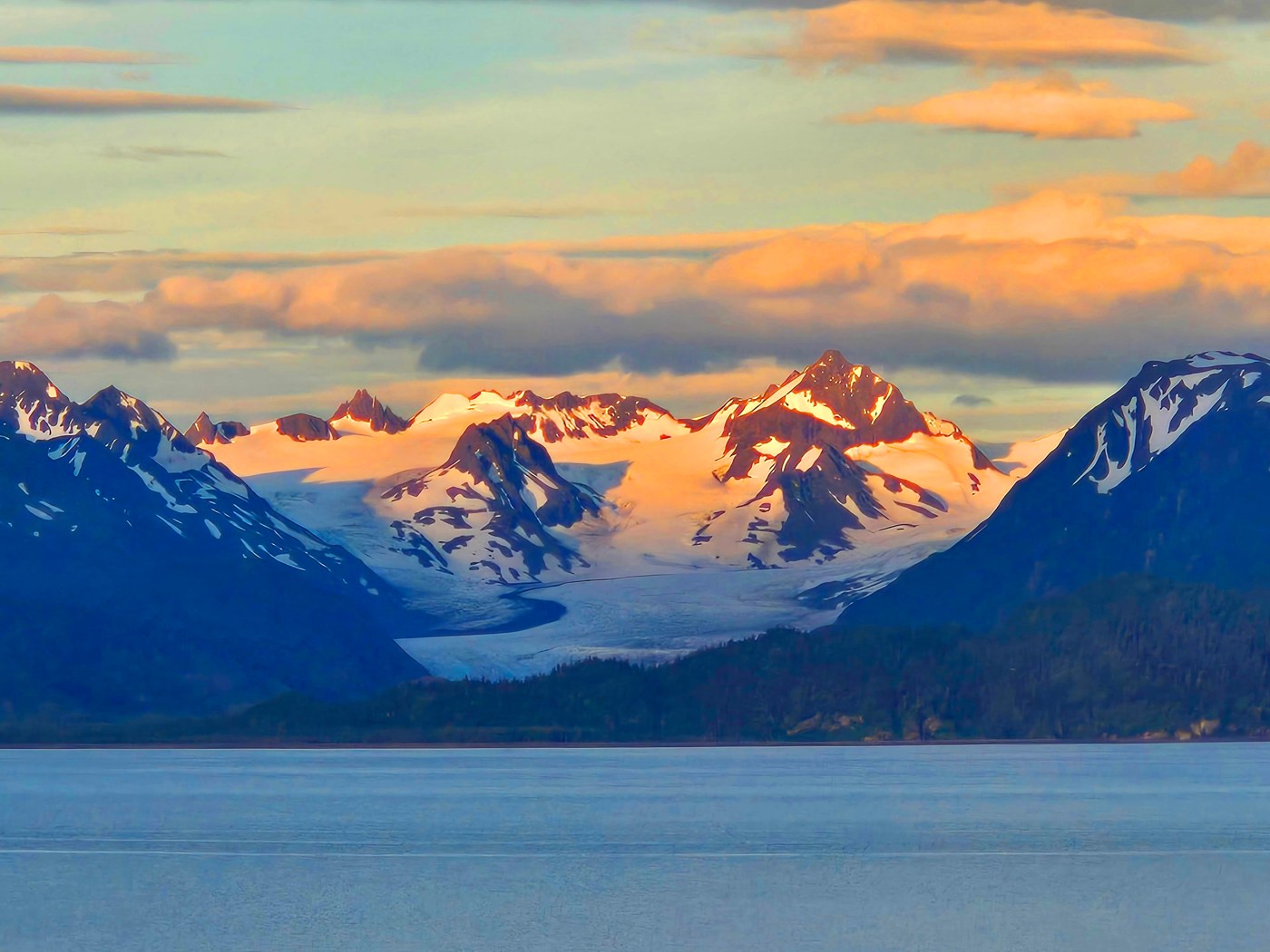
17th July through 29th July 2025.
Alaska had been on my travel wish list for a long time, and when we finally visited during the peak of summer, it turned out to be everything we imagined and more. From snow-capped mountains and massive glaciers to turquoise lakes, wildlife sightings, and endless daylight, this trip was absolutely surreal. Over ten days, we explored Alaska by road, covering Anchorage, Denali National Park, the Kenai Peninsula, Seward, and Homer, with a mix of hiking, wildlife encounters, glacier experiences, and unhurried moments in nature. Most travelers experience Alaska by cruise, but we chose a road-trip style itinerary to immerse ourselves more deeply in the wilderness and enjoy the flexibility to explore at our own pace. In this post, I’ll share our detailed itinerary, spectacular photography of the wild nature, highlights from each region, practical tips, and additional experiences you might want to consider when planning your own Alaskan adventure.
OUR ITINERARY
17th July Fly into Anchorage
19th July : Drive from anchorage to Healy. On the way stop at Talkeetna for flightseeing
20th -22nd July: Denali national park (DNP)
23rd July: Drive from Healy to Seward.
23rd– 25th: Seward and Kenai Fjords National Park
26th July : drive from Seward to Homer.
26th– 27th July : Homer and Kachemak Bay State Park
28th July: Drive back to anchorage.
29th July: fly back to the US
BEST TIME TO VISIT
Alaska is one state where if I had the choice I would visit it at least once every season. But oh well, how many of us actually have the luxury to do so, unless you are living in the state? For most travelers, the best time to visit Alaska is between late May and early September, when the weather is mild, days are long, and most attractions, roads, and tours are fully accessible. Here’s a quick breakdown:
- June to August (Peak Summer): This is the most popular time to visit Alaska. Expect the warmest temperatures, longest daylight hours, and the widest range of activities including hiking, wildlife viewing, glacier cruises, flightseeing, and national park access. Trails are snow-free, wildlife is active, and nearly everything is open. The tradeoff is higher prices and more visitors, though Alaska rarely feels crowded compared to other peak-season destinations.
- May and September (Shoulder Season): These months are ideal if you want fewer crowds and slightly lower prices. May still has lingering snow at higher elevations, while September brings fall colors and early chances of seeing the Northern Lights. However, daylight hours decrease quickly, and some tours and services begin to scale back.
- October to April (Winter): Winter is best suited for travelers interested in snow sports, dog sledding, ice caves, or aurora viewing. Many roads, attractions, and national parks have limited access during this time, making it less ideal for first-time visitors or road-trip-style itineraries.
We visited Alaska in mid to late July, and it was an exceptional time to experience the state. Temperatures throughout the trip were consistently comfortable, with daytime highs in the 60s and nighttime lows in the 50s. We experienced some rain, but it was generally light and never disruptive. In fact, it often enhanced the scenery, adding mist and drama to mountains, forests, and glaciers. One of the most unforgettable aspects of traveling in July was the extended daylight. The sun didn’t fully set until around 11:00–11:30 PM, and even then, the sky remained dusky until about 2–3 AM, with sunrise around 5 AM. This allowed for long, unhurried days filled with outdoor activities, though it did take some adjustment when it came to sleeping. Packing eye masks can be extremely helpful, especially in accommodations without blackout curtains. In terms of clothing, layers were all we needed — light jackets, rain gear, and comfortable hiking clothes. We never needed heavy winter clothing, except during flightseeing and glacier landings, where wind and exposure made it noticeably colder. Overall, July offered the perfect balance of weather, accessibility, and experiences, making it an ideal time for a road trip through Alaska.
GETTING THERE
There are several ways to experience Alaska, and the right choice depends on your travel style, interests, and how much flexibility you want during your trip. Broadly, most visitors explore Alaska in one of three ways: by cruise, by train, or by combining flights with a road trip.
Alaskan Cruises: Cruises are the most popular way to visit Alaska and are especially appealing for travelers who want a comfortable, structured experience with minimal logistical planning. Most Alaska cruises focus on the coastal regions, offering dramatic views of glaciers, fjords, and seaside towns, with the convenience of unpacking just once. For many first-time visitors, cruises provide an easy and relaxing introduction to Alaska’s scale and beauty.Alaska cruises can be booked directly through major cruise line websites. Many itineraries depart from Seattle or Vancouver and include ports in Southeast Alaska such as Juneau, Skagway, and Ketchikan. While cruises are undeniably scenic and convenient, they come with limitations. Time in each port is short, activities are tightly scheduled, and access to inland wilderness areas is restricted. If hiking, spending extended time in nature, or setting your own pace is important to you, a cruise can feel somewhat confining. For us, that lack of flexibility was the main reason we chose not to cruise.
Alaska Railroad: Another popular way to explore Alaska is by train. The Alaska Railroad connects major destinations such as Anchorage, Denali, Seward and Fairbanks and is known for its large windows and scenic routes. Traveling by train allows you to enjoy Alaska’s landscapes without the stress of driving, making it an attractive option for travelers who prefer a slower, more relaxed pace.Train tickets can be booked directly through the official website of the Alaska Railroad Corporation where you can view routes, schedules, and service classes. While the train experience is comfortable and scenic, it also has trade-offs. Schedules are fixed, travel times can be long, and once you arrive at a destination, your mobility is limited unless you arrange additional transportation. Because we wanted the freedom to stop frequently, access trailheads easily, and adjust plans day by day, the railroad didn’t align with our travel style for this trip.
Fly + Road Trip (Our Choice): We chose to explore Alaska by flying in and then traveling by road, and this approach turned out to be the perfect fit for our itinerary. Combining flights with a road trip gave us complete control over our schedule, allowed us to reach remote areas, and made it easy to adapt plans based on weather, energy levels, or interests. Traveling as a group of six across different ages, flexibility was especially important to us.For road-trip-based itineraries, the two most common entry points are Anchorage and Juneau. Juneau is a popular option for travelers focusing on Southeast Alaska and is often paired with cruise travel, but it is not connected to the rest of Alaska by road. Travel from Juneau relies on ferries, flights, or guided excursions, which limits independent exploration by car.Anchorage, on the other hand, is the most practical gateway for a road trip that includes Denali National Park, the Seward Highway, the Kenai Peninsula, Seward, and Homer. Because we wanted to experience all of these regions in one trip, flying into Anchorage made the most sense and offered the greatest flexibility.
Upon arrival at the Anchorage International Airport we rented our car through the Thrifty Hertz Corporation, and while having a car was essential for this type of trip, the pickup experience itself was one of the more challenging moments of our arrival. On the night we landed, the Thrifty/Hertz counters had the longest lines, and transactions at the counter were taking well over twenty minutes per customer. With limited staffing and several late-night flight arrivals, the wait stretched to nearly an hour and a half past 10 PM, which was exhausting after a full day of travel. It’s worth noting that this seemed specific to Thrifty/Hertz that evening, as other rental counters appeared to be moving more efficiently. If you’re renting during peak summer season, it may be helpful to check recent reviews, consider arrival timing carefully, or simply be mentally prepared for delays especially if your flight arrives late at night.
Once we had the car, however, everything else about driving in Alaska was excellent. One of the biggest and most pleasant surprises of the trip was the complete lack of traffic, even during peak summer. Despite covering long distances, driving never felt stressful, and the scenery made the journey just as memorable as the destinations themselves. Roads were quiet, well maintained, and incredibly scenic. Distances in Alaska are vast so having a comfortable vehicle made a significant difference. Overall, driving gave us unmatched flexibility and allowed us to experience Alaska at our own pace–a key reason this trip felt so immersive and rewarding.
WHERE WE STAYED
For a trip as spread out as ours, choosing the right accommodations was essential to keeping the experience comfortable and enjoyable. Traveling as a group of six and as a family, we prioritized places that offered enough bedrooms and bathrooms, along with practical amenities such a full kitchen, washer–dryer access and free parking, which make longer trips much easier.
One important thing to note when planning a summer trip to Alaska is that most accommodations do not have air conditioning. Historically, Alaska simply didn’t need it, and many homes and lodges are still built with that assumption. With warmer summers becoming more common, this can sometimes make indoor spaces feel warm, especially with long daylight hours. While we didn’t have air conditioning in any of our stays, most of the time it wasn’t a major issue, and opening windows helped significantly. That said, if air conditioning is important to you, I strongly recommend booking far in advance, as options with AC are limited and get reserved very quickly. Speaking of timing, for peak summer travel (June–August), it’s best to book accommodations at least 7–8 months in advance. We booked around six months ahead and still found that choices were already limited in several locations. Planning early gives you more flexibility in location, amenities, and overall comfort. Most of our stays were booked through Airbnb and Vrbo, which worked well for our needs throughout the trip.
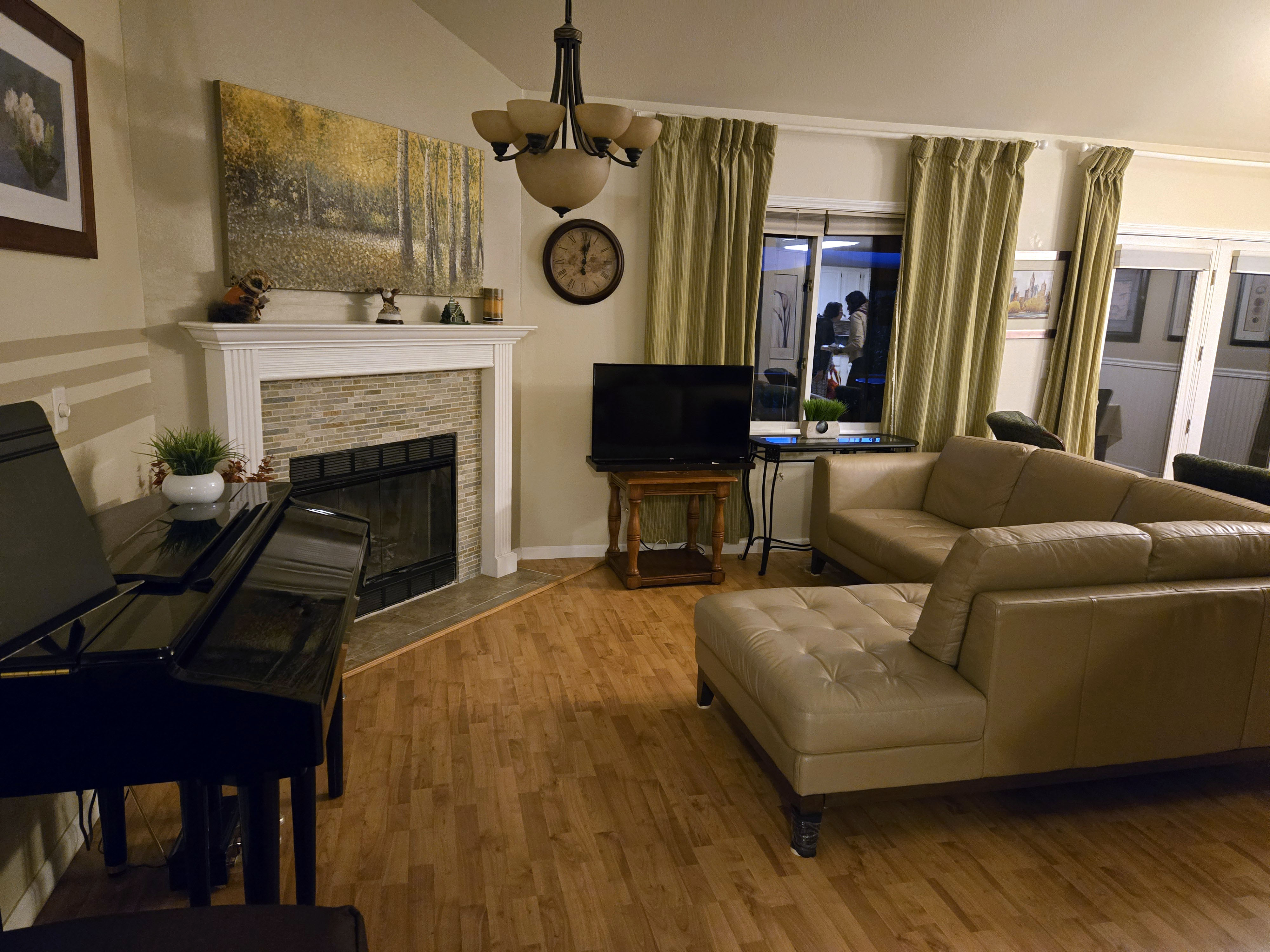
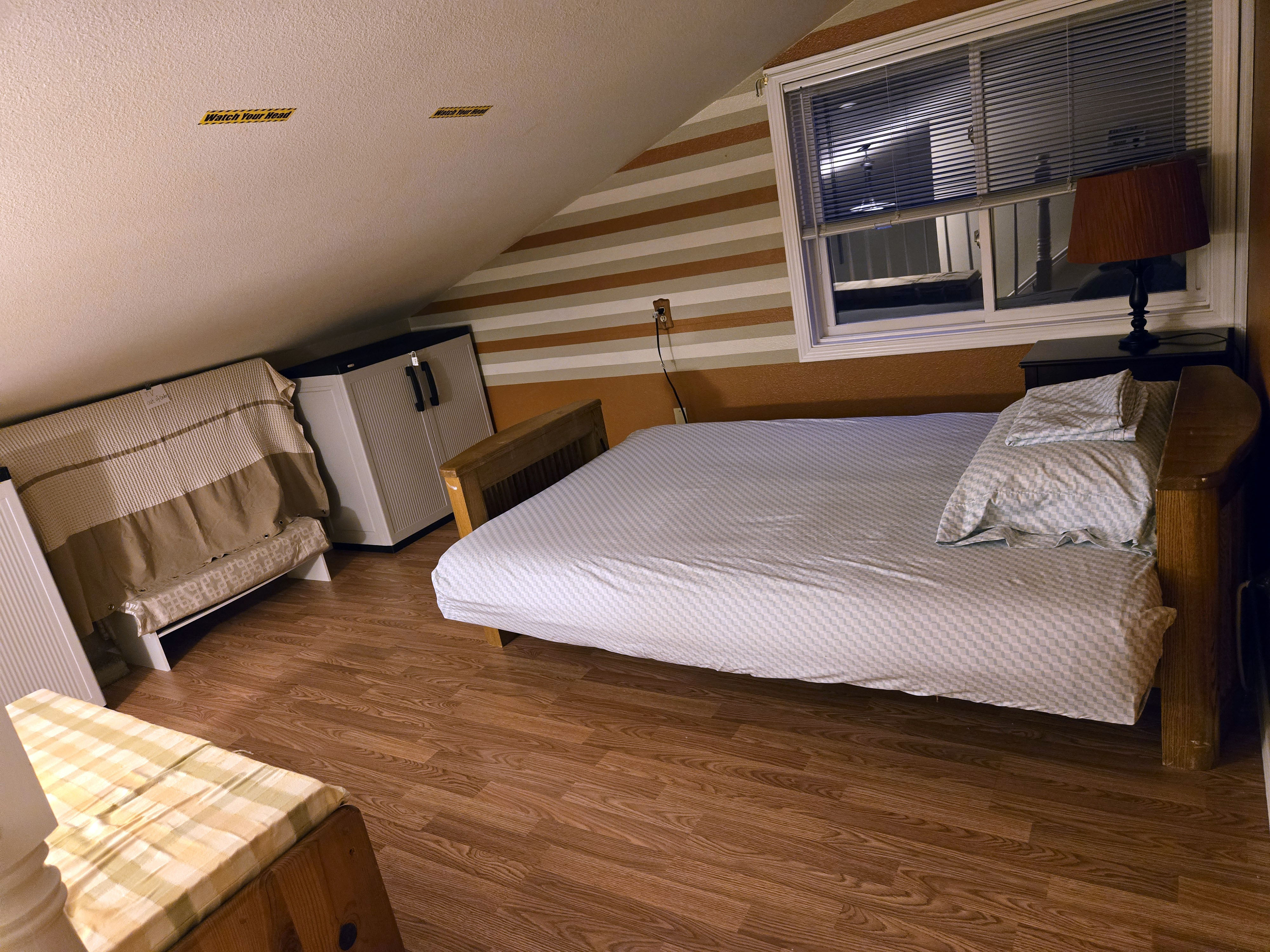
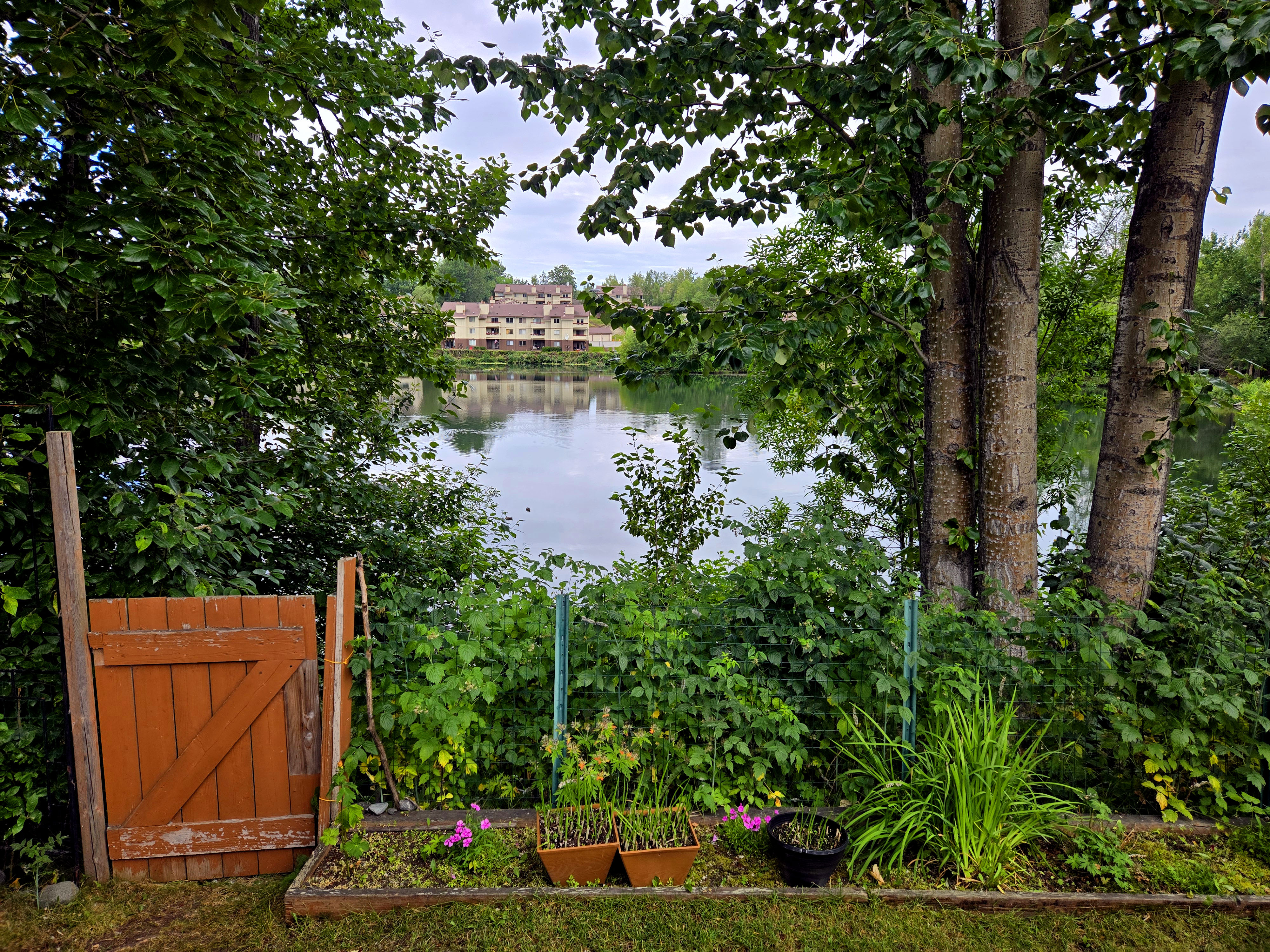
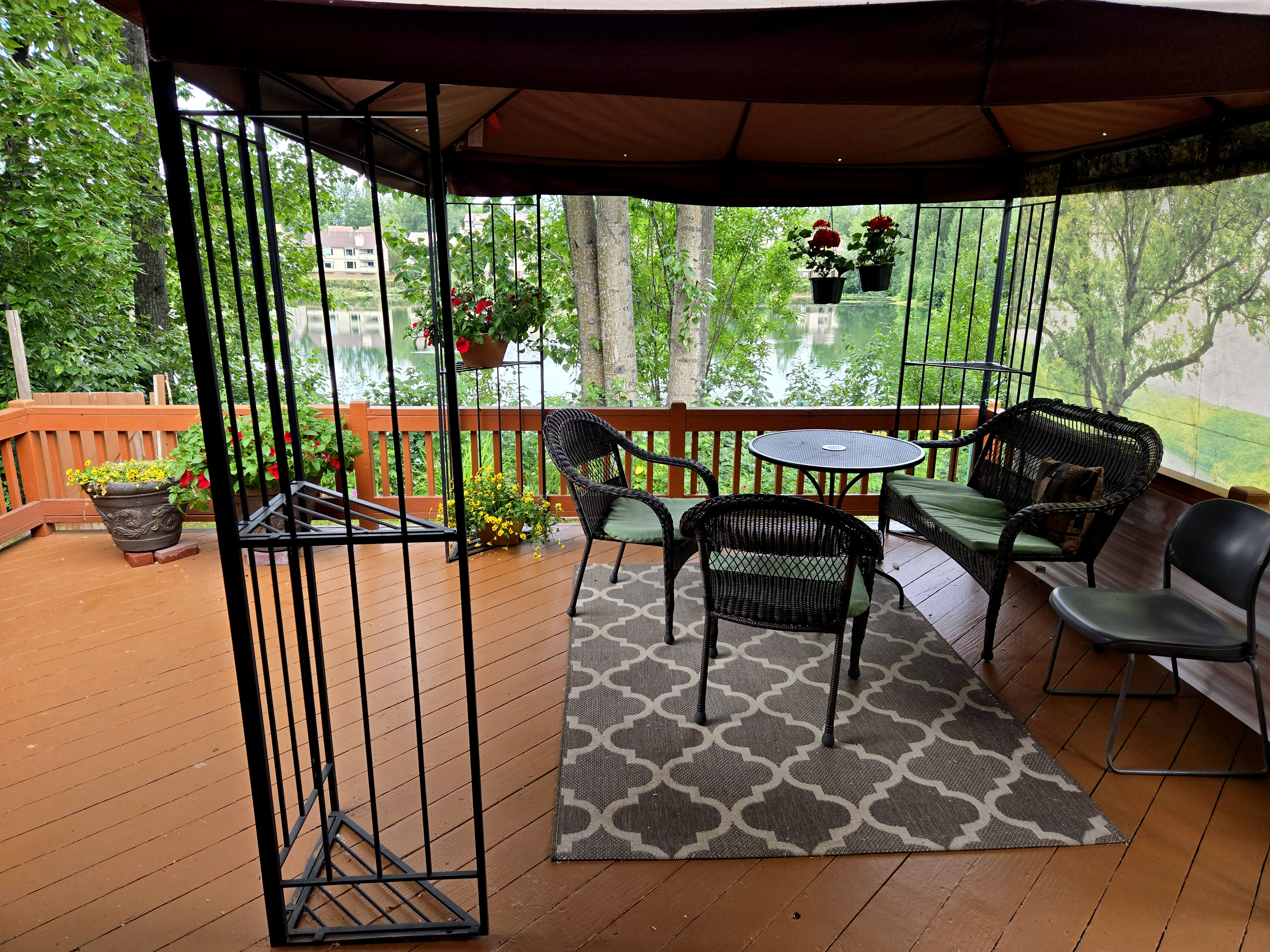
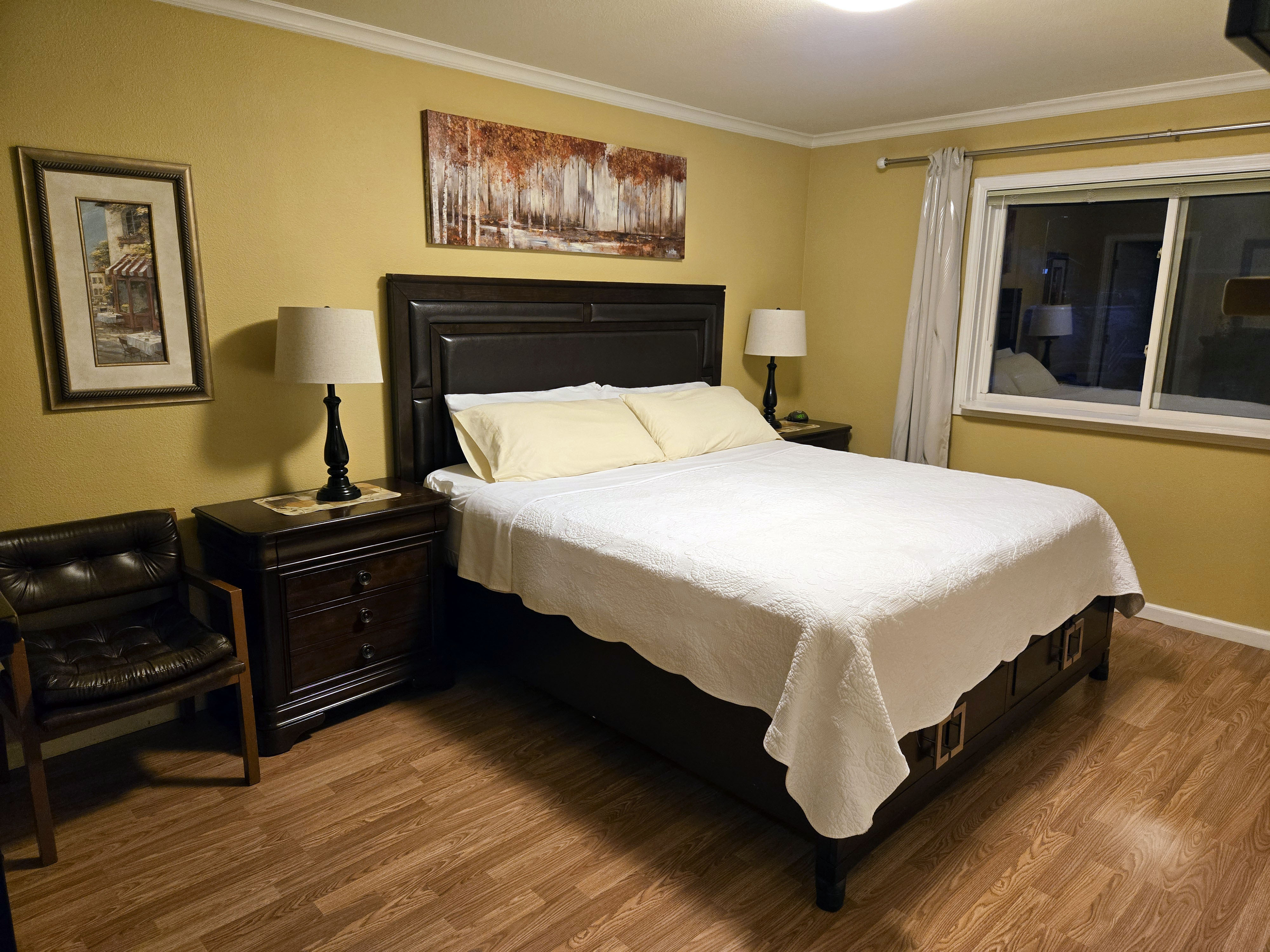
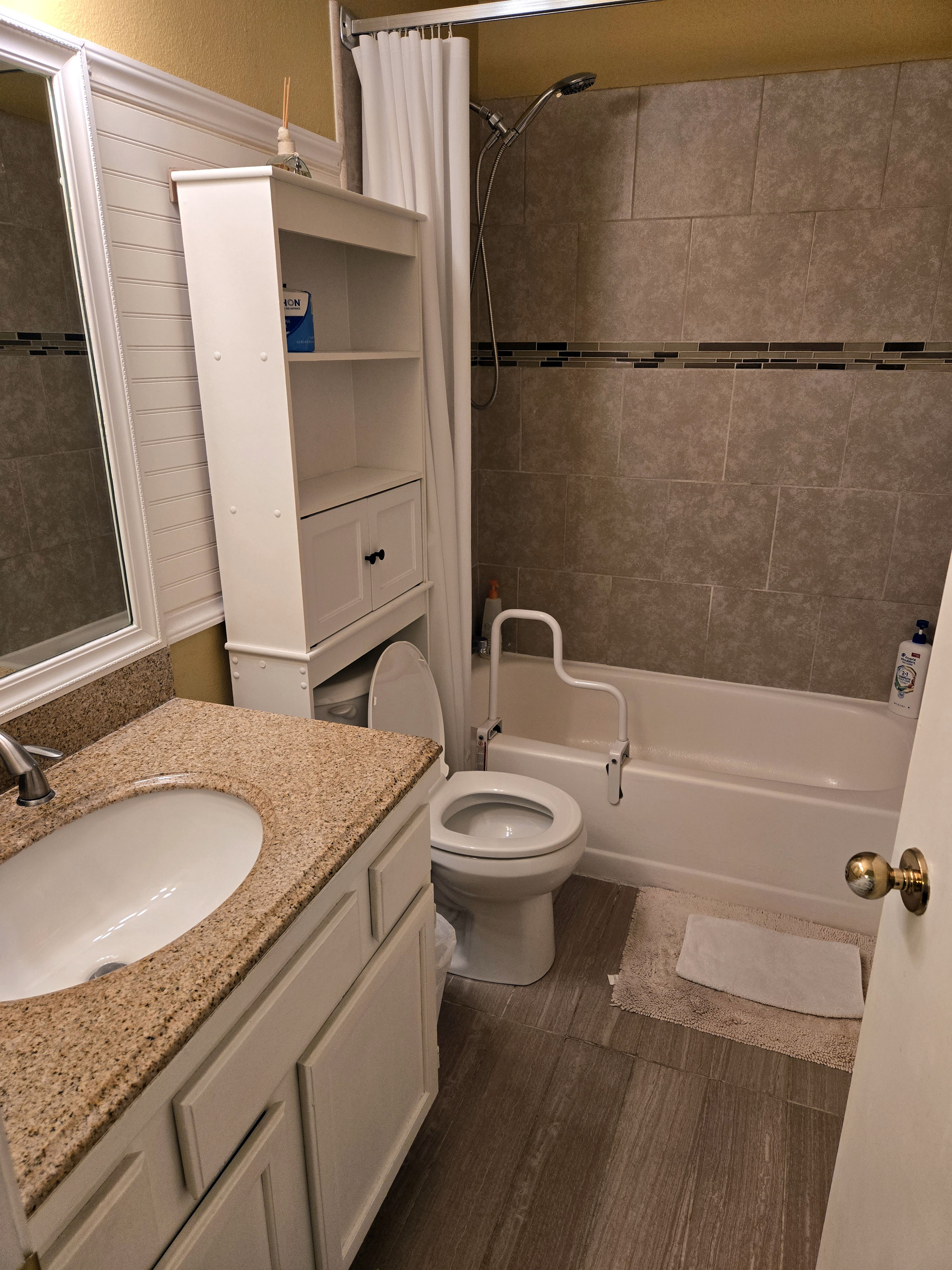
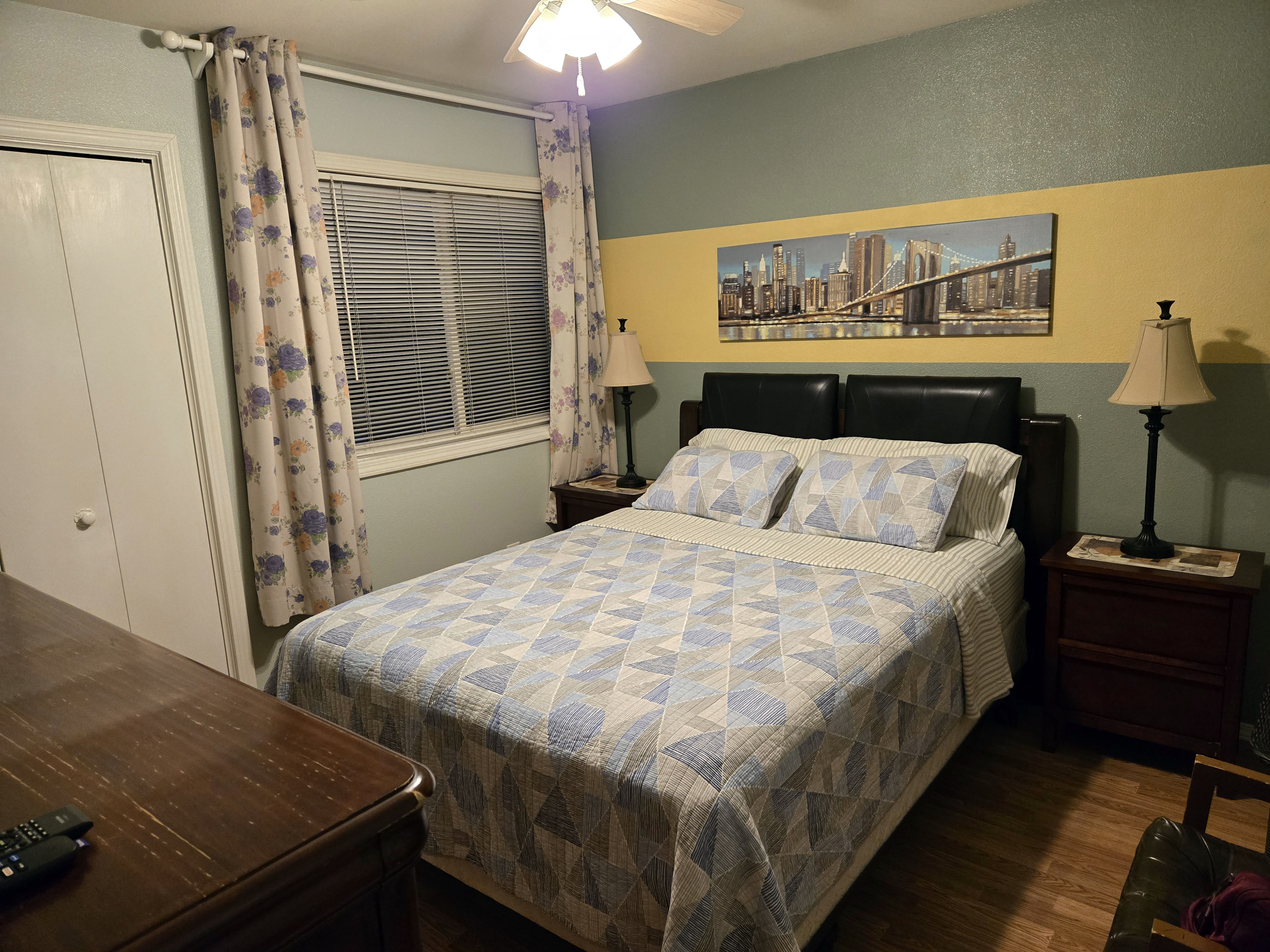
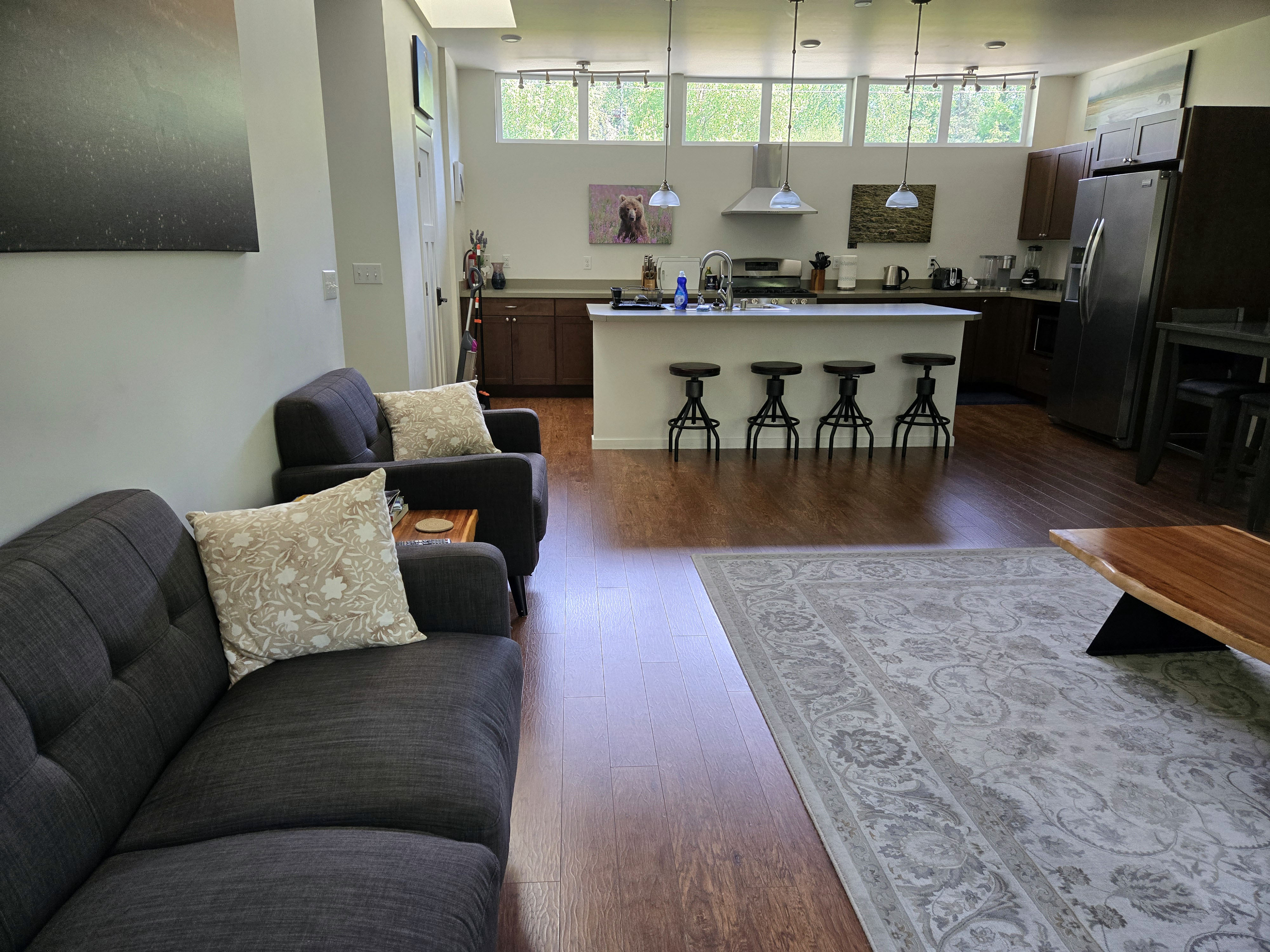
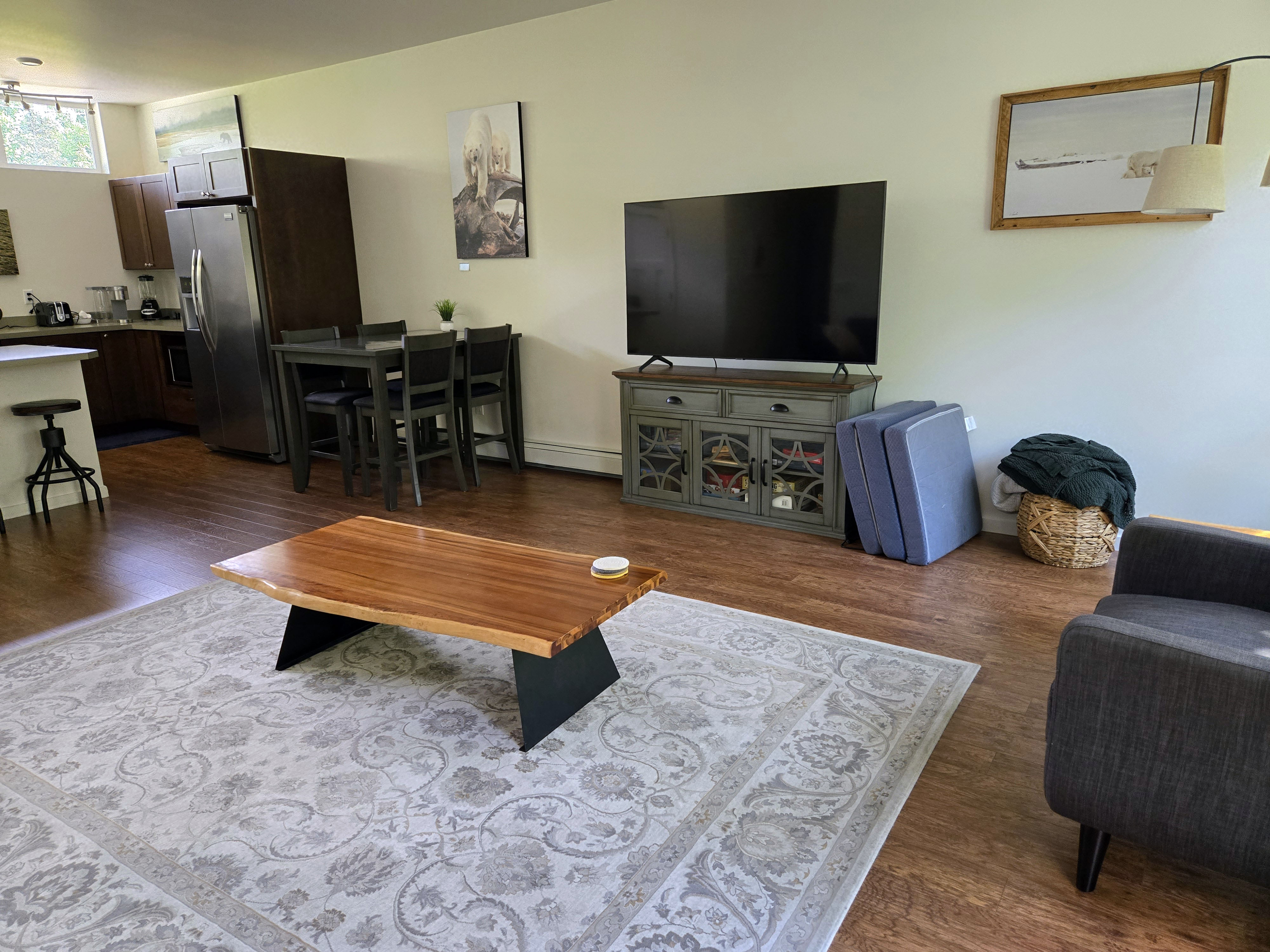
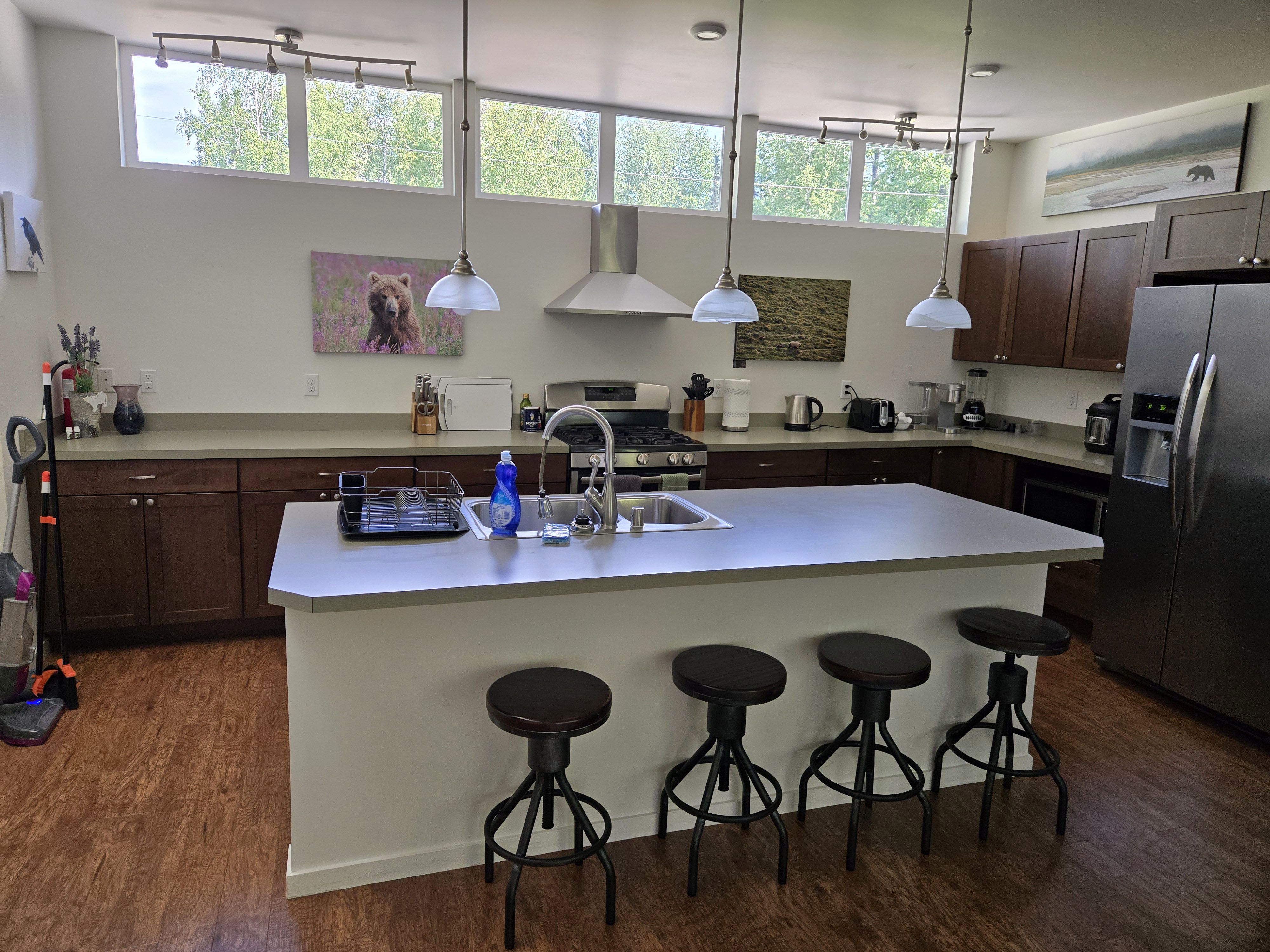
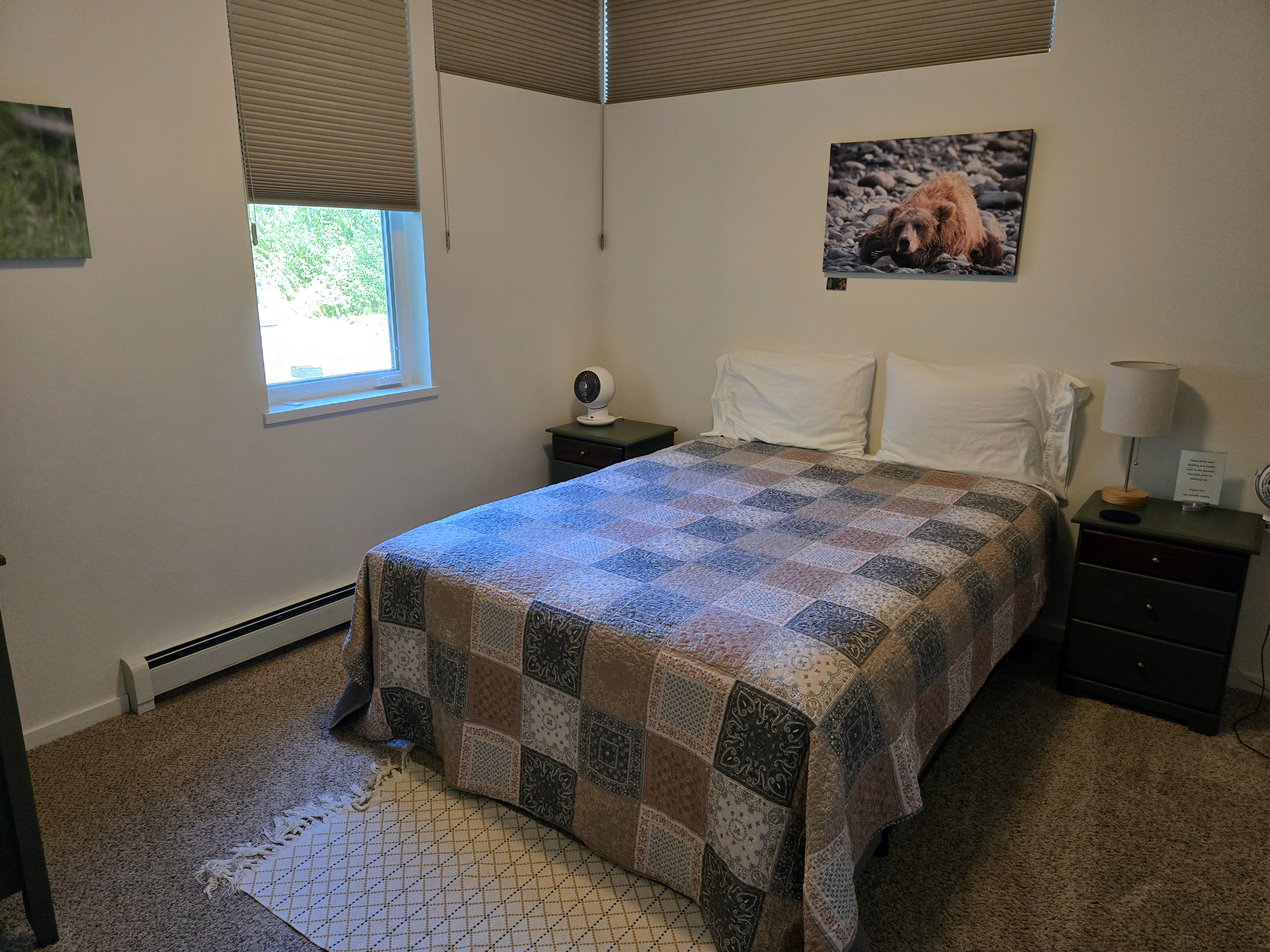
Anchorage (Two Nights): We spent two nights in Anchorage at a spacious Airbnb that worked well as a short stop after a late-night arrival. The two-story house had three separate bedrooms along with a loft that included an additional queen bed, making it suitable for a group of six. Bedrooms, bathrooms and laundry were on the top floor whereas kitchen, living and a powder room were on the first. The master bedroom was particularly spacious, with a king-sized bed and an ensuite bathroom, while the other two bedrooms had comfortable queen beds and a shared bathroom.The kitchen was functional and stocked with basic necessities, and Wi-Fi worked well. One of the nicest features of the house was the porch overlooking a small lake, where we could sit outside and hear ducks in the evening; a calm, peaceful way to wind down after a long travel day. There were a few minor drawbacks. The hot water in the showers wasn’t as hot as we would have liked, and while there was a dedicated laundry room, detergent ran low and wasn’t replenished. The living-room TV was quite small, which wouldn’t be ideal for group viewing, though this wasn’t a major issue. Overall, it was a comfortable and practical short-stay option.


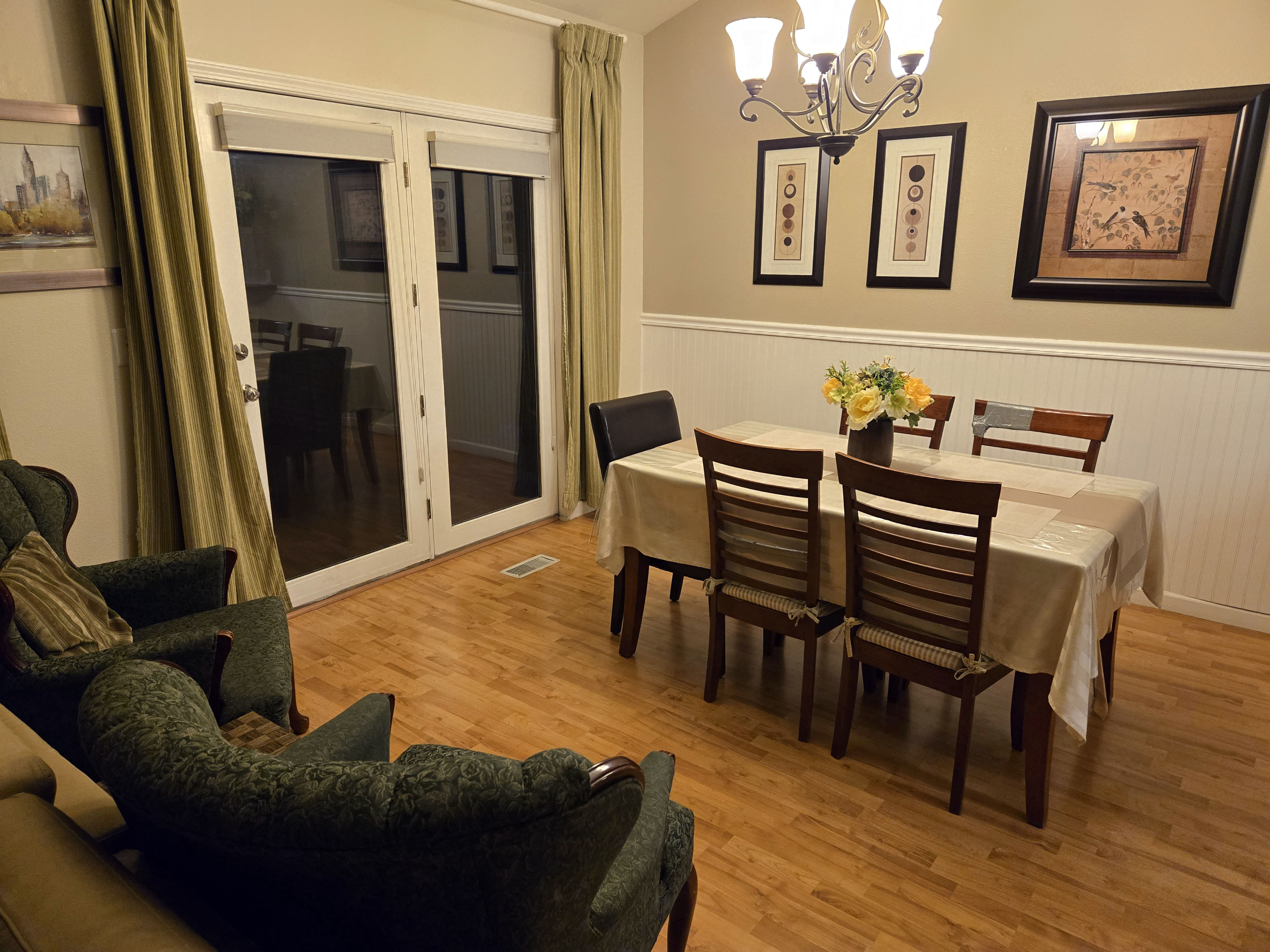
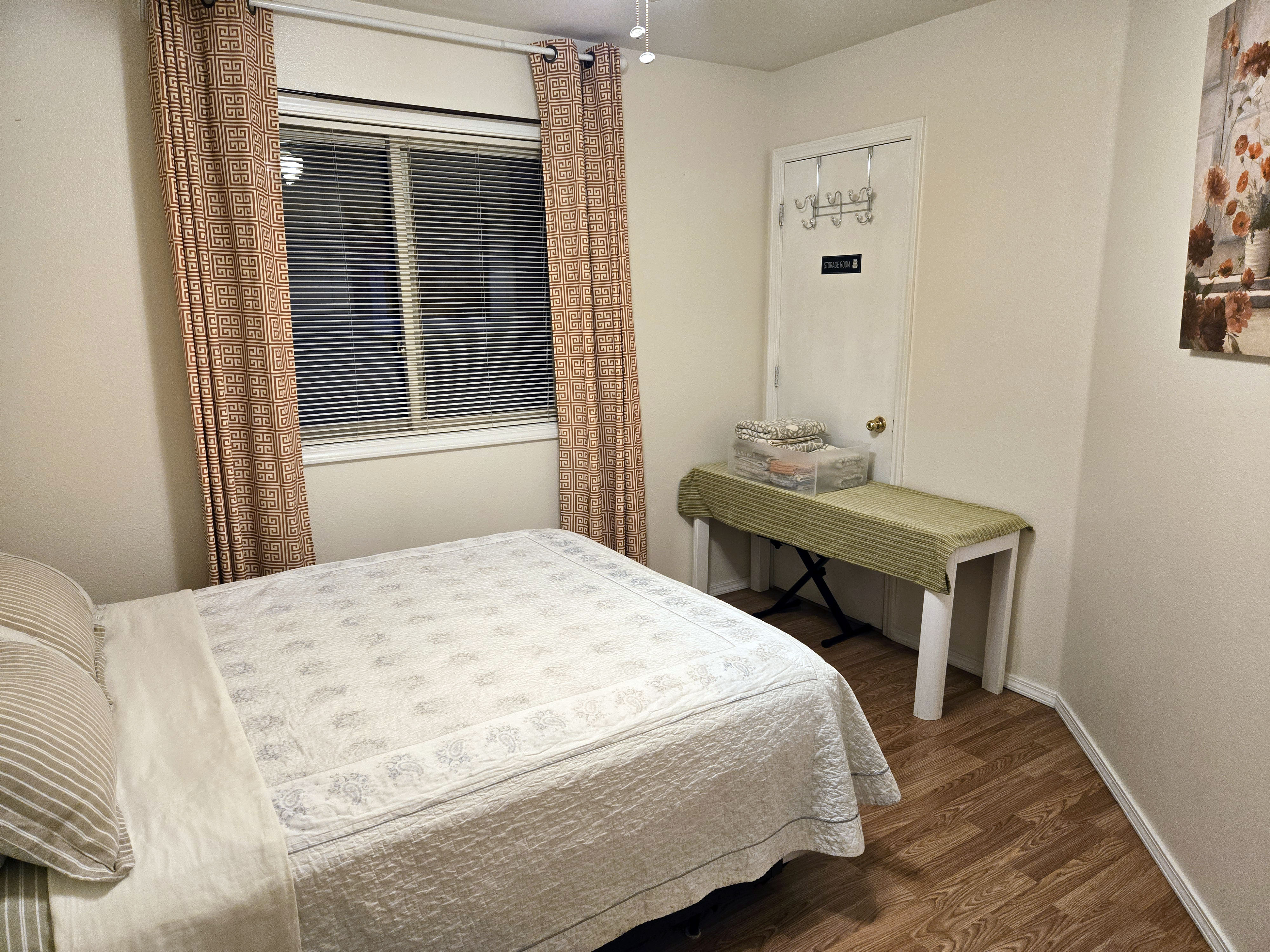
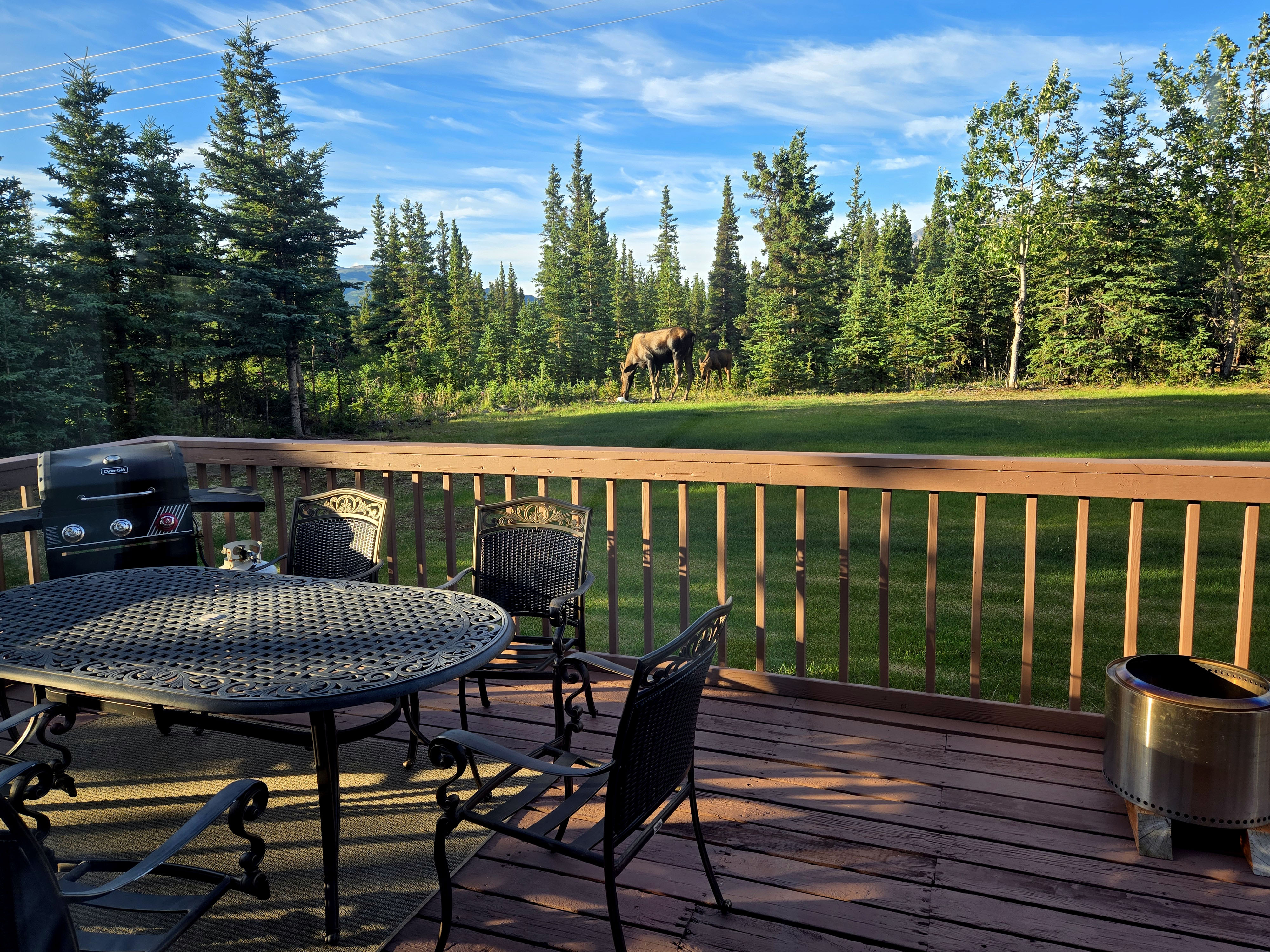
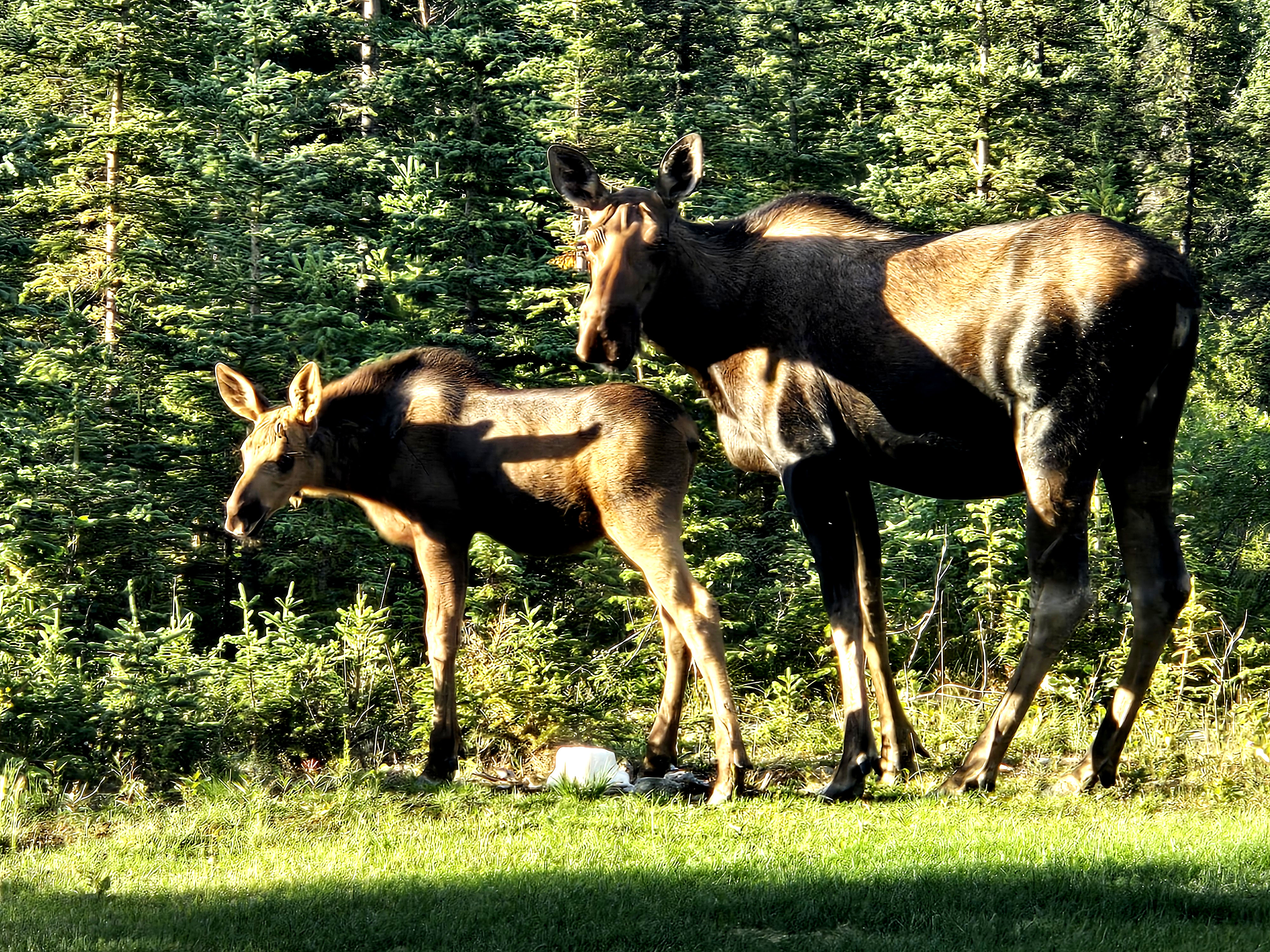
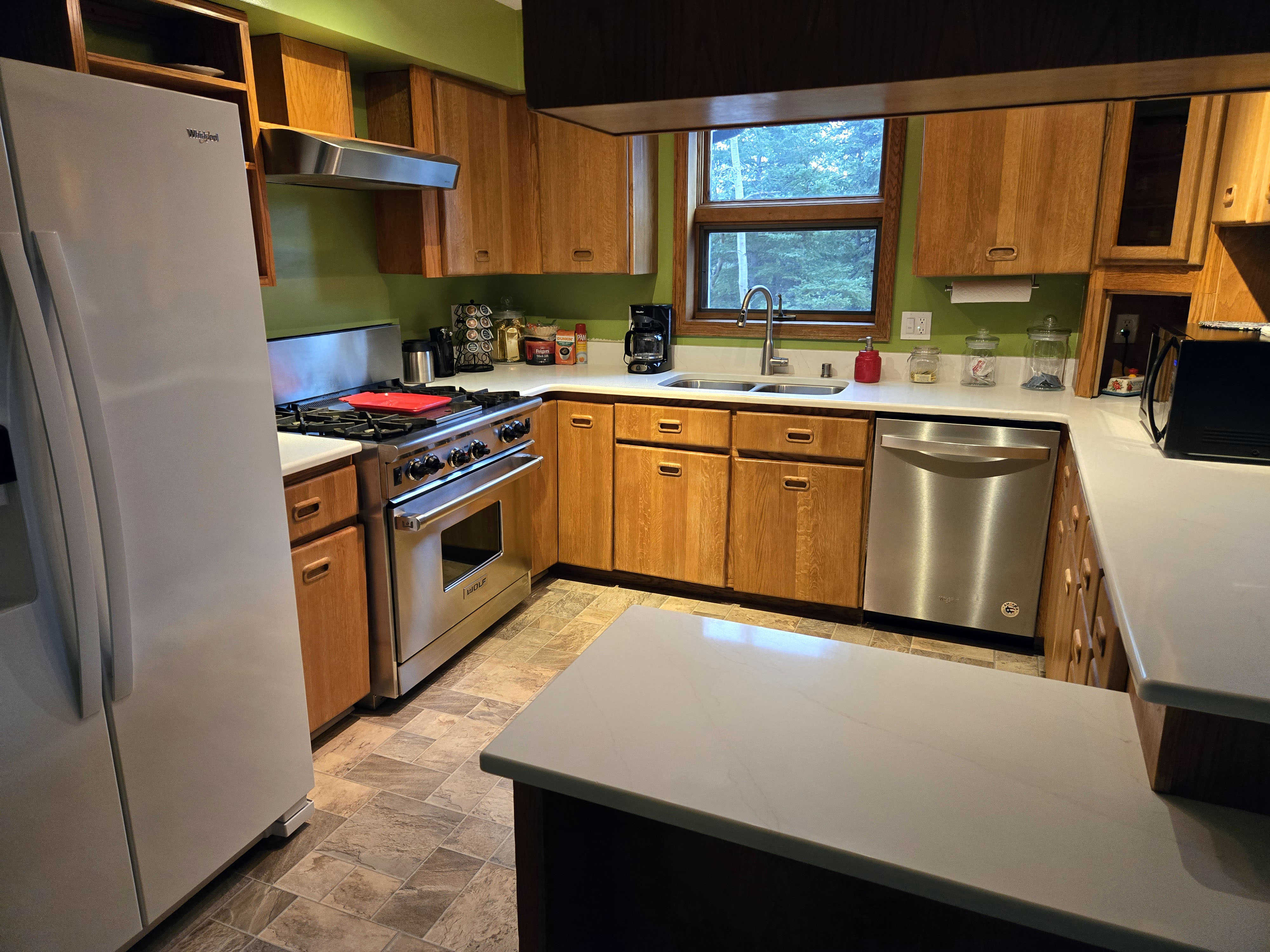
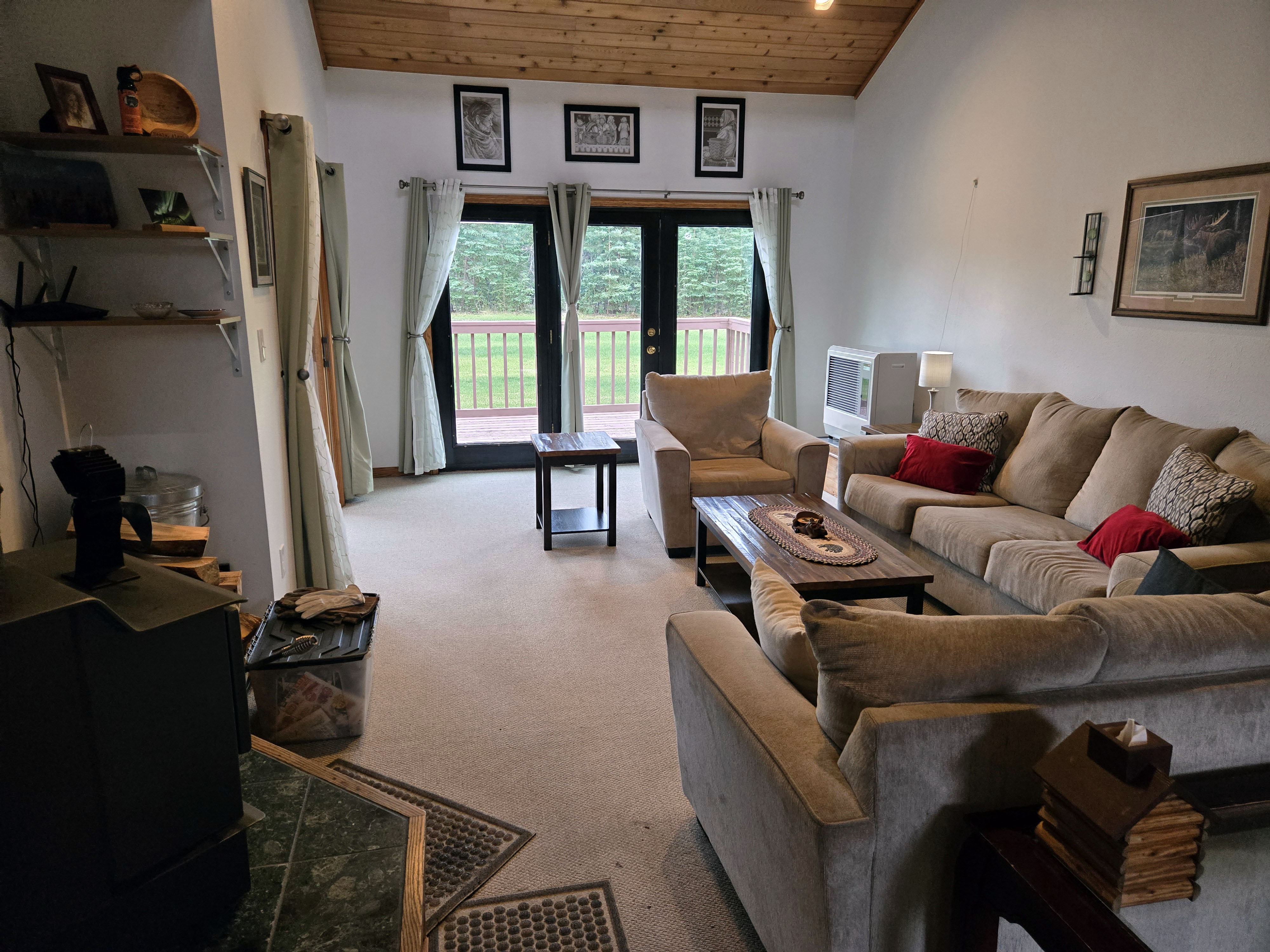
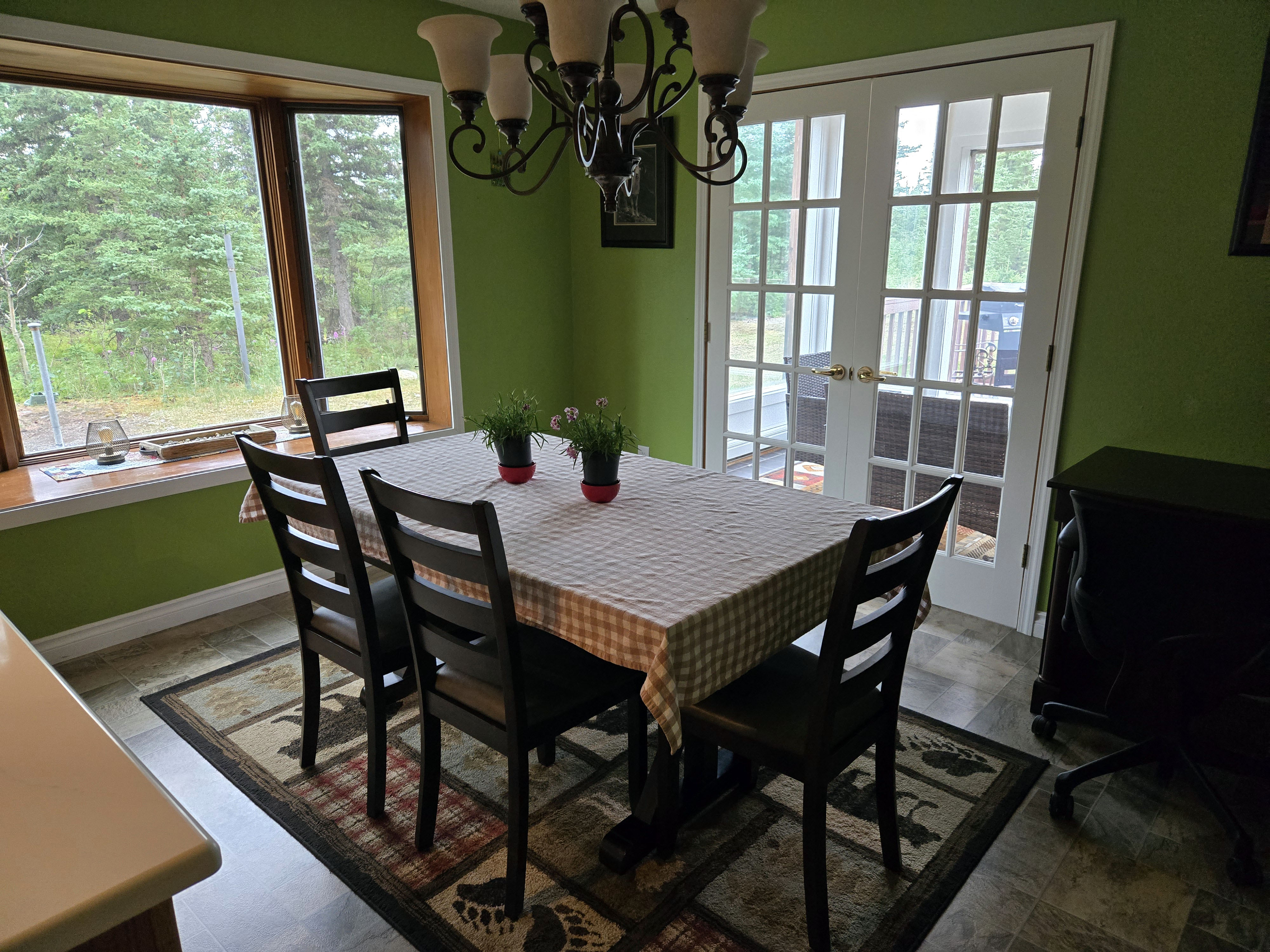
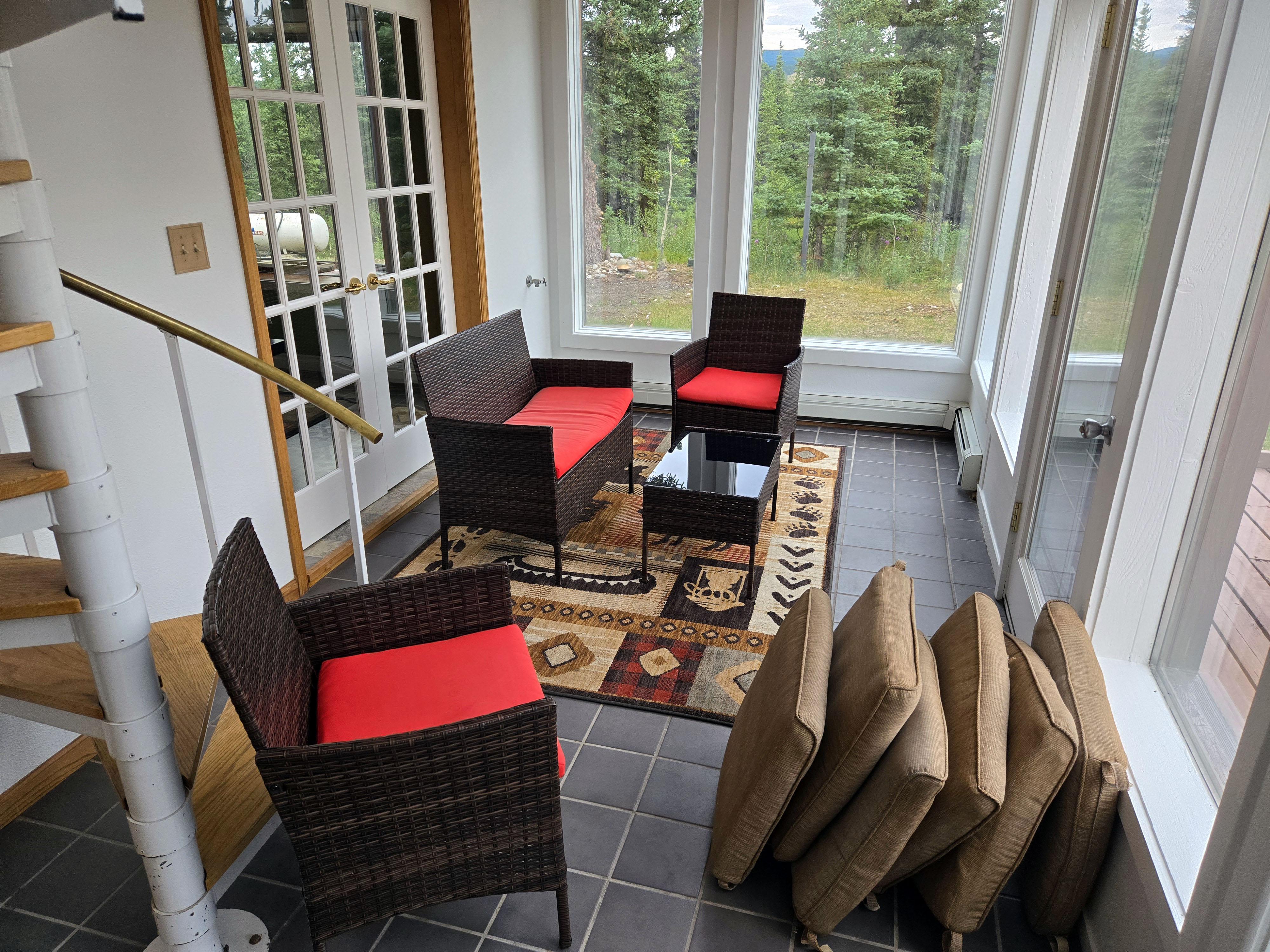
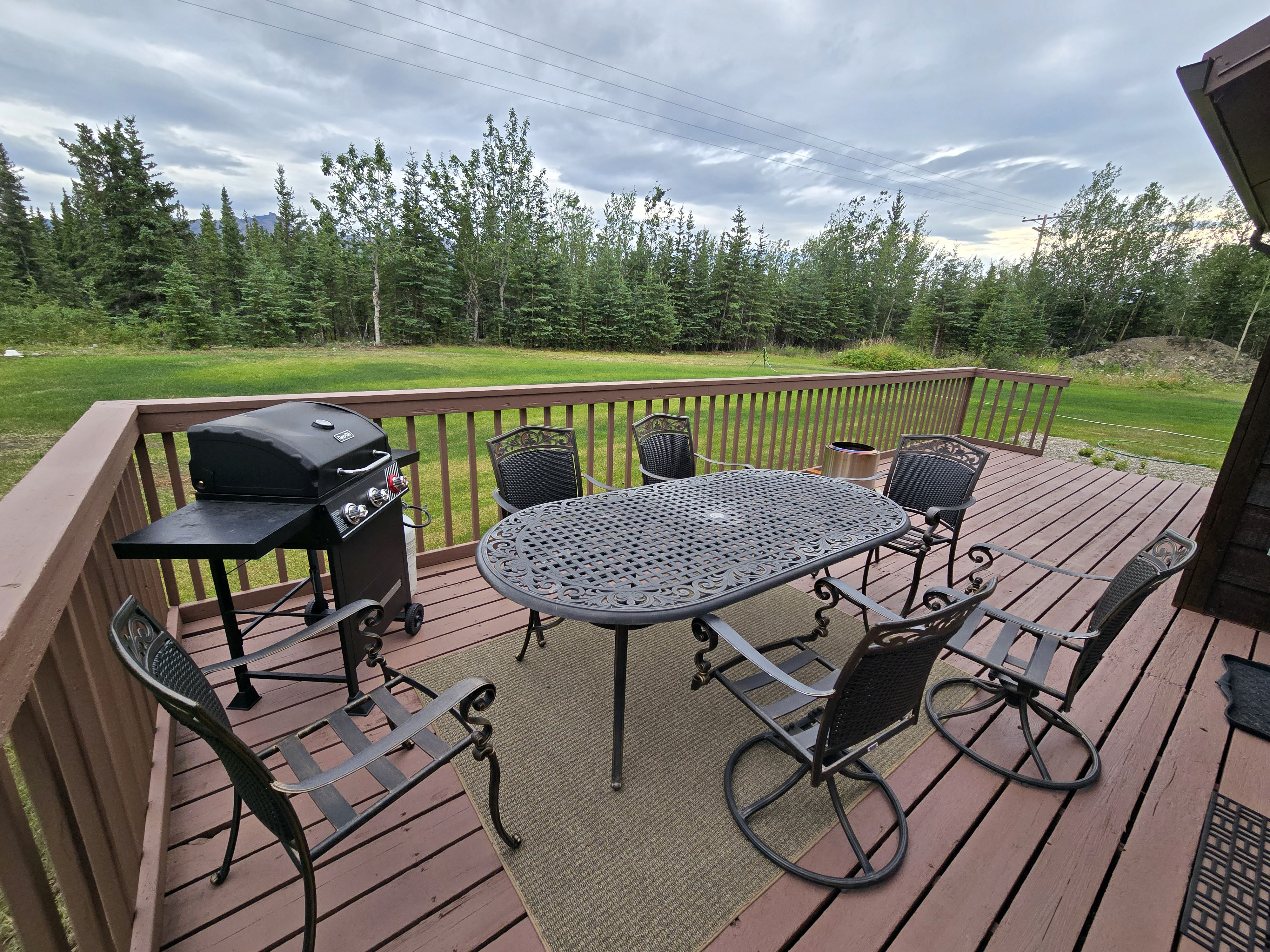
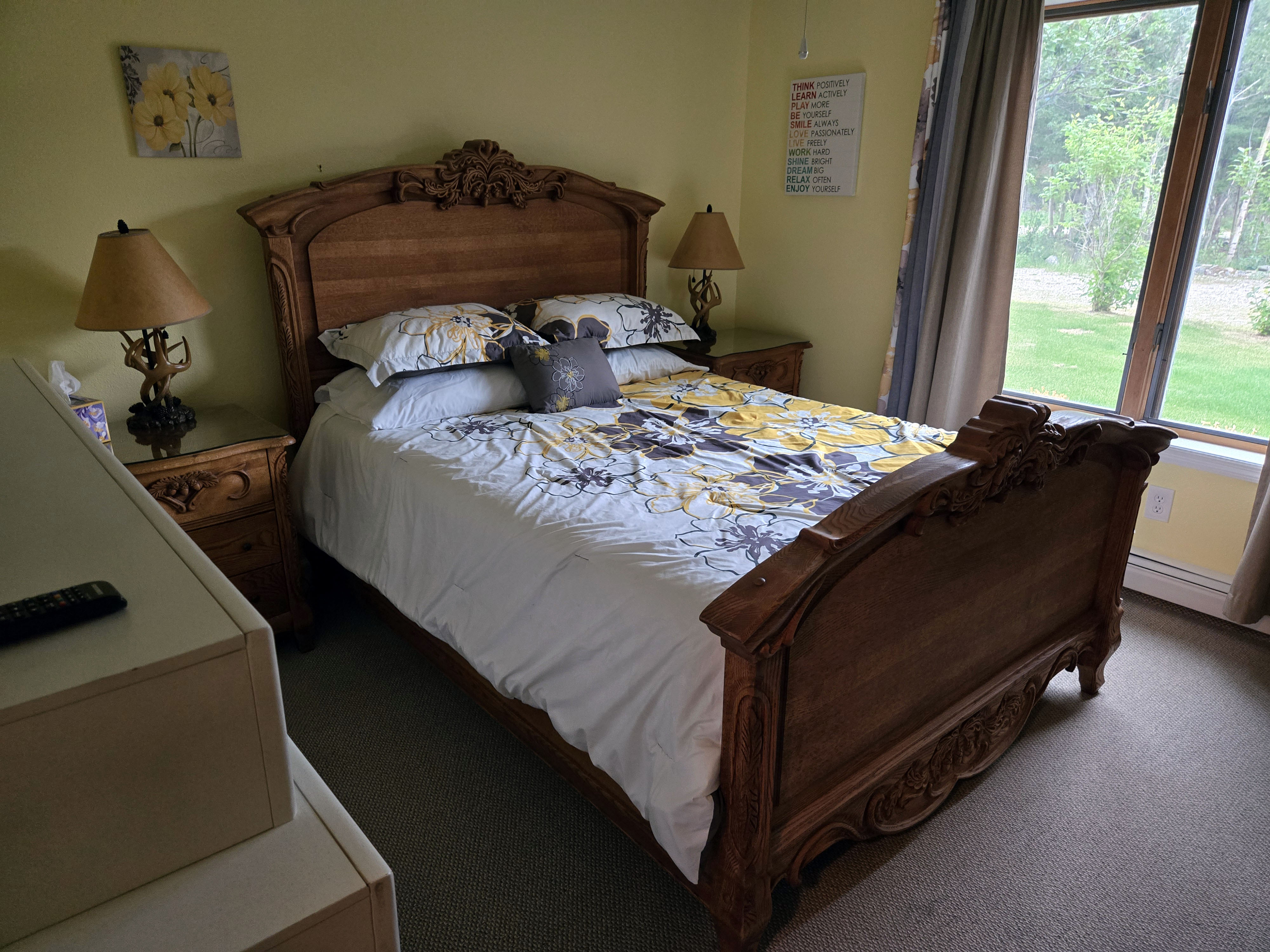
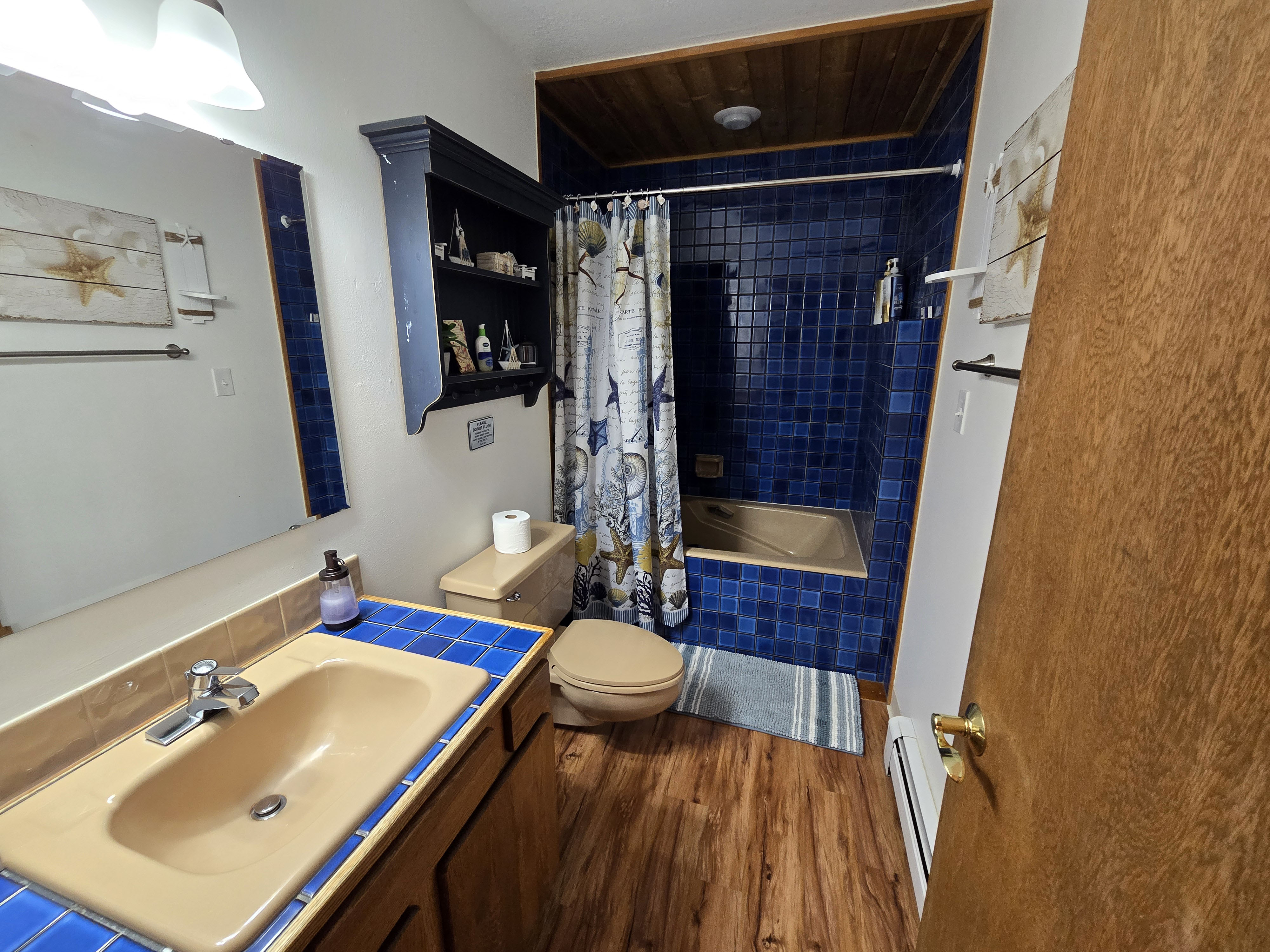
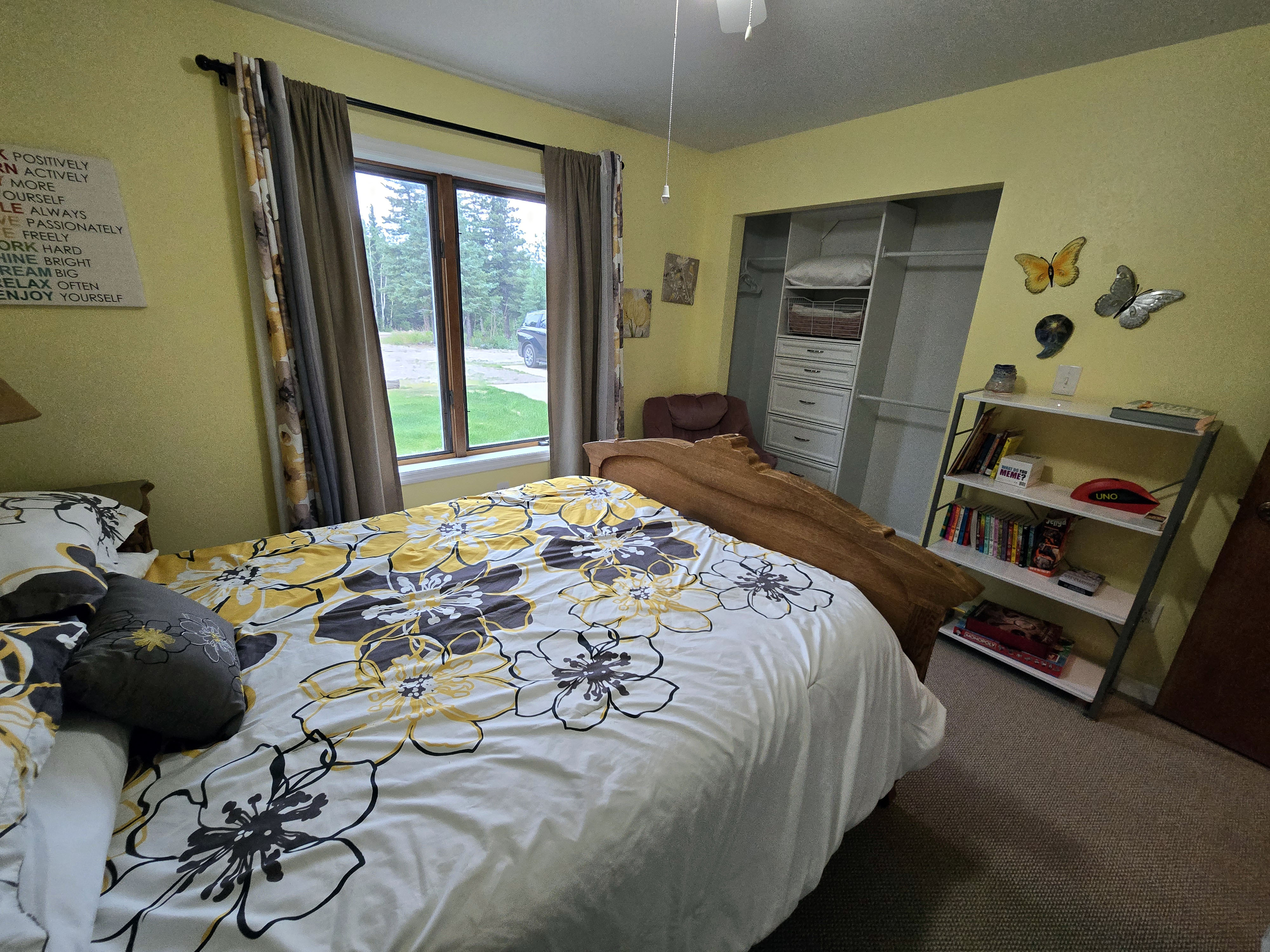
Healy (Base for Denali National Park): When visiting Denali National Park, many travelers stay in the Denali town just outside the park entrance, where there are several hotels, lodges, and tour-oriented accommodations. There are also limited lodging options inside the park itself, but these book up very early and typically offer fewer amenities and less space. For families or longer stays, finding accommodations that balance comfort with access to the park can be challenging. Given our needs, we chose to stay in Healy, about 20–25 minutes from the Denali Visitor Center, and it turned out to be an excellent decision. Our home felt like a well-appointed cabin in the woods, offering both comfort and immersion in nature. It had three bedrooms and two bathrooms, with a large master bedroom featuring a king bed, a TV, and a private balcony that connected to a sunroom below. The living room had great seating for a group, making it a comfortable place to relax together in the evenings. However, there was no TV in the living room, so group movie or TV nights weren’t possible. TVs were available in the bedrooms (at least two of the three), which worked fine but is worth noting if shared viewing is important to you. When we first checked in around 6–7 PM, the house felt quite warm, as it had been a warmer-than-usual day and there was no air conditioning. We contacted the host, who responded promptly and kindly explained that temperatures would drop quickly in the evening and that opening the windows would cool the house down. She was absolutely right. Within a short time, the house became comfortable, and we really appreciated her responsiveness and reassurance. The presence of window screens made this easy without worrying about mosquitoes. The gourmet kitchen was fully equipped and easy to cook in, and the large laundry room was well stocked, which was extremely helpful during a multi-day stay. The sunroom and outdoor deck overlooked a backyard that opened directly into forested land. One of the most unforgettable moments of the trip was seeing a mother moose and her calf wander into the yard, along with neighborhood rabbits grazing nearby. Blackout curtains were a huge plus given the long daylight hours, and with grocery stores and gas stations nearby, Healy offered a great balance between wilderness and convenience.
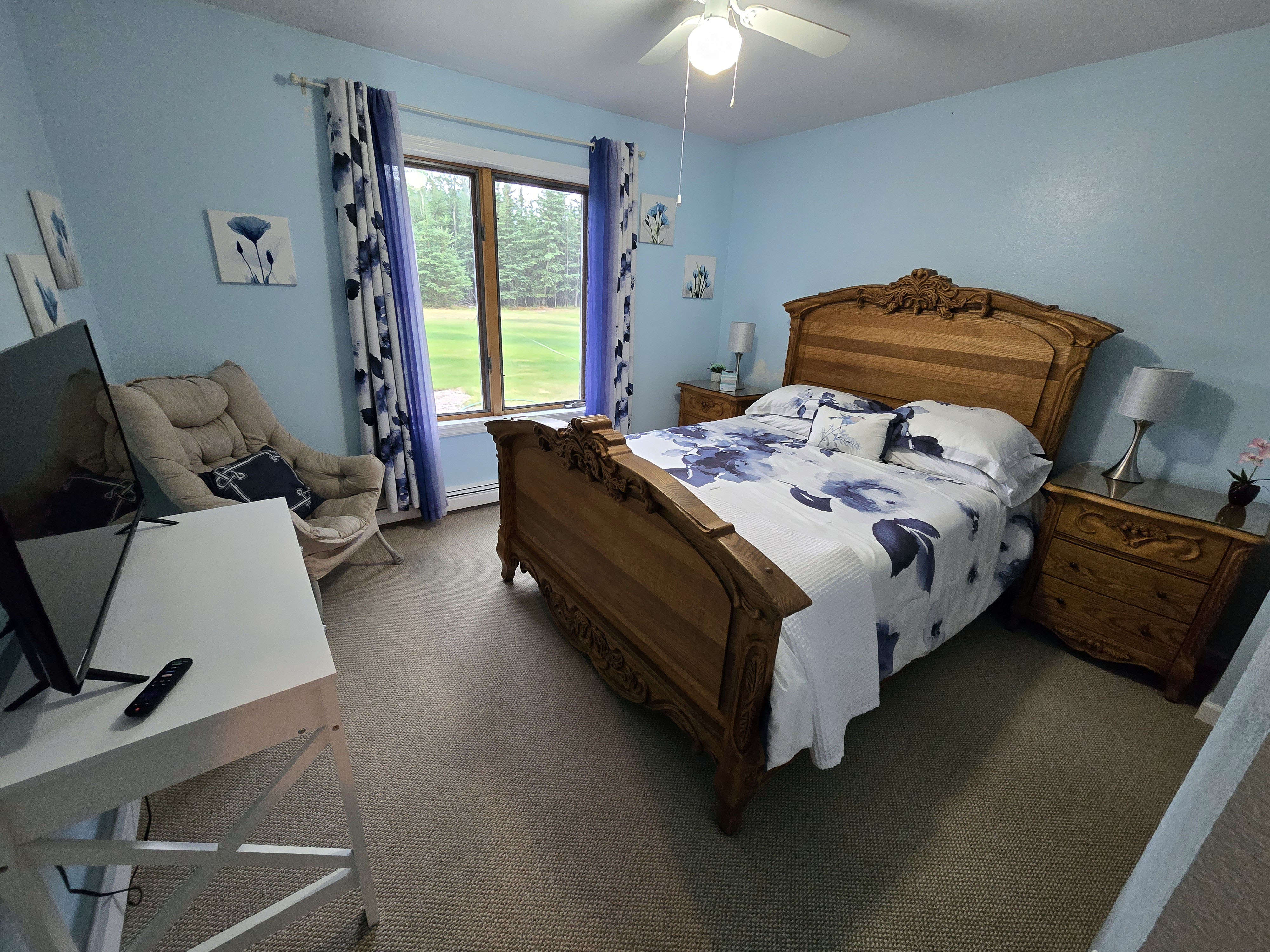
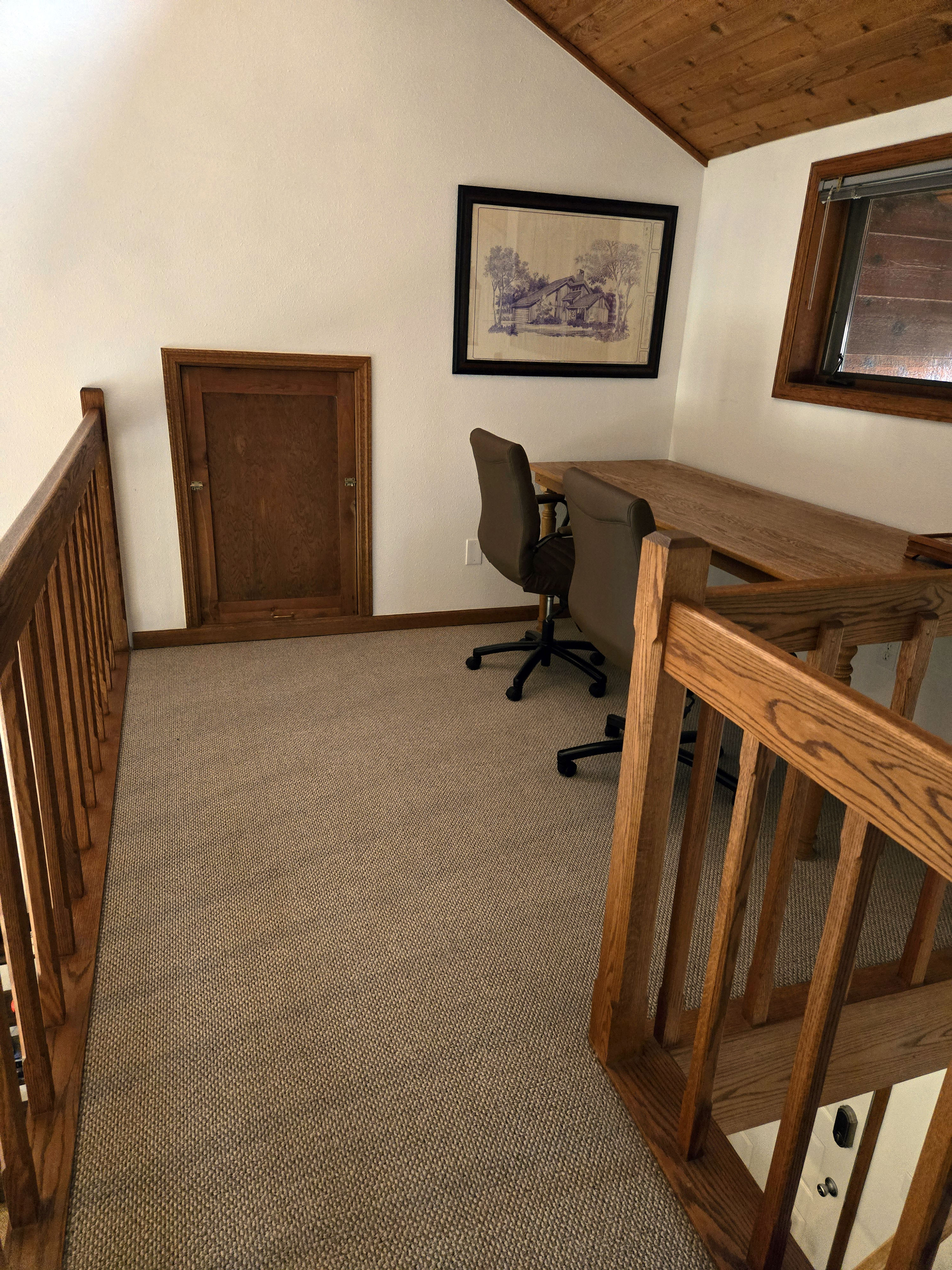
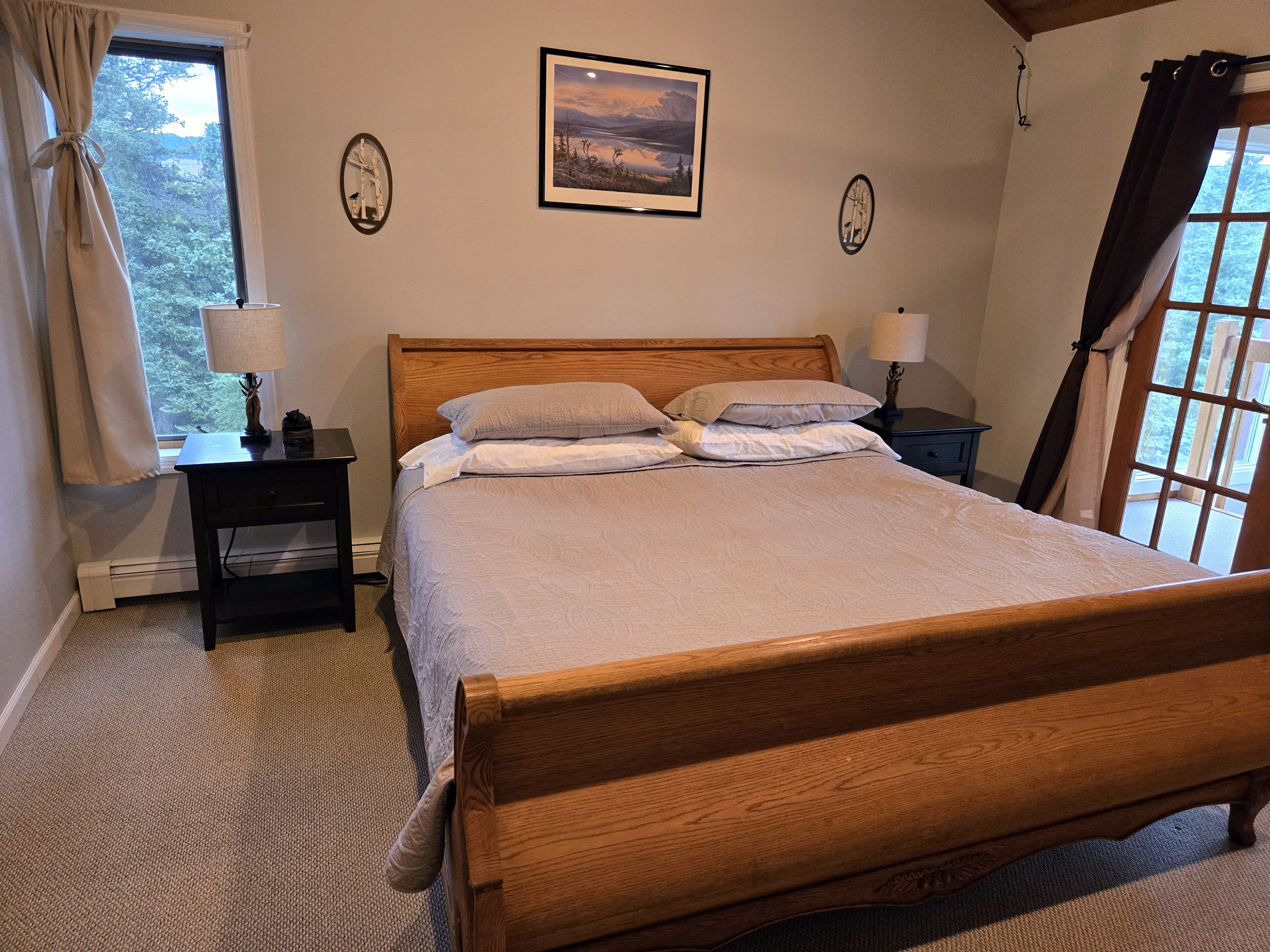
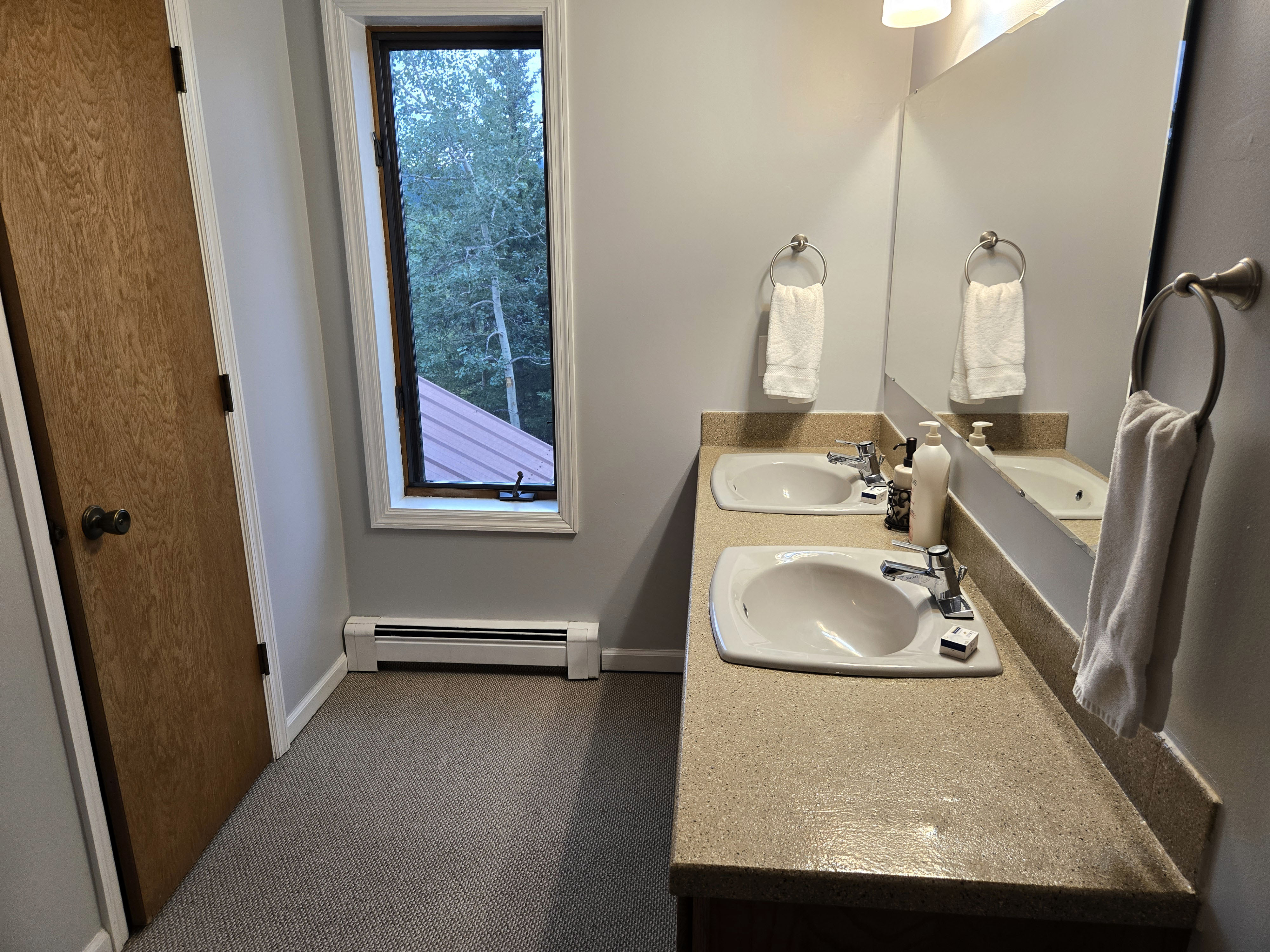
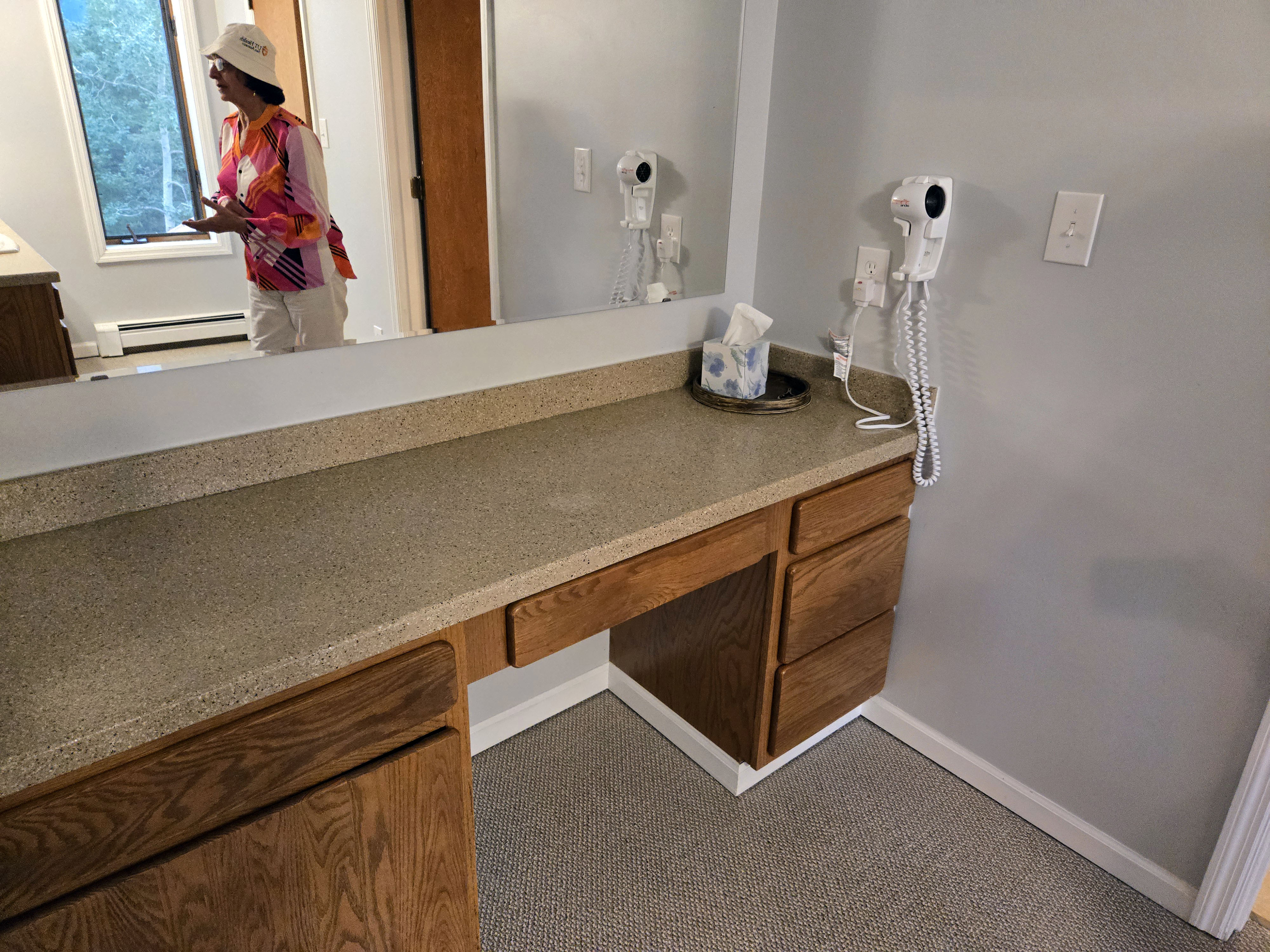
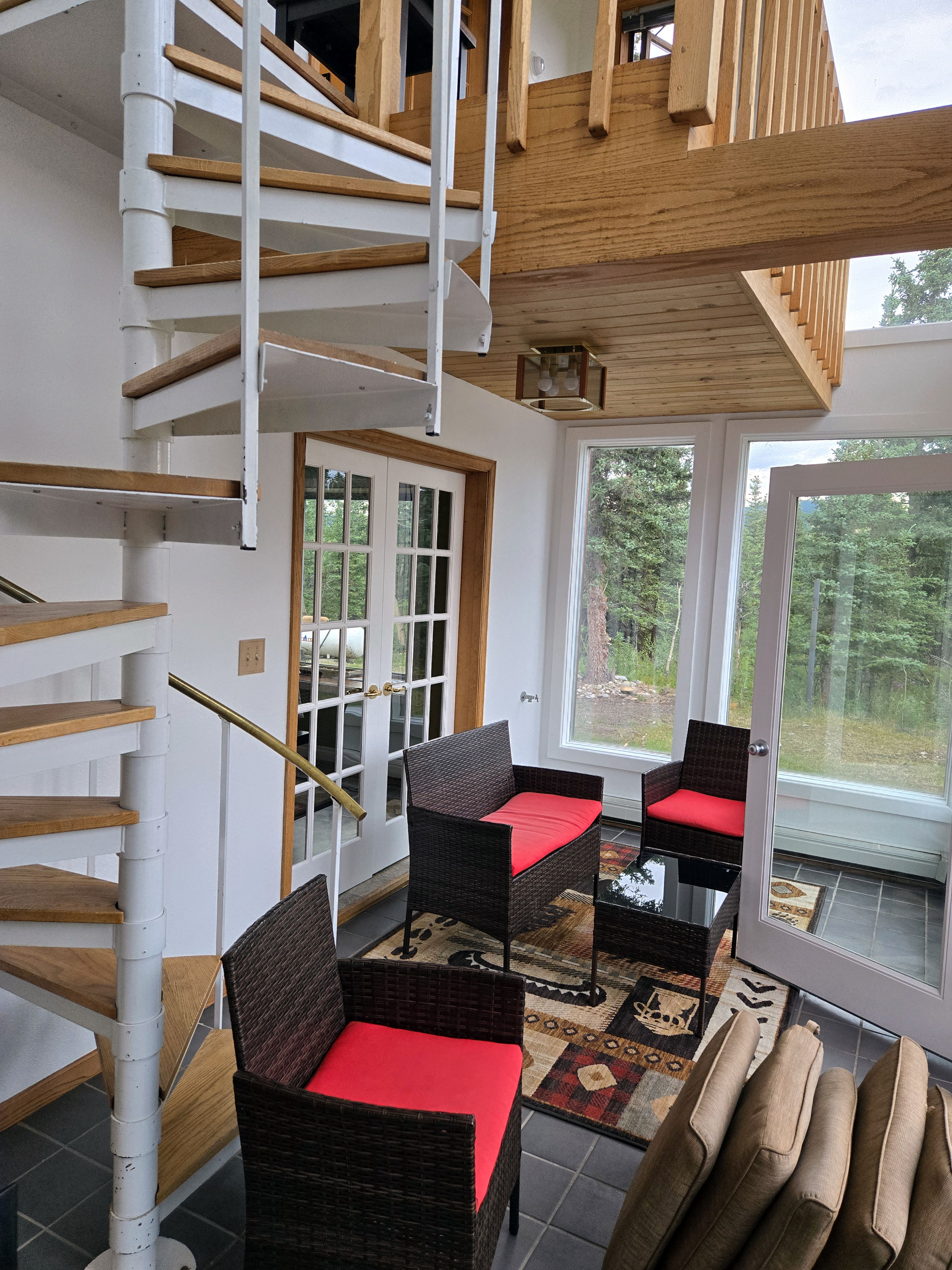
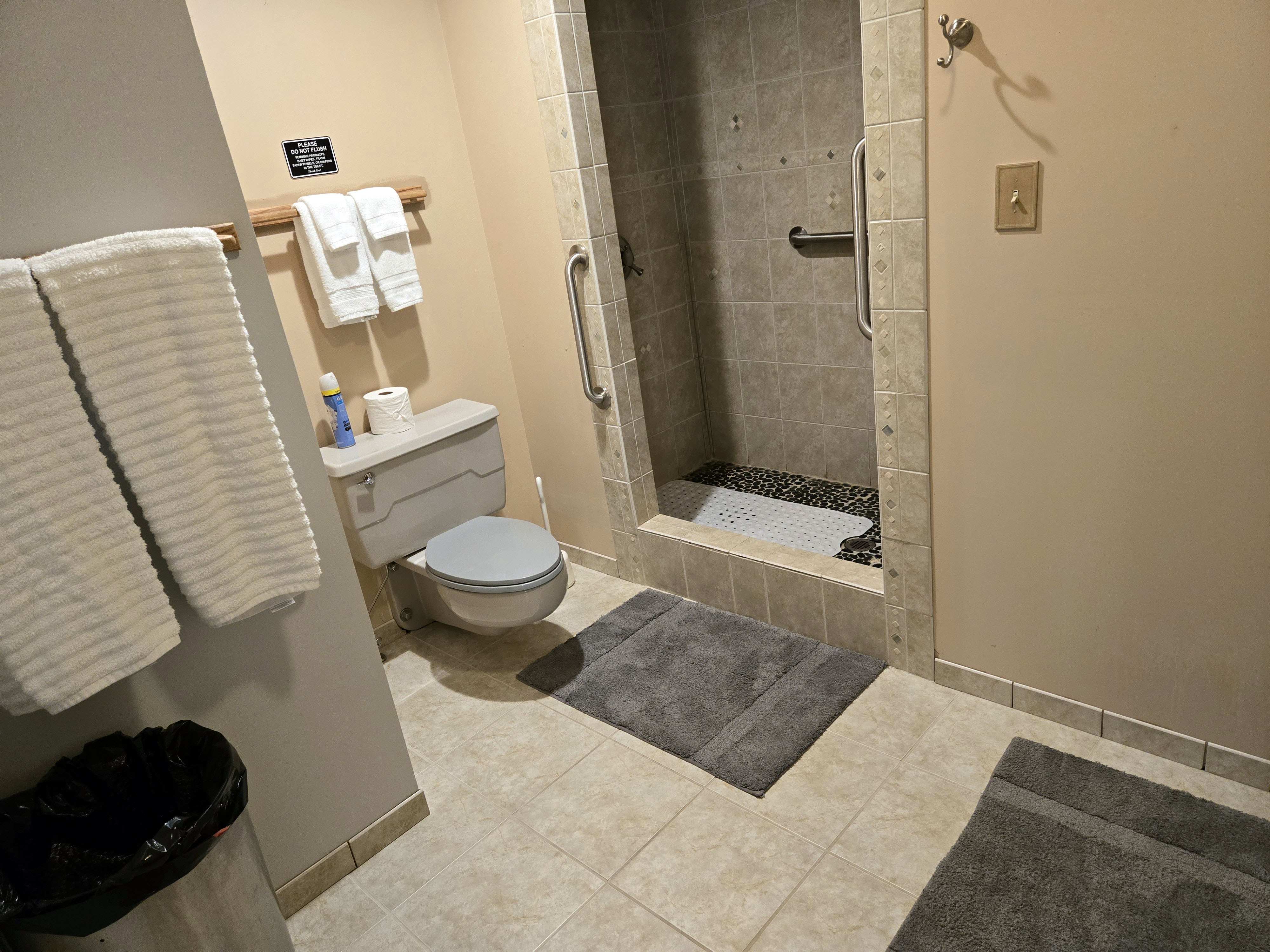
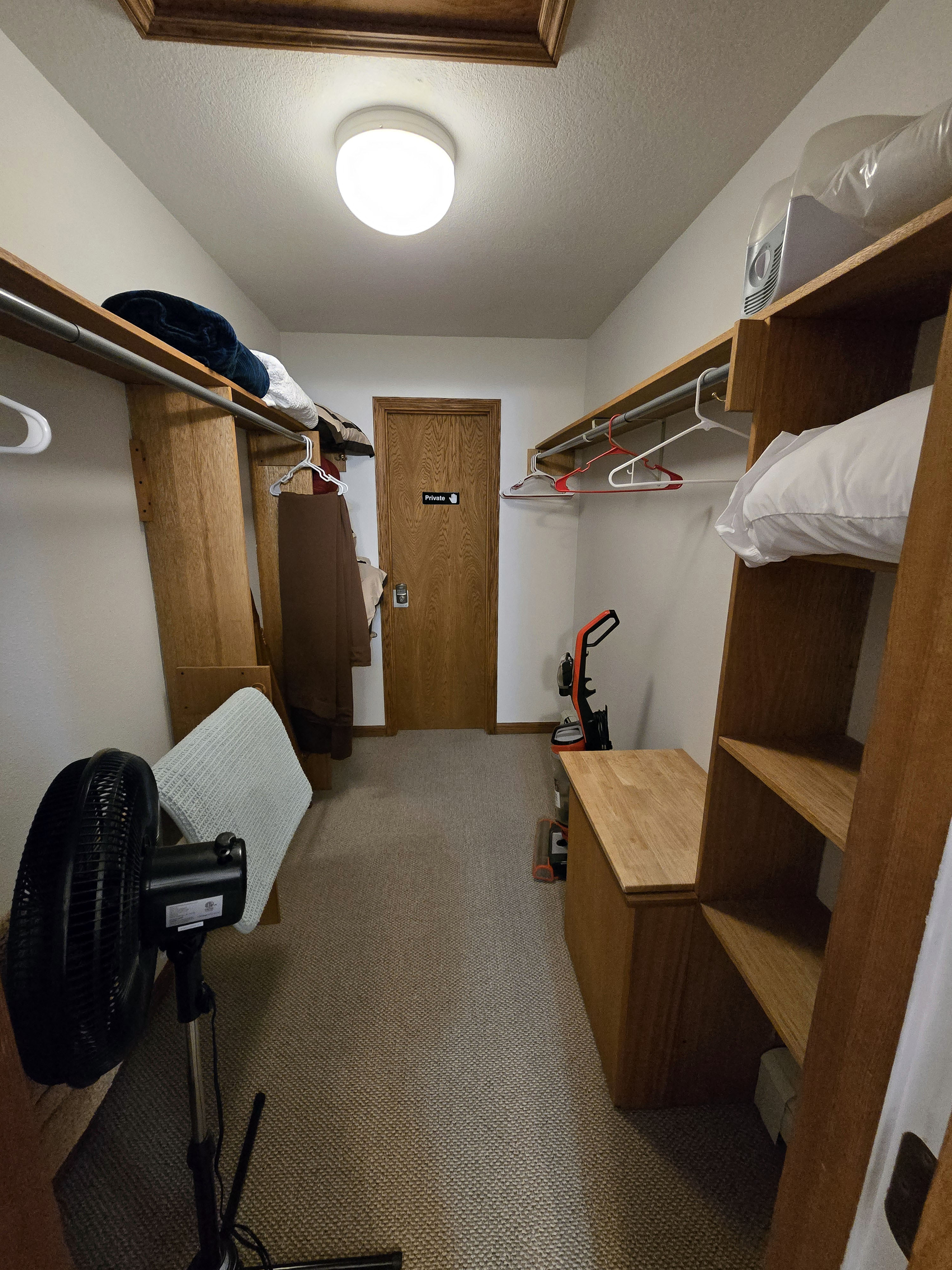
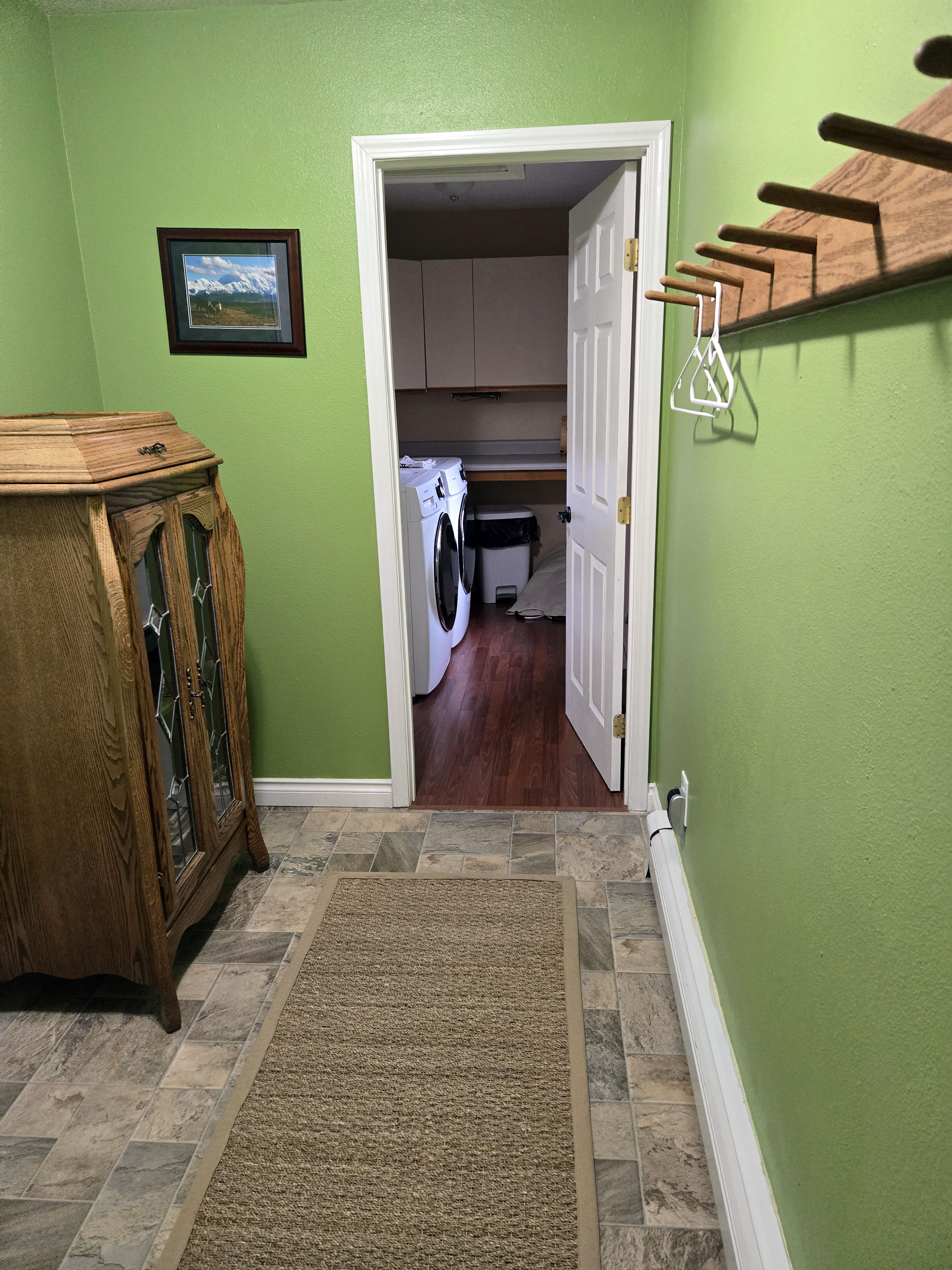
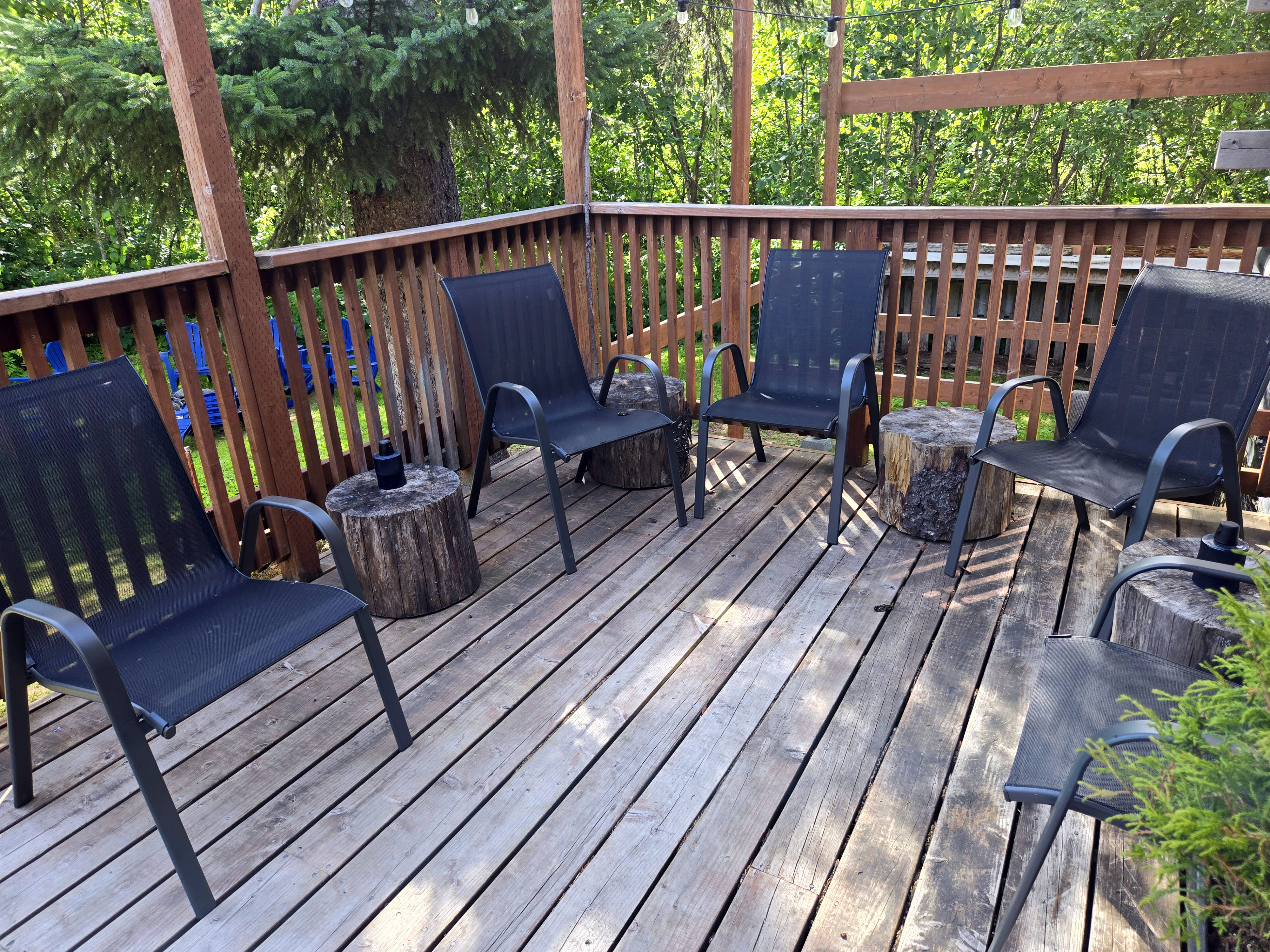
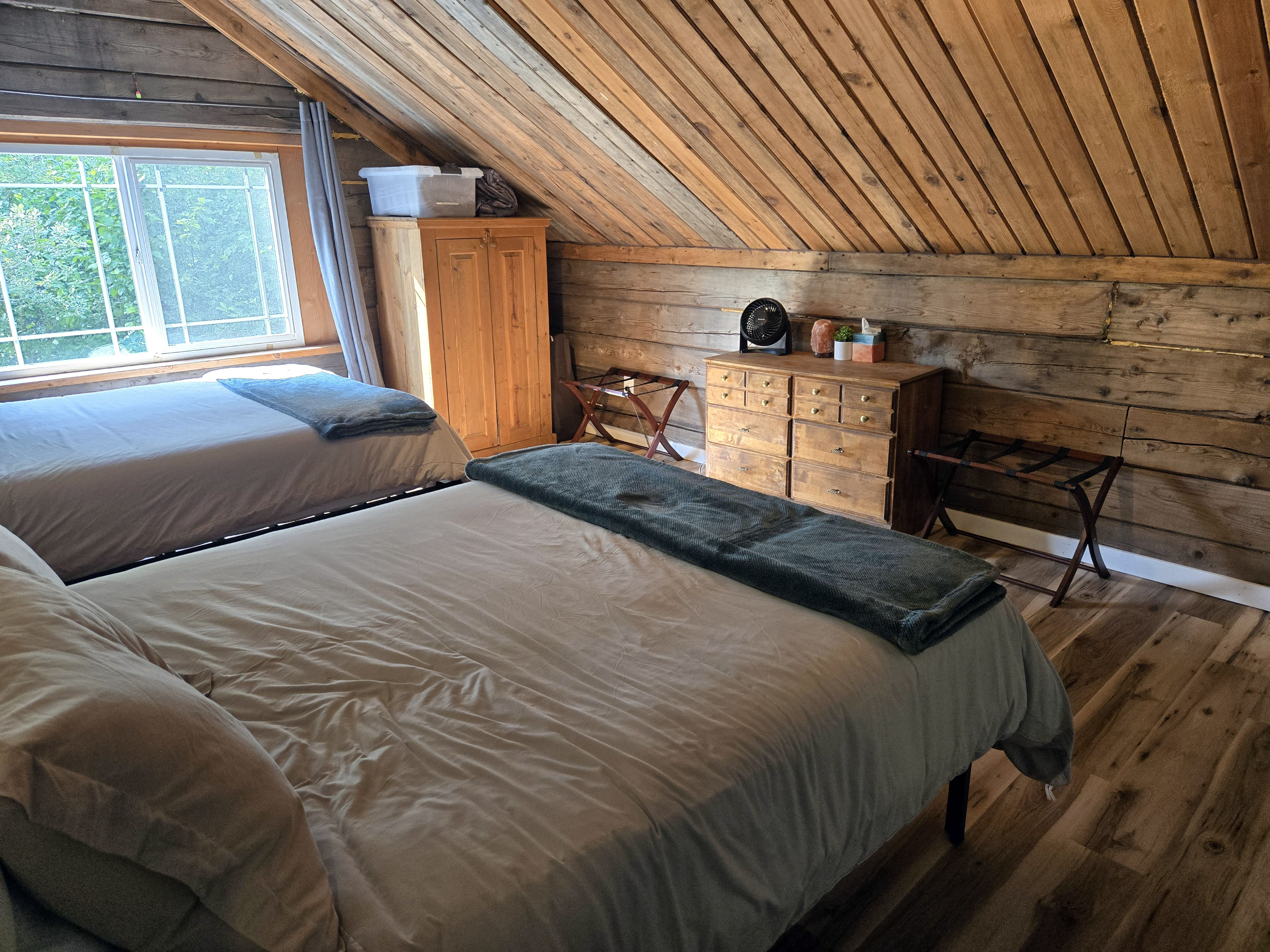
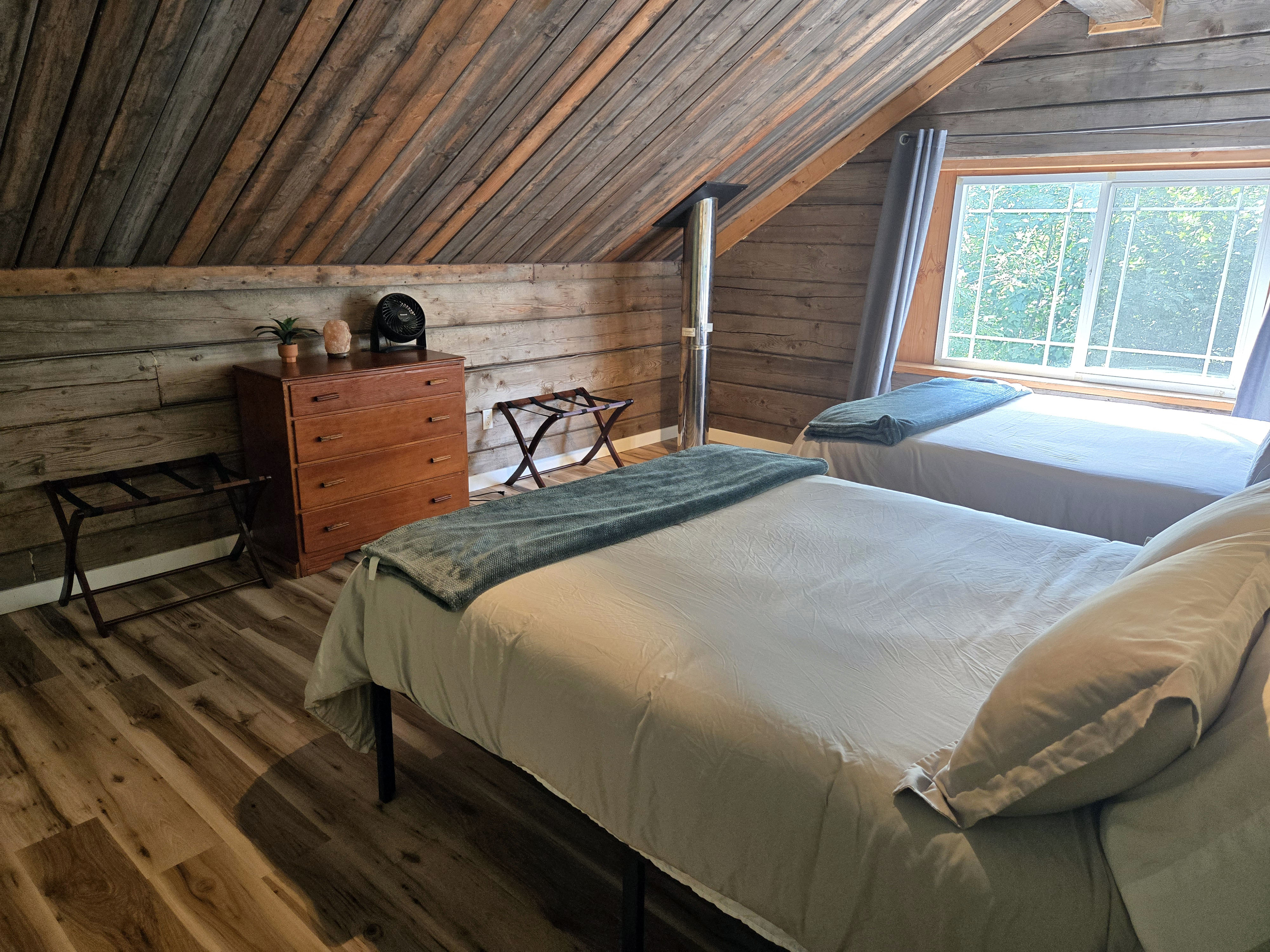
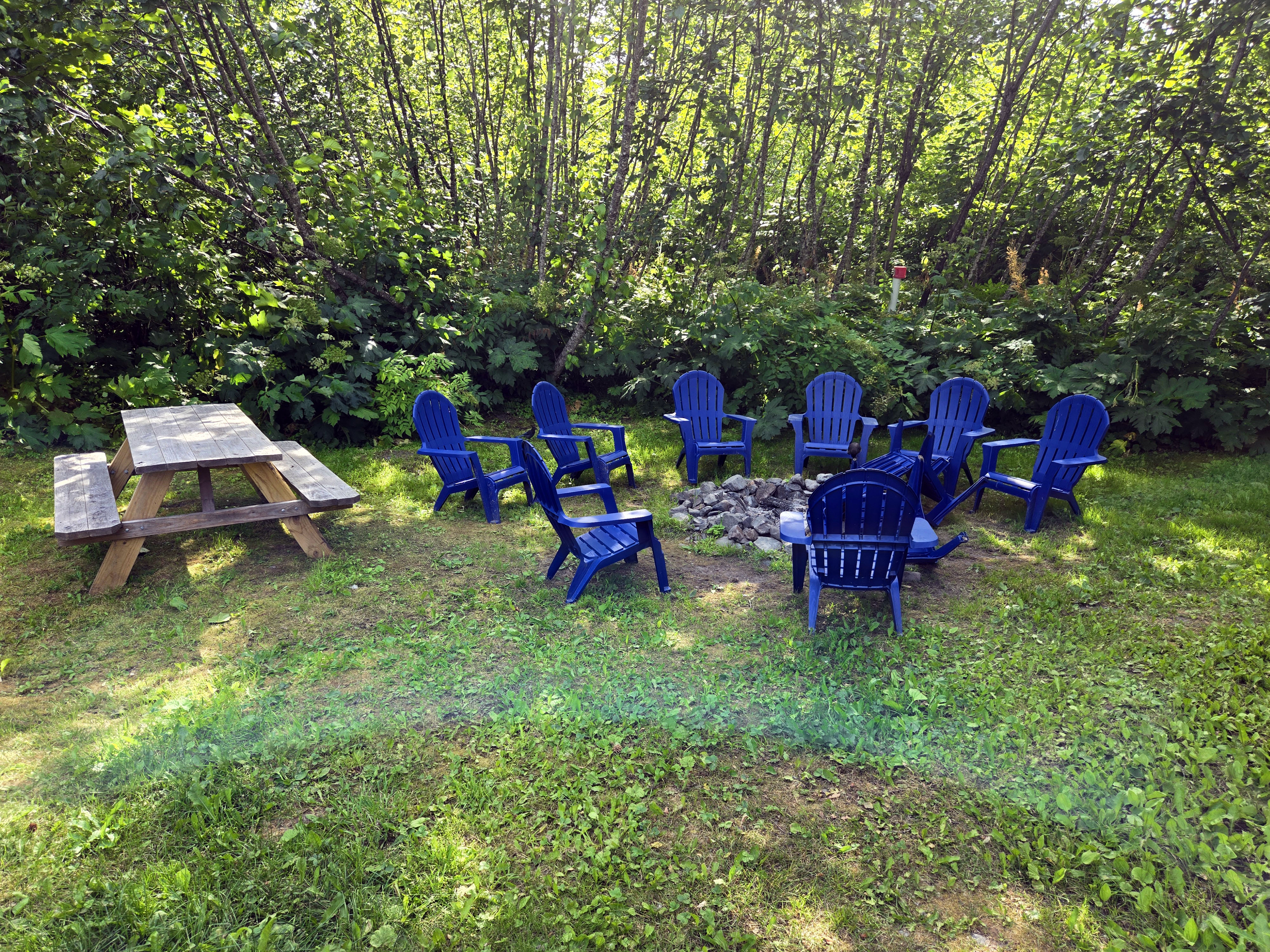
Seward (Kenai Peninsula): Seward has plenty of lodging options right in town, including hotels and vacation rentals close to the waterfront. Booking early increases your chances of staying centrally, especially in summer. By the time we booked, many in-town options were already taken, so we stayed in a cottage about ten minutes outside of Seward, which worked well overall. The house had two bedrooms and bathrooms (one on each floor) plus a loft with a queen bed and comfortably accommodated our group. The living room had a TV, which made it easy to relax together in the evenings. The kitchen was well equipped, and we appreciated the thoughtful welcome basket with local brochures and snacks. The hosts even provided two binoculars, which came in handy for wildlife spotting. One feature I appreciated was the front yard, which had outdoor seating and a space to set up a bonfire, making it a nice spot to spend time outdoors when the weather cooperated. There were some trade-offs. Cell service was spotty, and Wi-Fi was inconsistent, particularly on the lower floor. The wooden floors were squeaky and noisy, with a few loose planks, and the mattresses were on the softer side. Each room had a personal fan, which helped, as there was no air conditioning. Despite these minor issues, the cottage was comfortable, family-friendly, and well located for exploring Seward and the Kenai Peninsula.
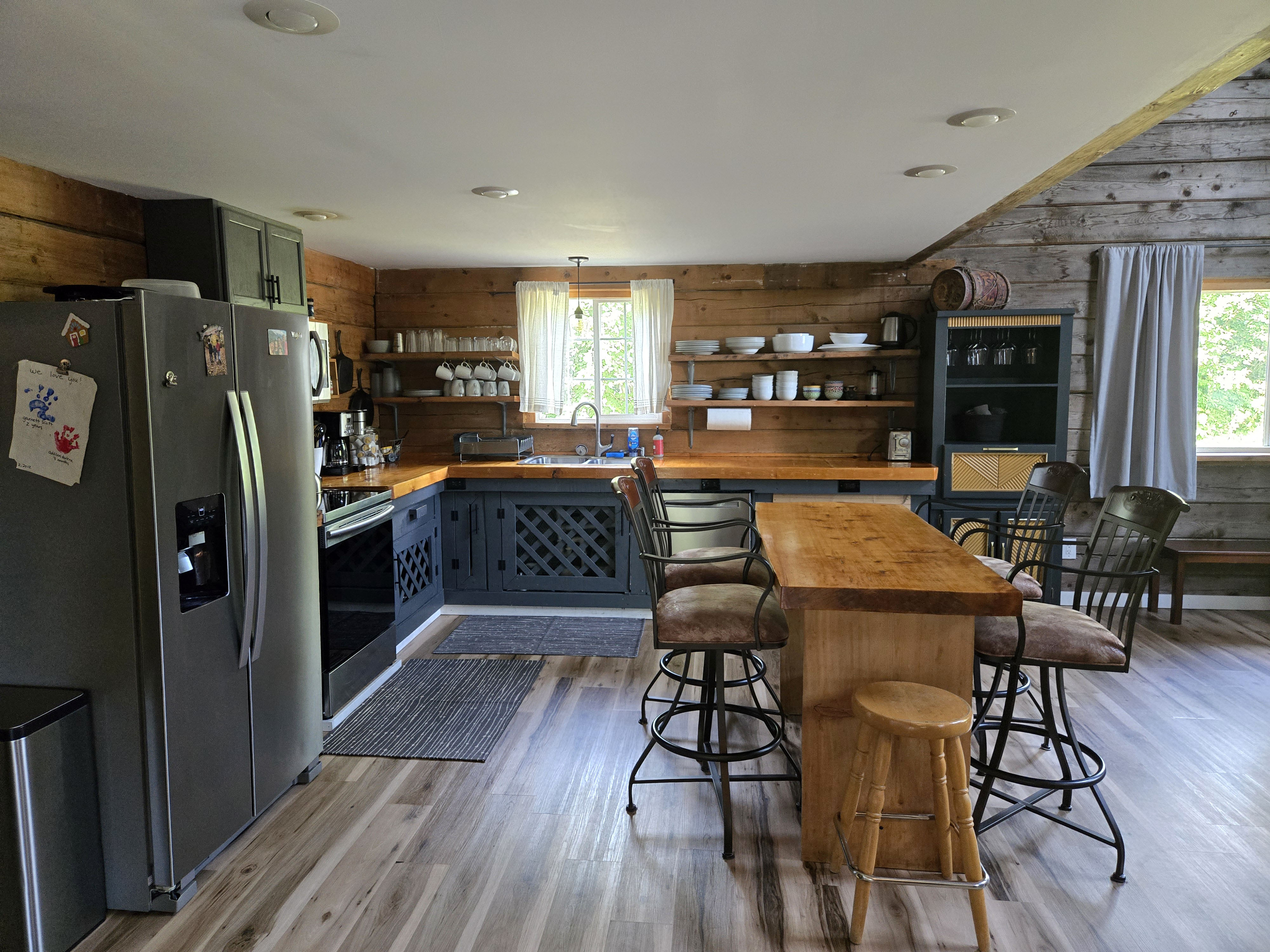
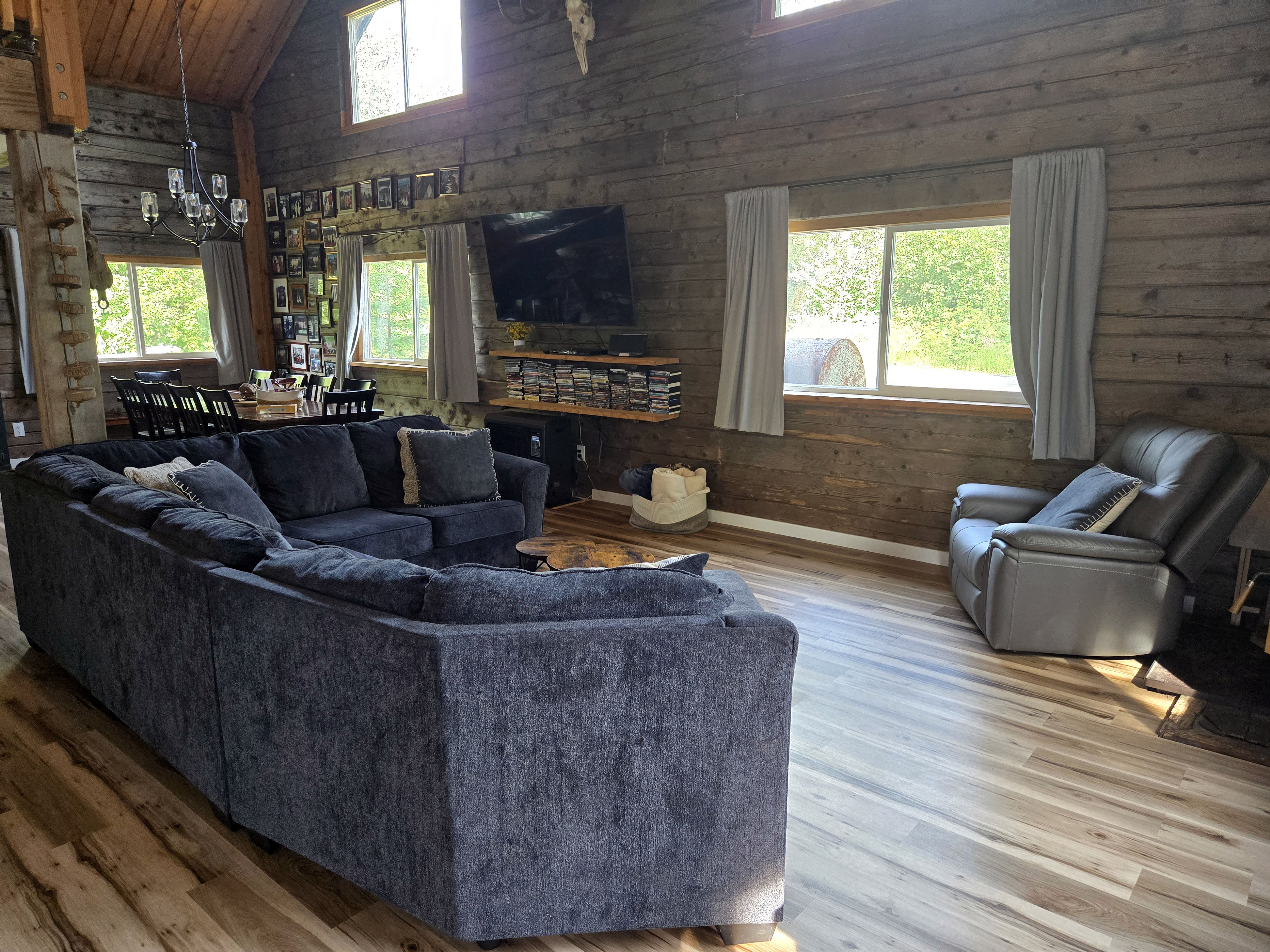
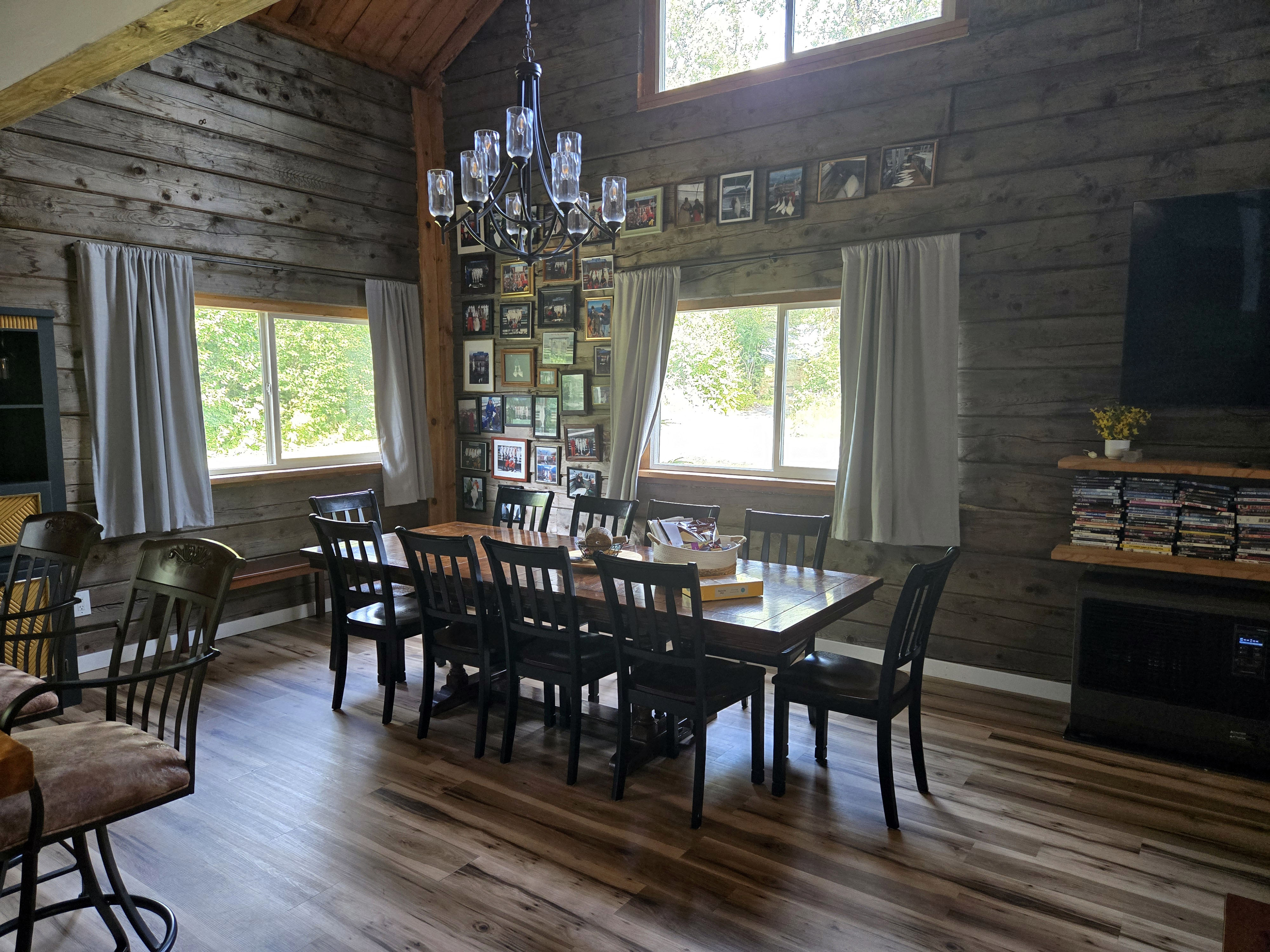
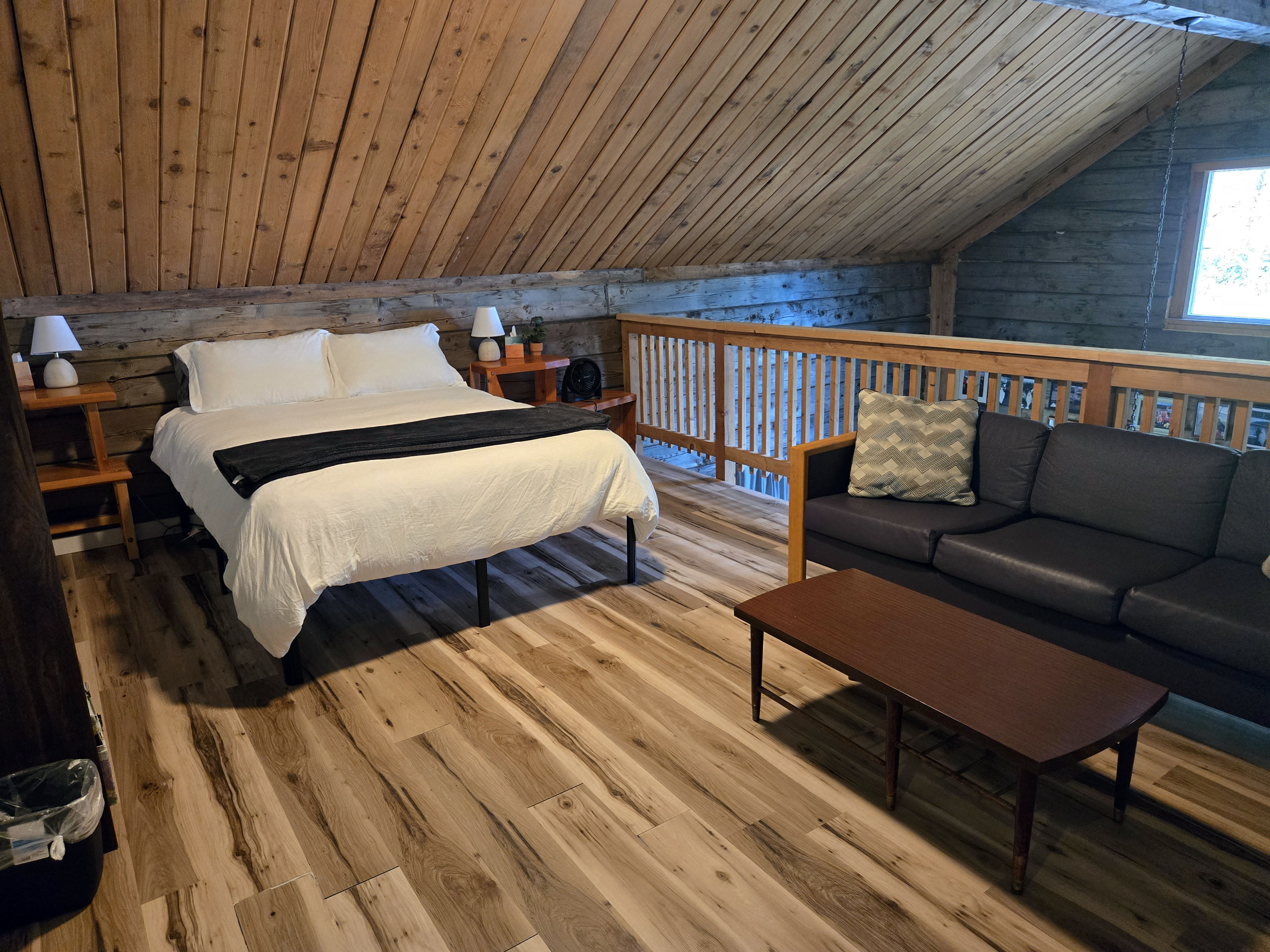
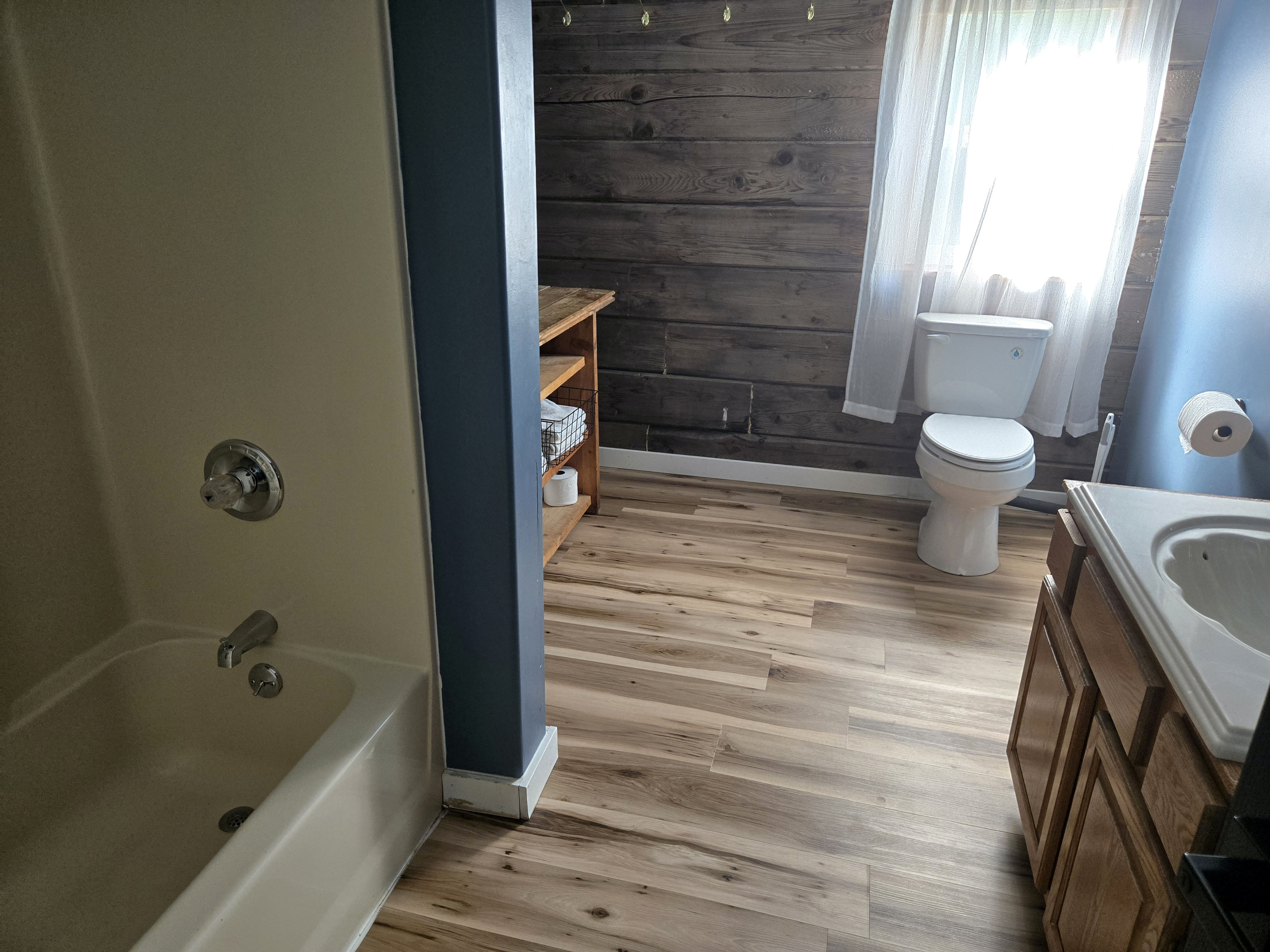
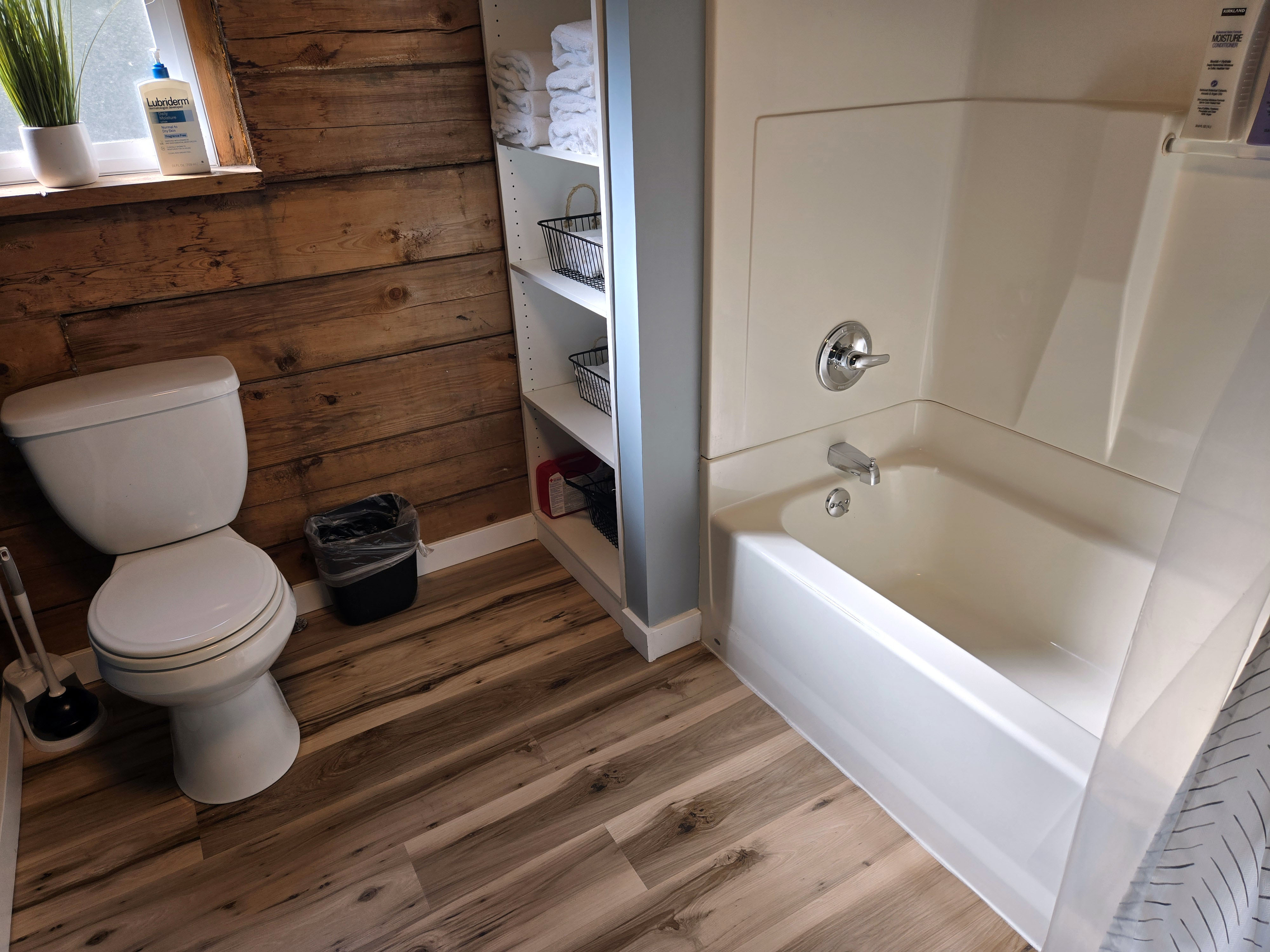
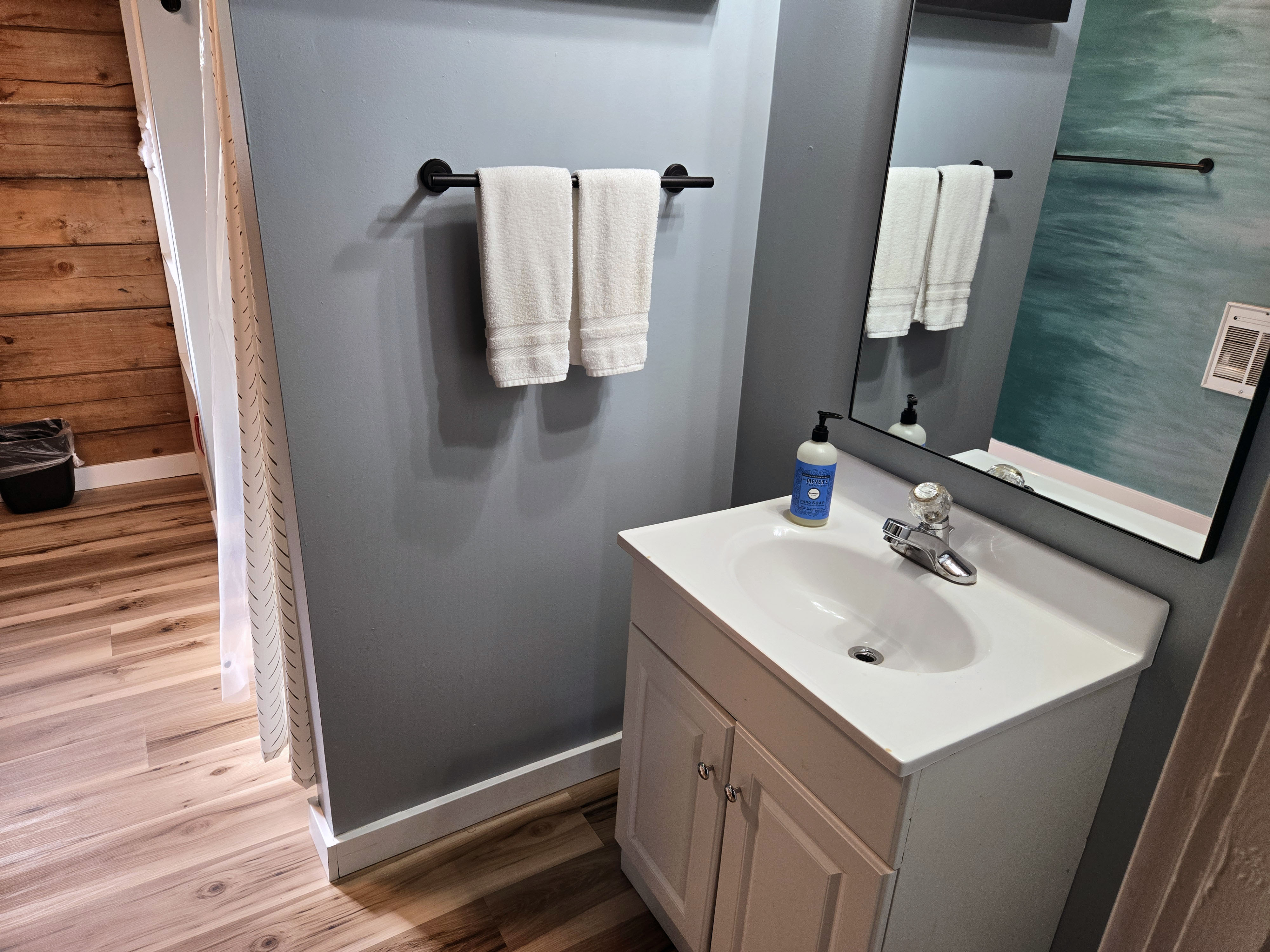
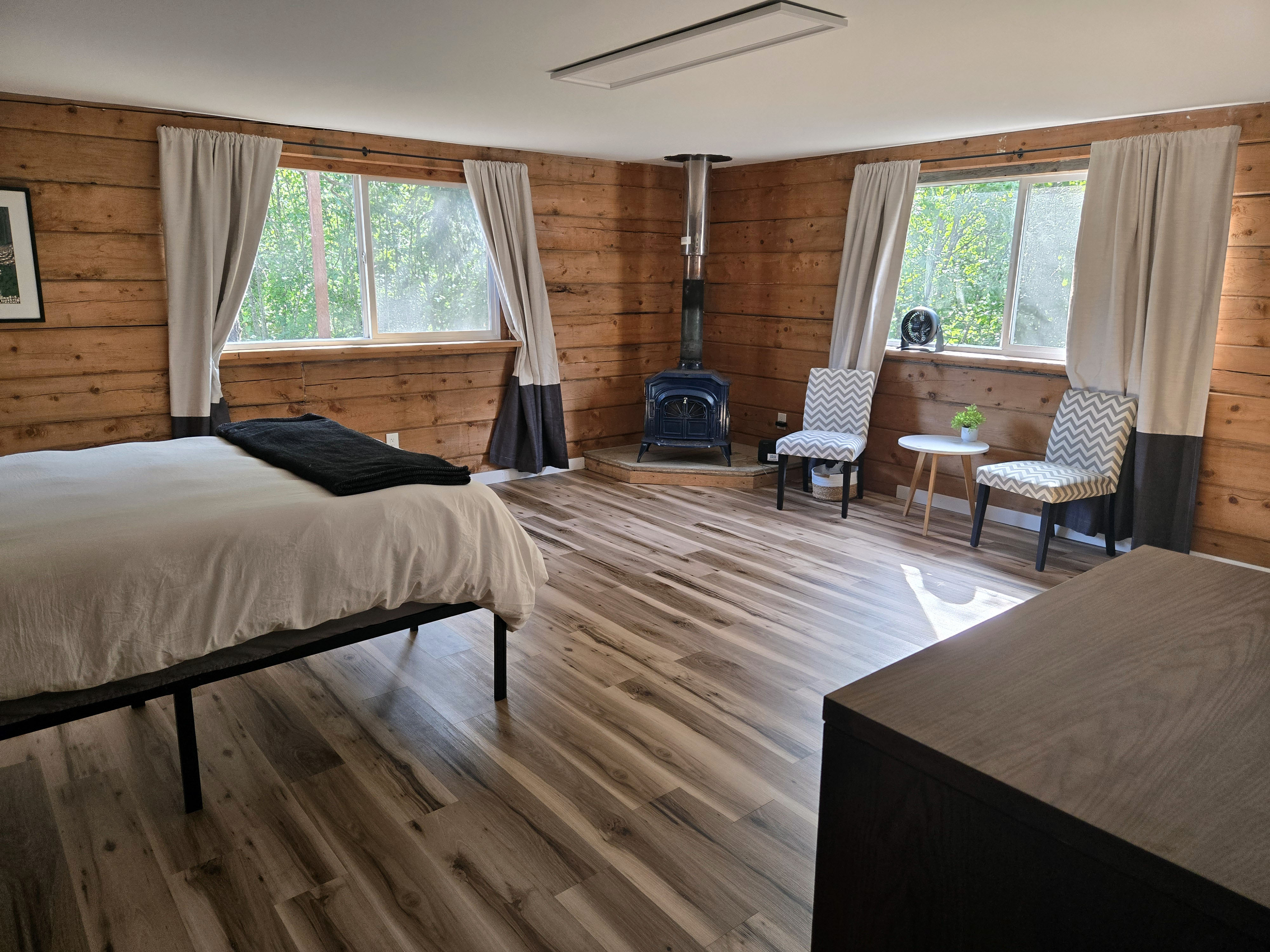
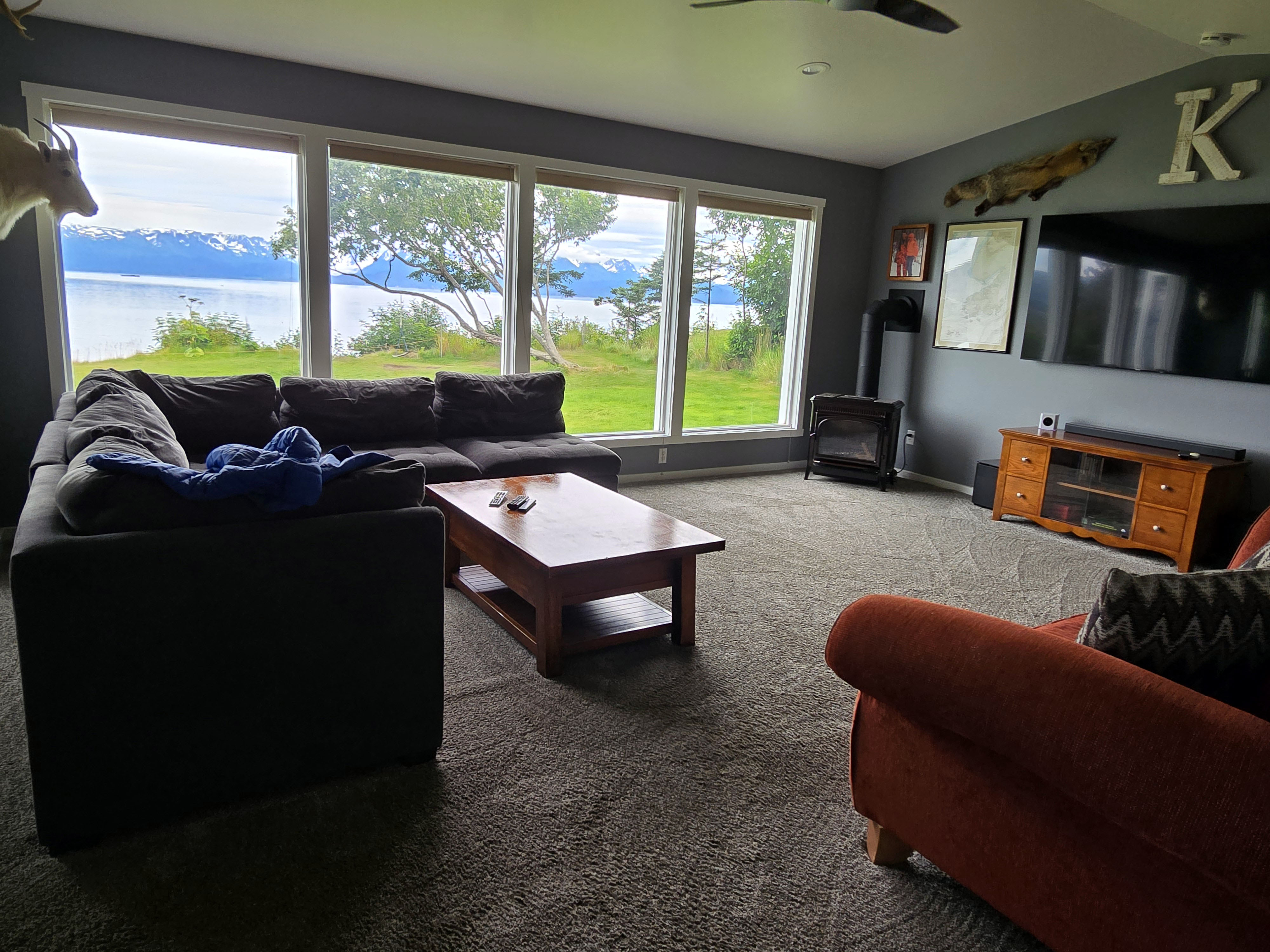
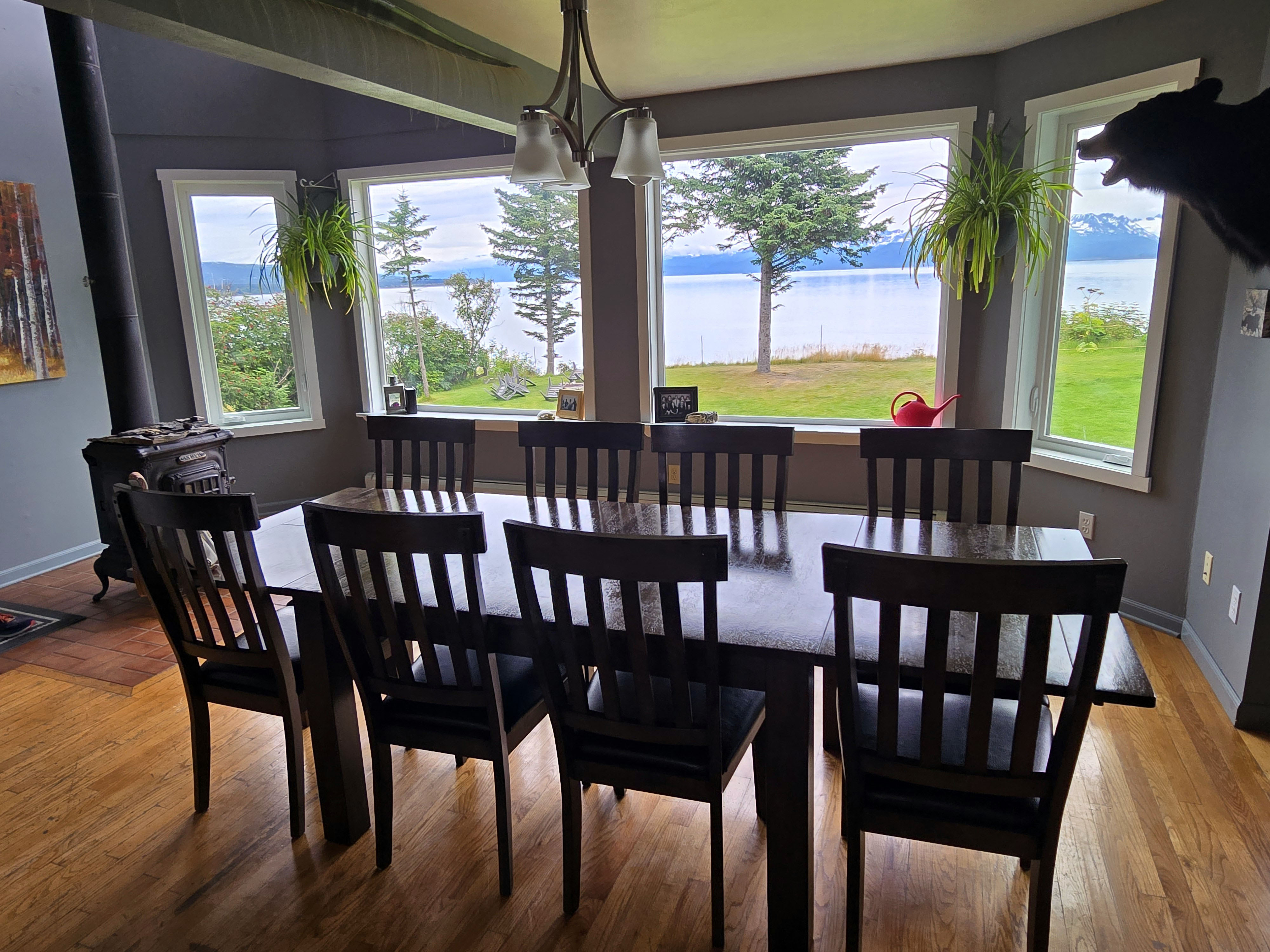
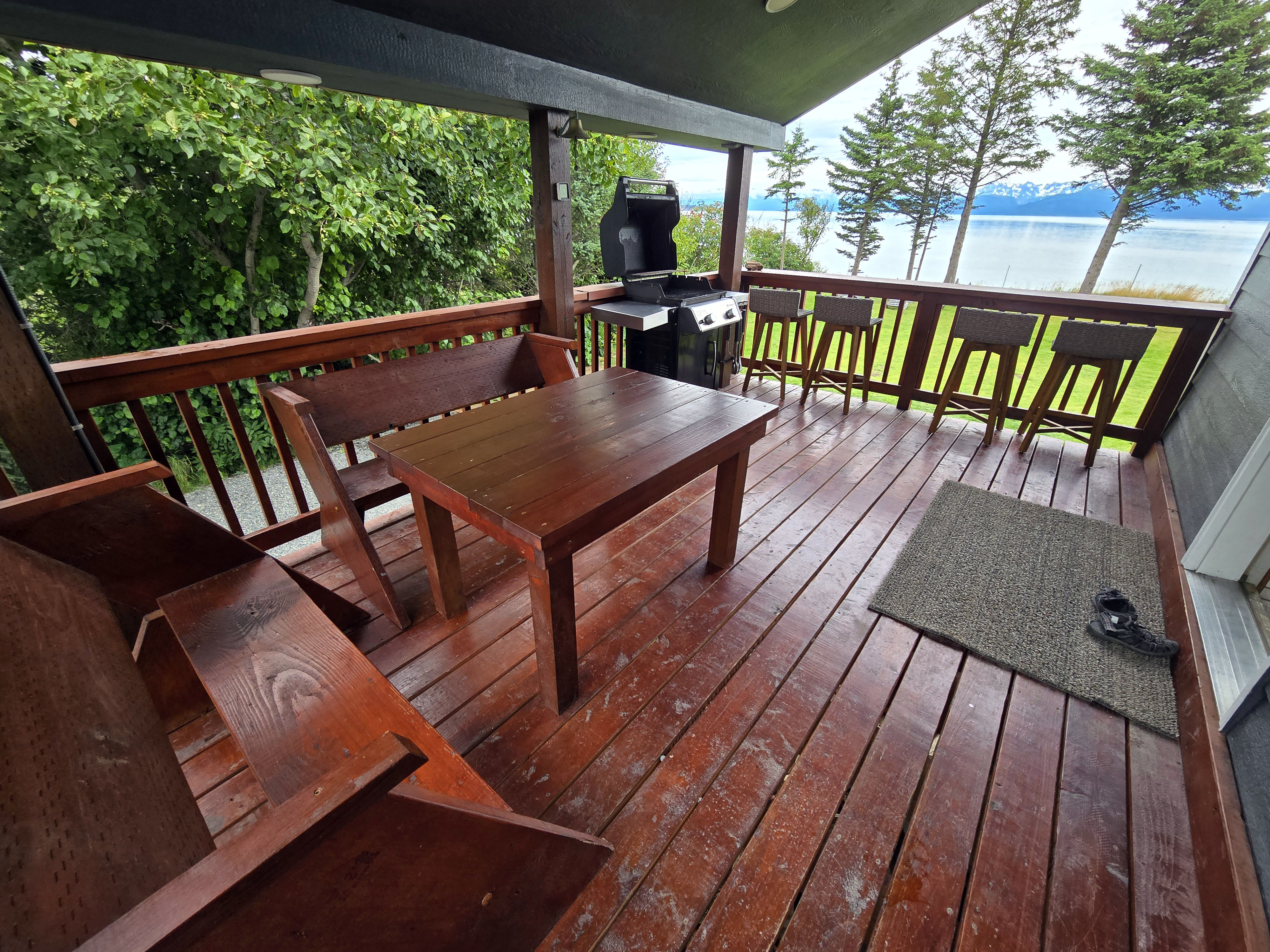
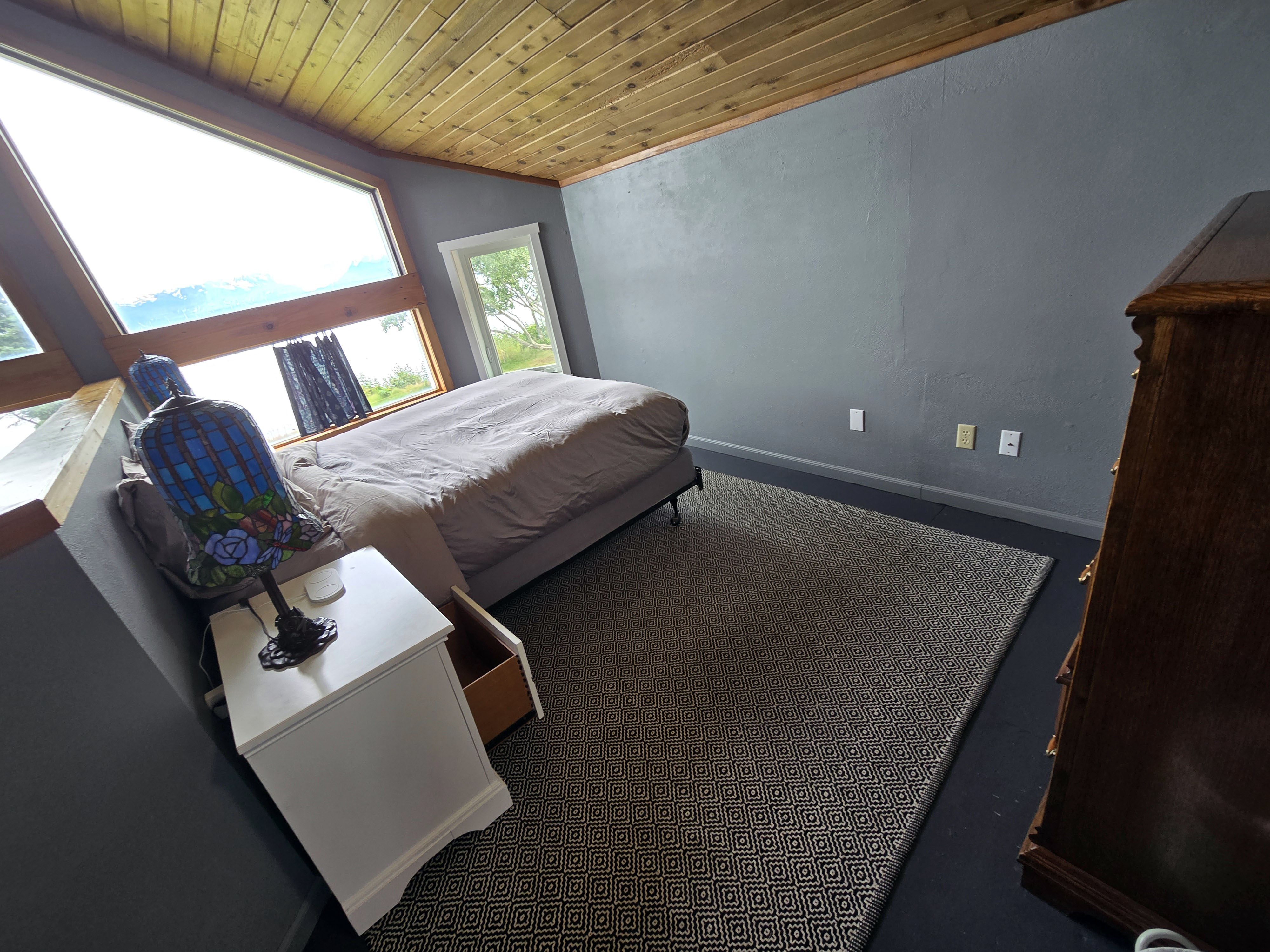
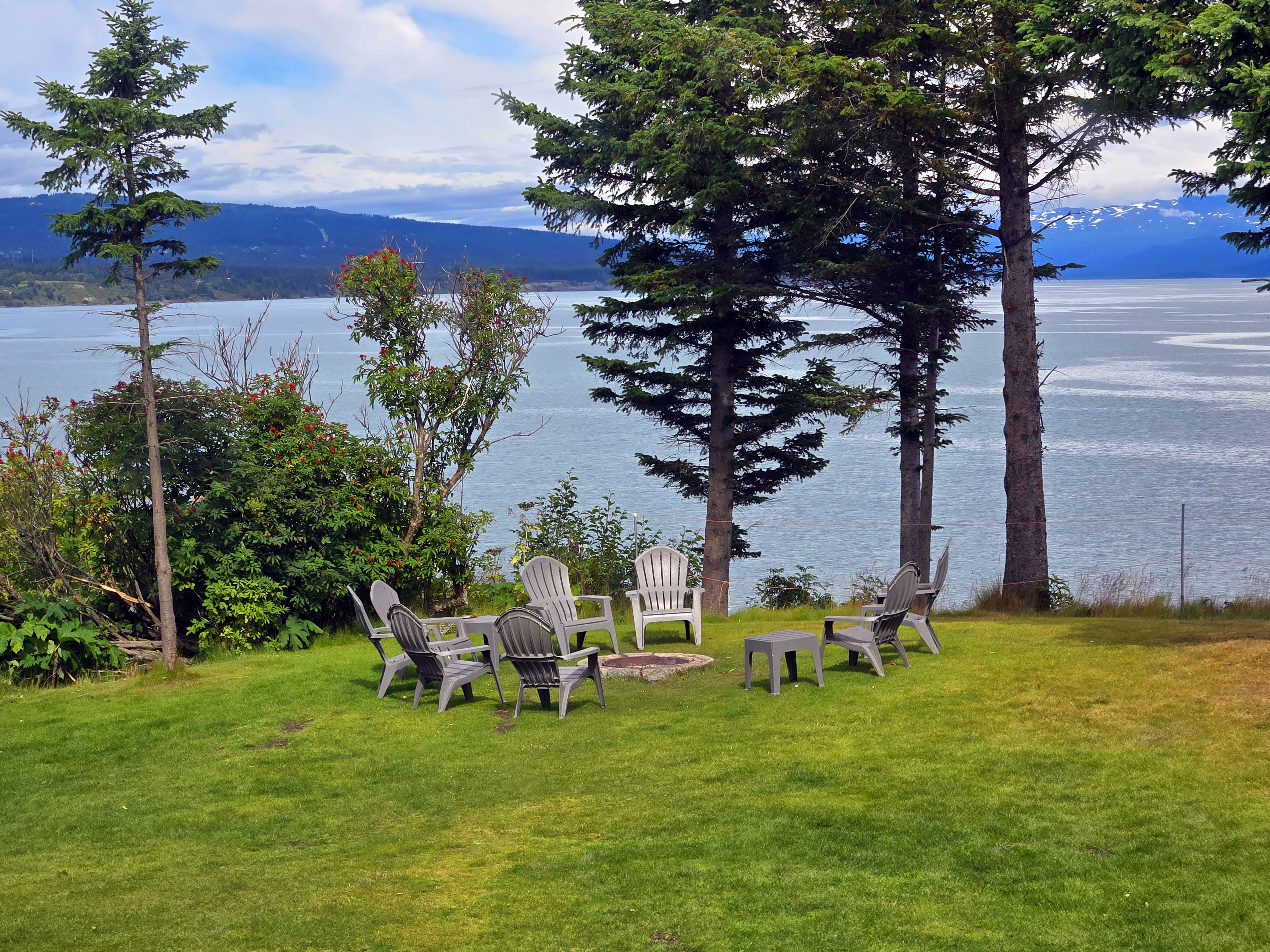
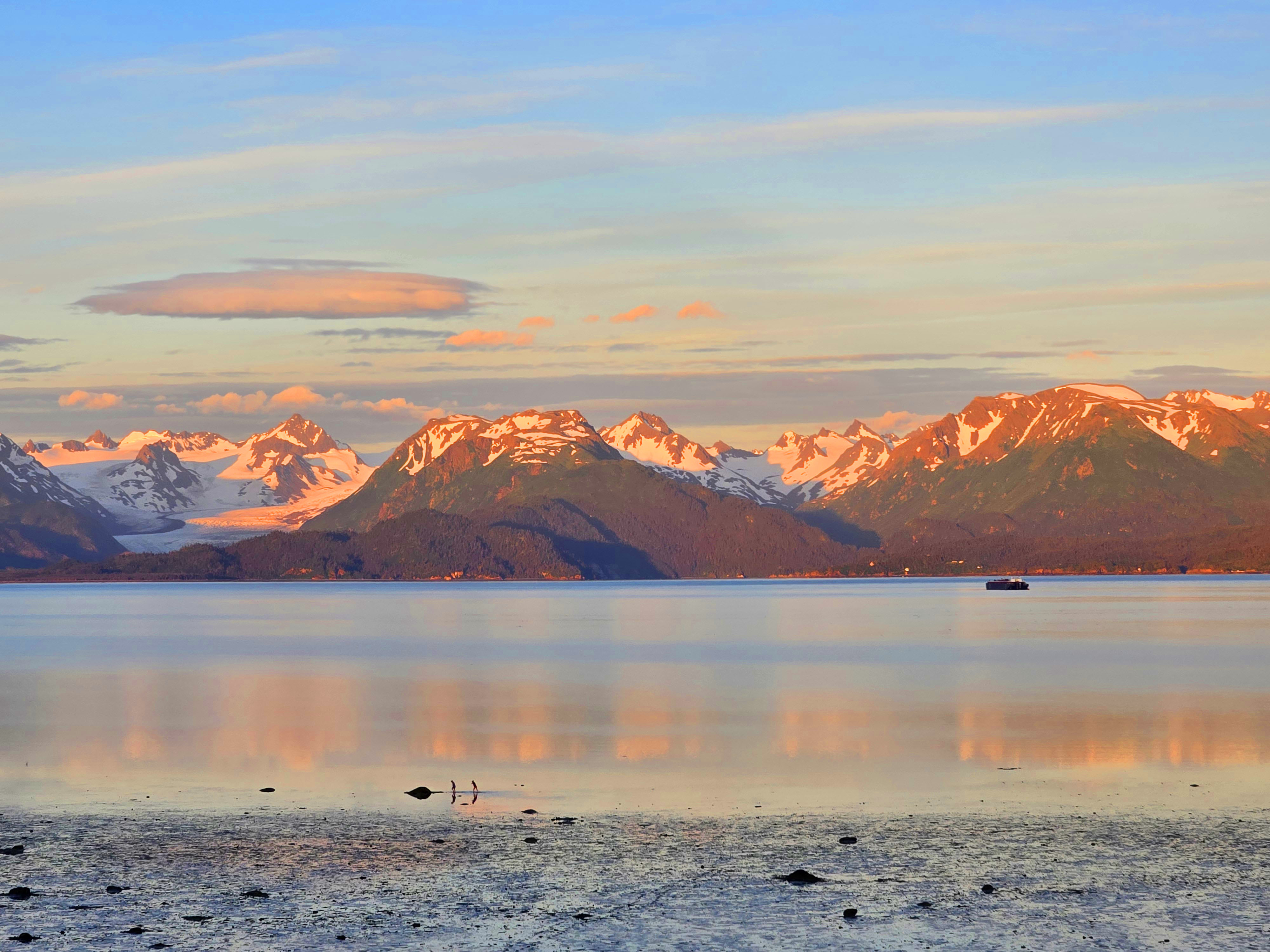
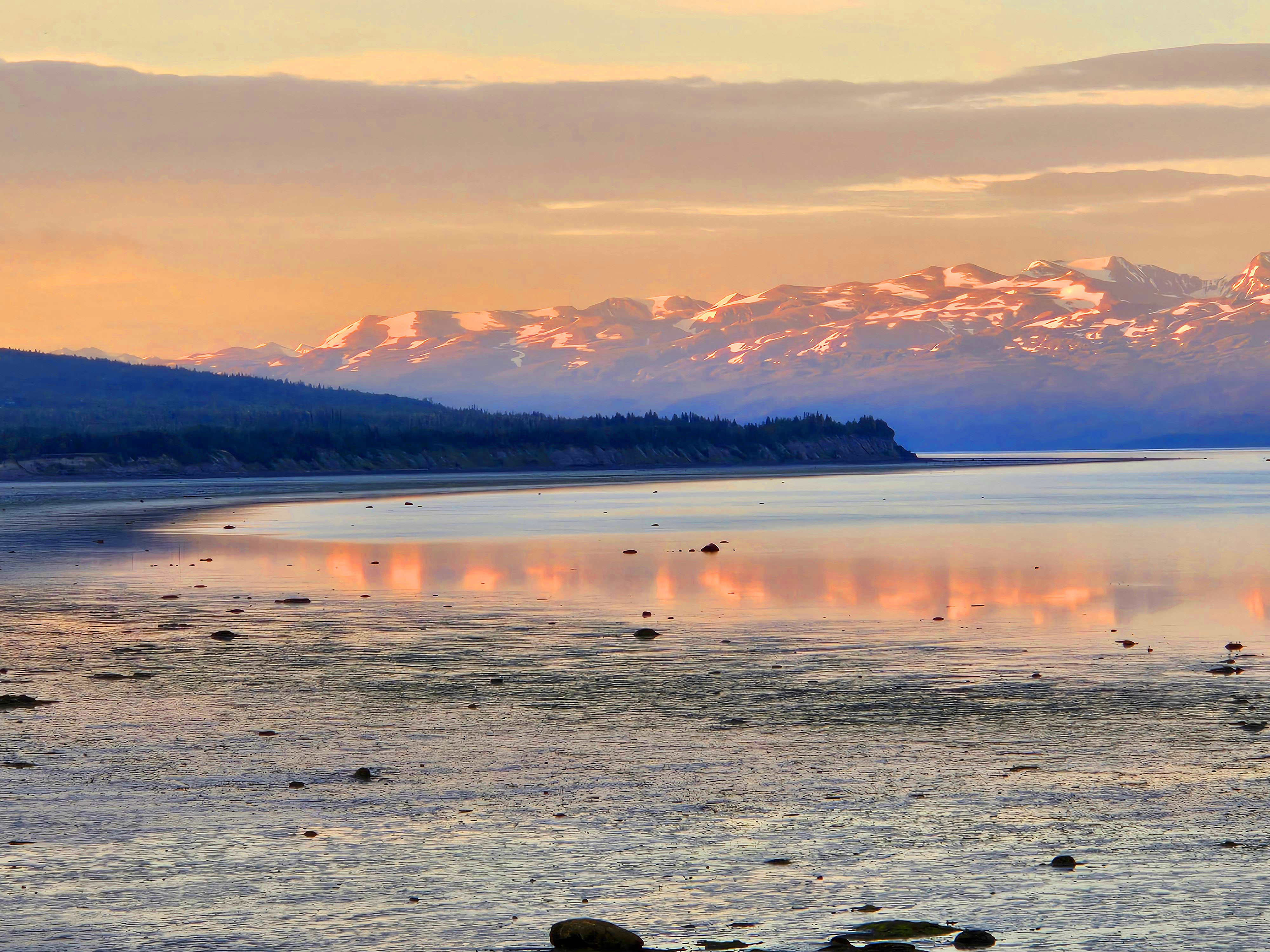
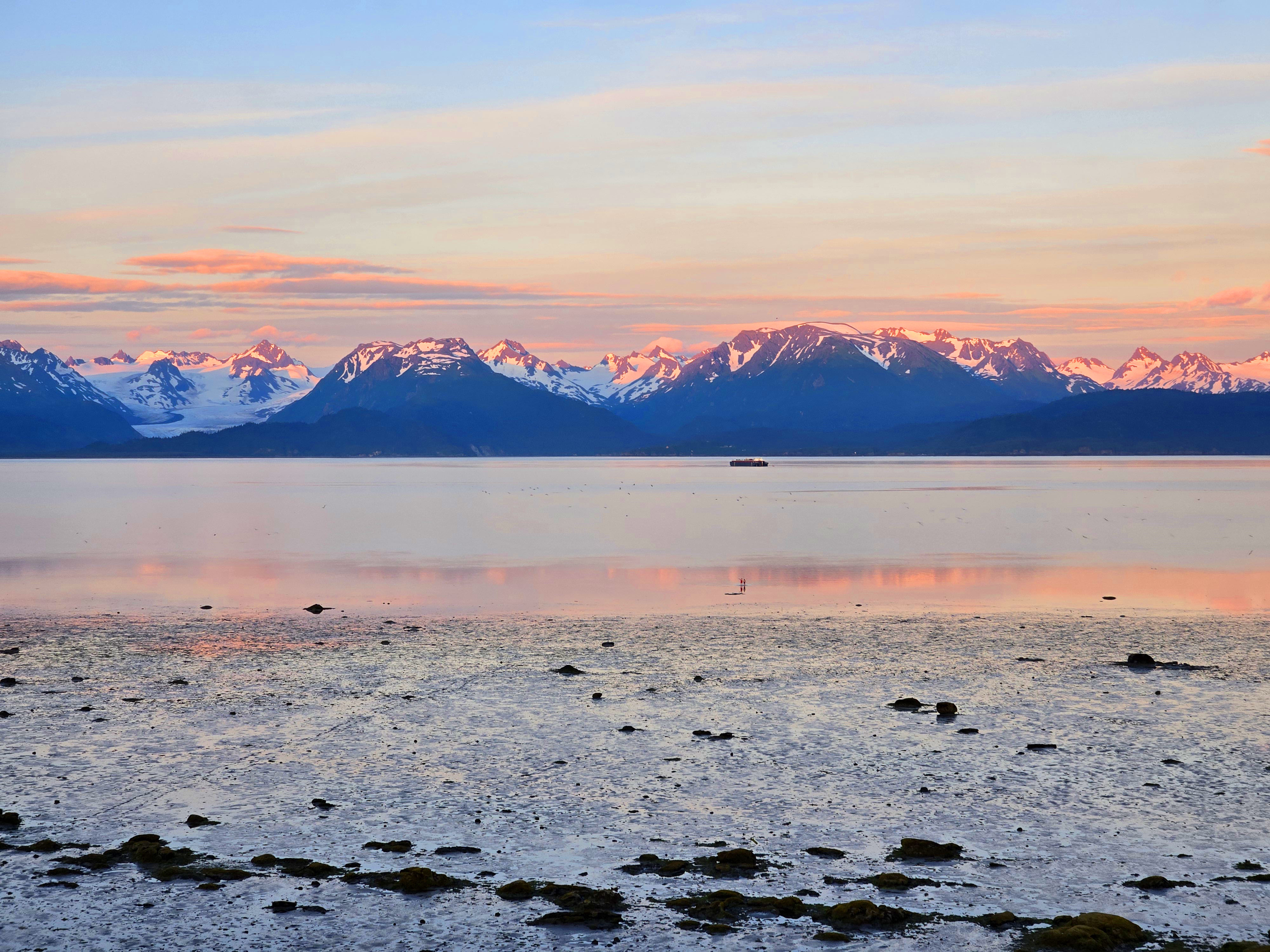
Homer (Kachemak Bay): Our final stay in Homer was, without question, one of the most memorable places we’ve ever stayed. While it wasn’t right in the town center, the location more than made up for it with absolutely breathtaking views over Kachemak Bay, the Grewingk Glacier and other glaciers, and the distant Alaska Range. The scenery was so serene and mesmerizing that we constantly found ourselves stopping just to stare. It was truly hard to look away. Large windows brought the views directly into the house, and the huge backyard offered an equally stunning vantage point, overlooking the bay and glaciers beyond. Whether we were inside or sitting outside, the landscape felt immersive, peaceful, and almost unreal. Watching the light shift across the water and peaks throughout the day was one of the most calming experiences of the entire trip. The outdoor space was especially special. There was plenty of seating outside, and the property had resident chickens that you could feed, along with numerous rabbits–around eight to ten of them, roaming the neighborhood all day. Seeing rabbits of different colors grazing in the yard and nearby areas was delightful, especially for kids, and added a charming, almost storybook feel to the stay. The house itself had three bedrooms and two bathrooms including a loft-style master area, offering plenty of space. Beds were comfortable, and there was a TV in the living room for shared downtime. However, the open loft-style master was ultimately not usable for sleeping. It had large glass windows with no blackout coverage, very little privacy, and became extremely warm, so no one chose to stay there. Thankfully, we had an extra bedroom, which worked out well. One thing worth keeping in mind is that the house had multiple levels and quite a few stairs, when moving between different areas of the home. While this wasn’t an issue for us, it could be inconvenient for elders or anyone who may not be comfortable going up and down stairs frequently, especially given how often you’ll want to move between the living spaces and the outdoor viewing areas. Even with these drawbacks, the views, tranquility, and outdoor experience made this stay extraordinary. It was the perfect place to slow down, reflect, and end our Alaska journey on a deeply peaceful and awe-filled note.
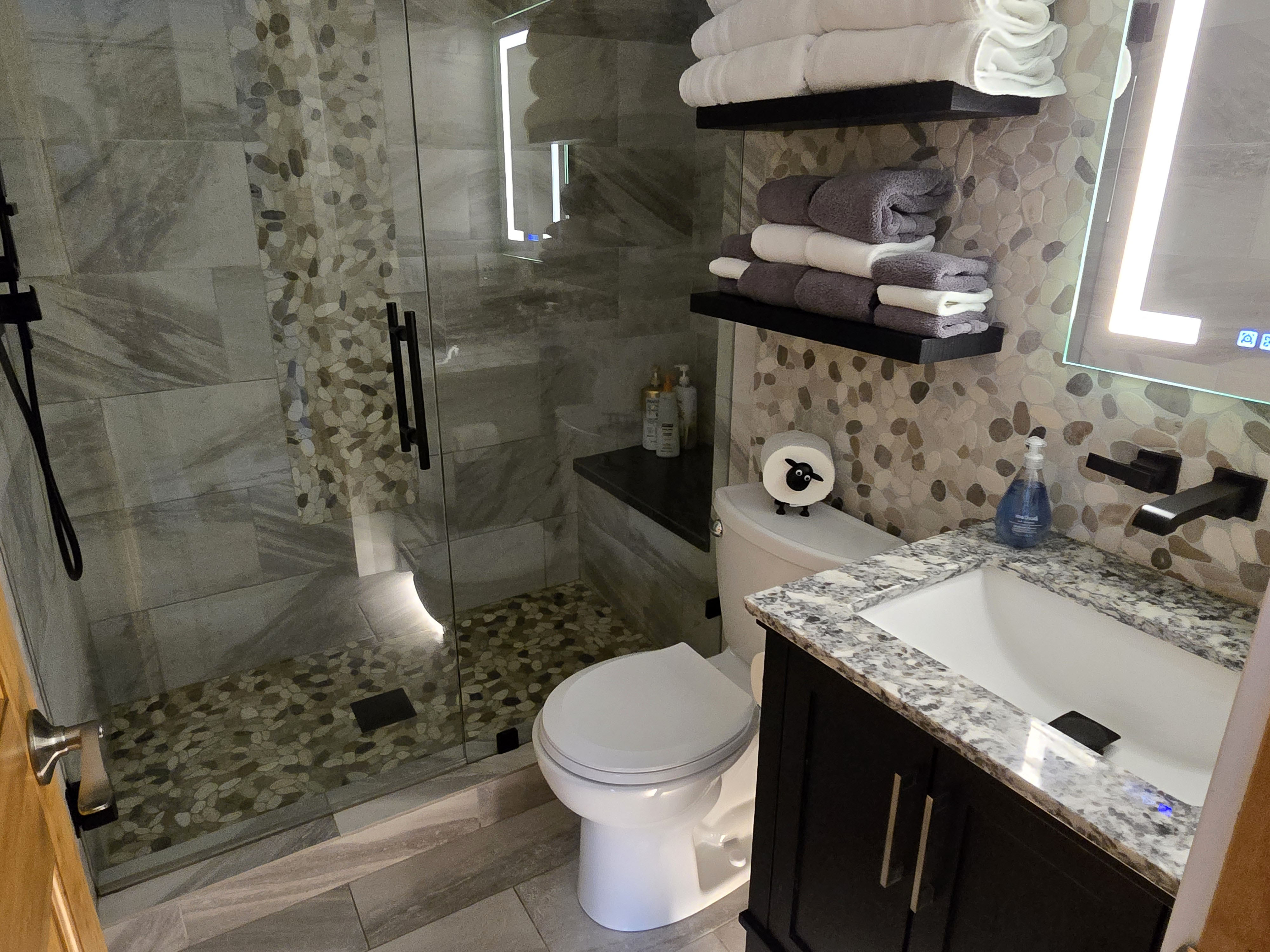
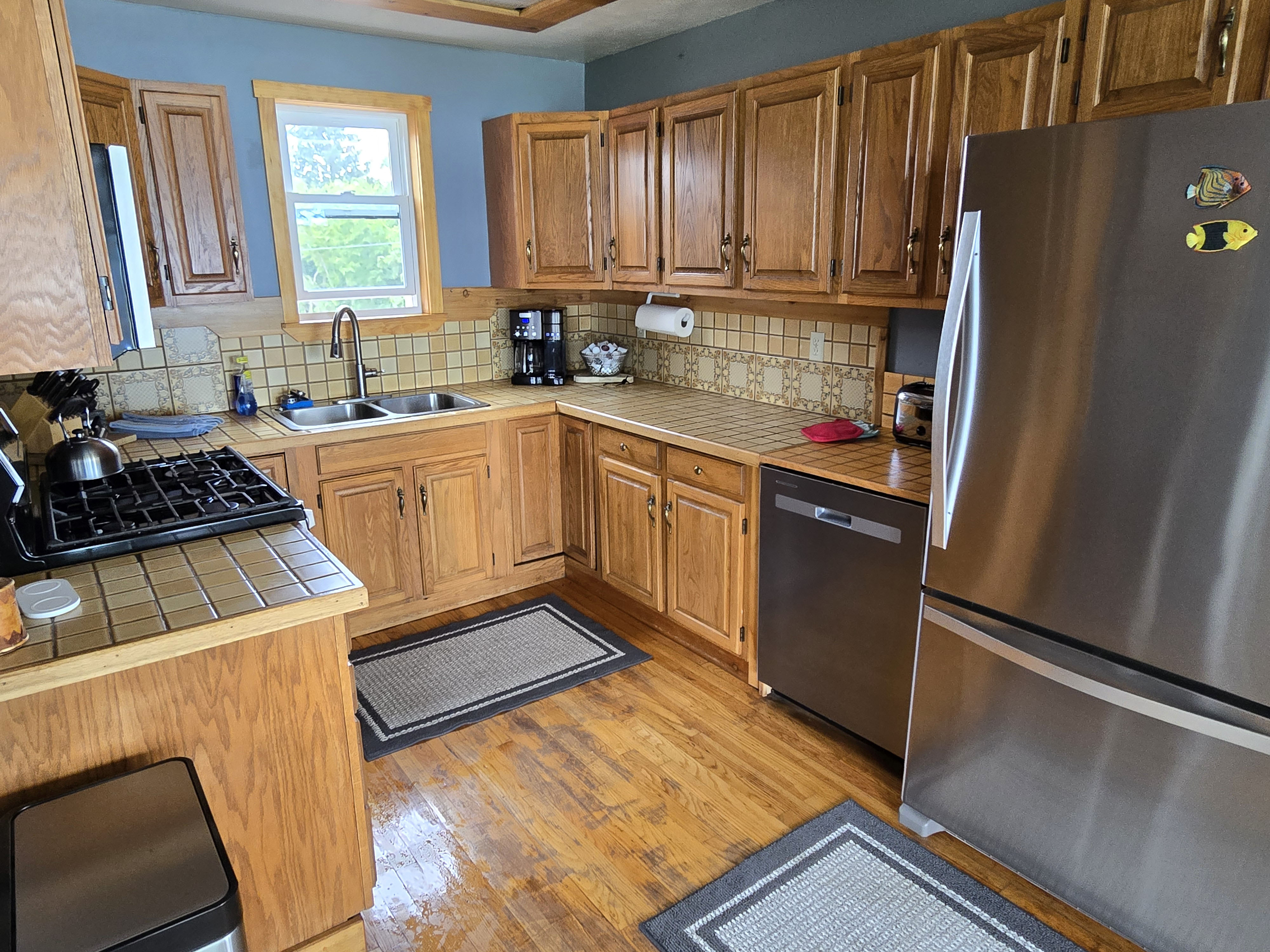
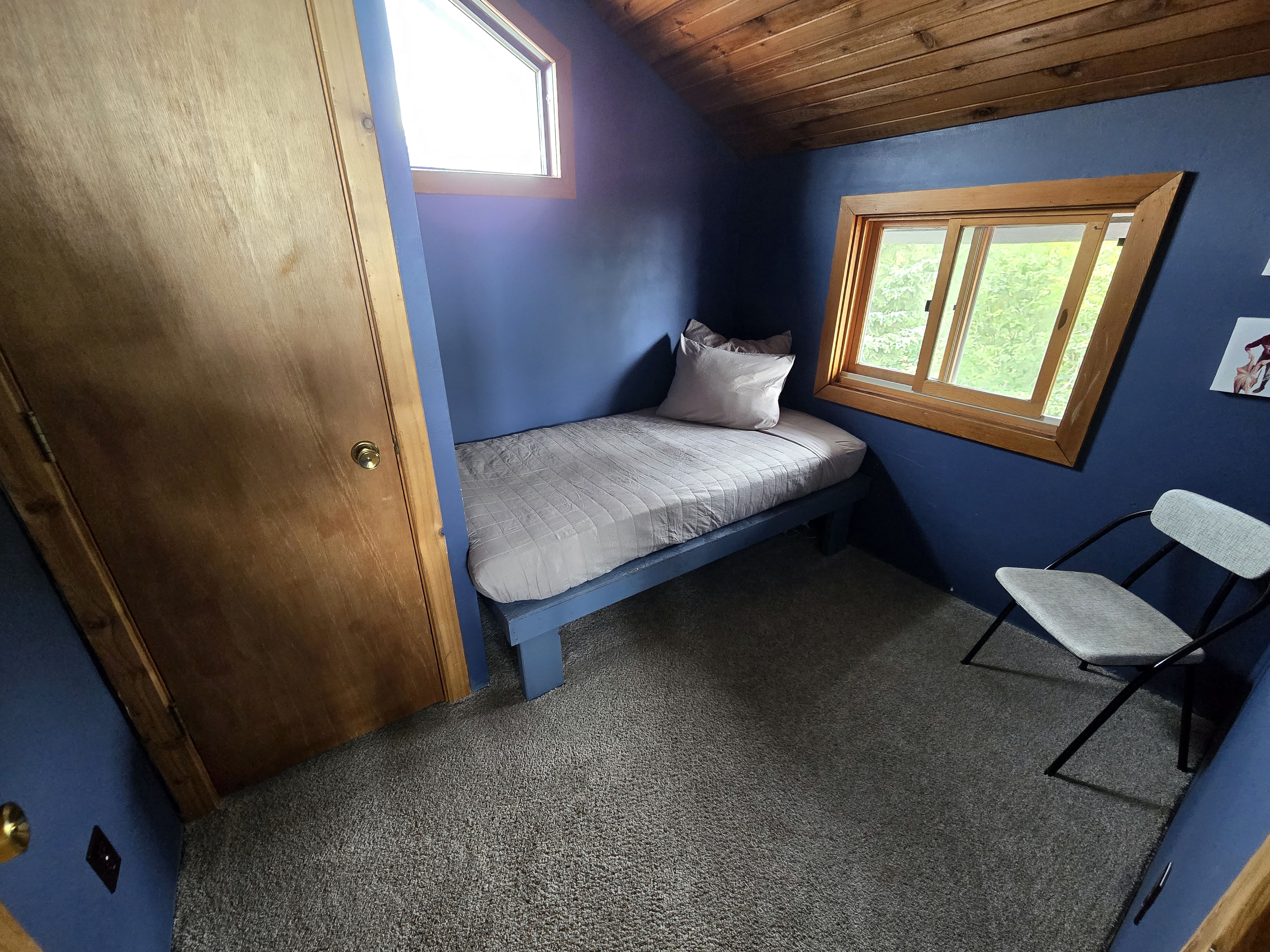
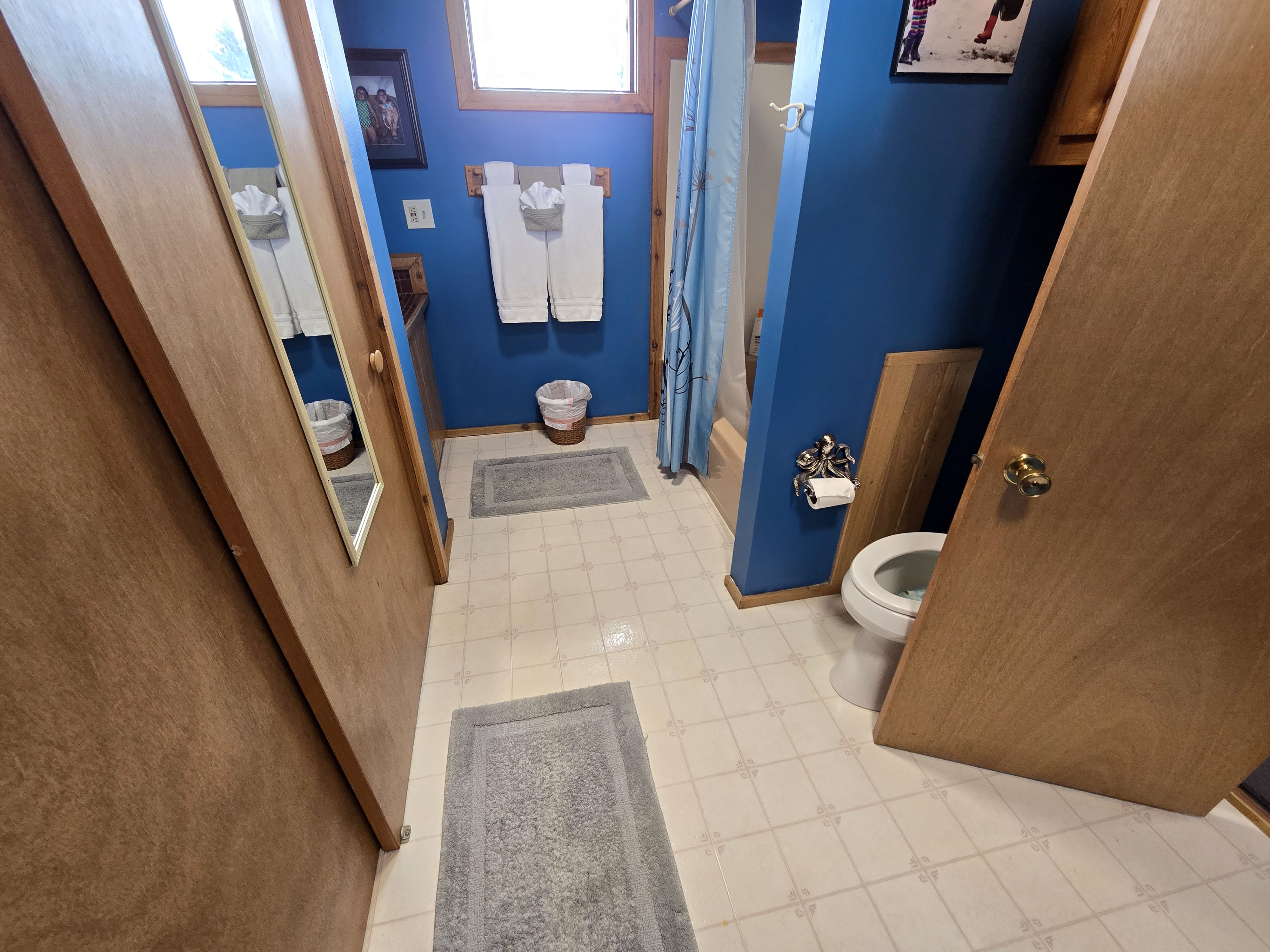
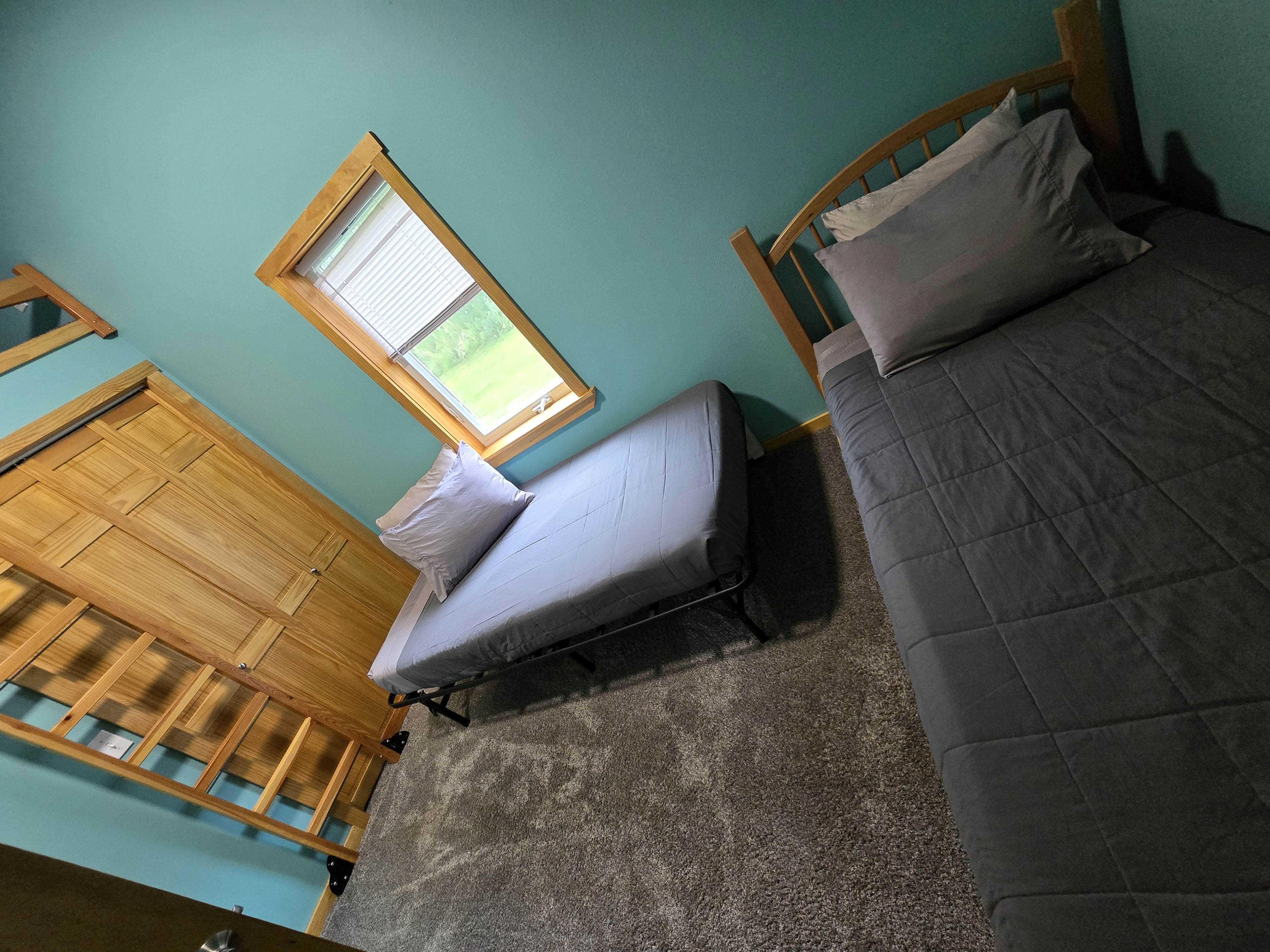

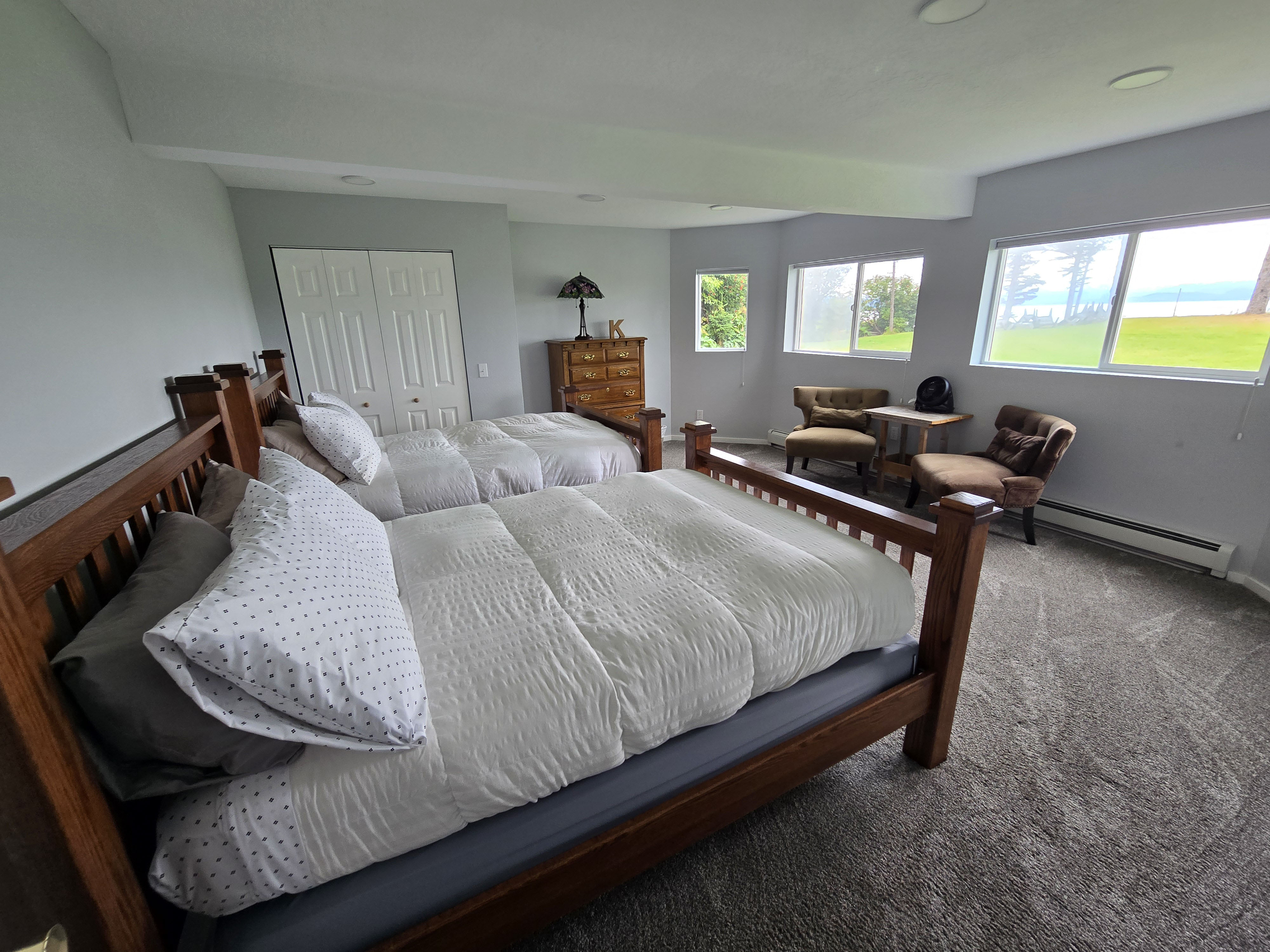
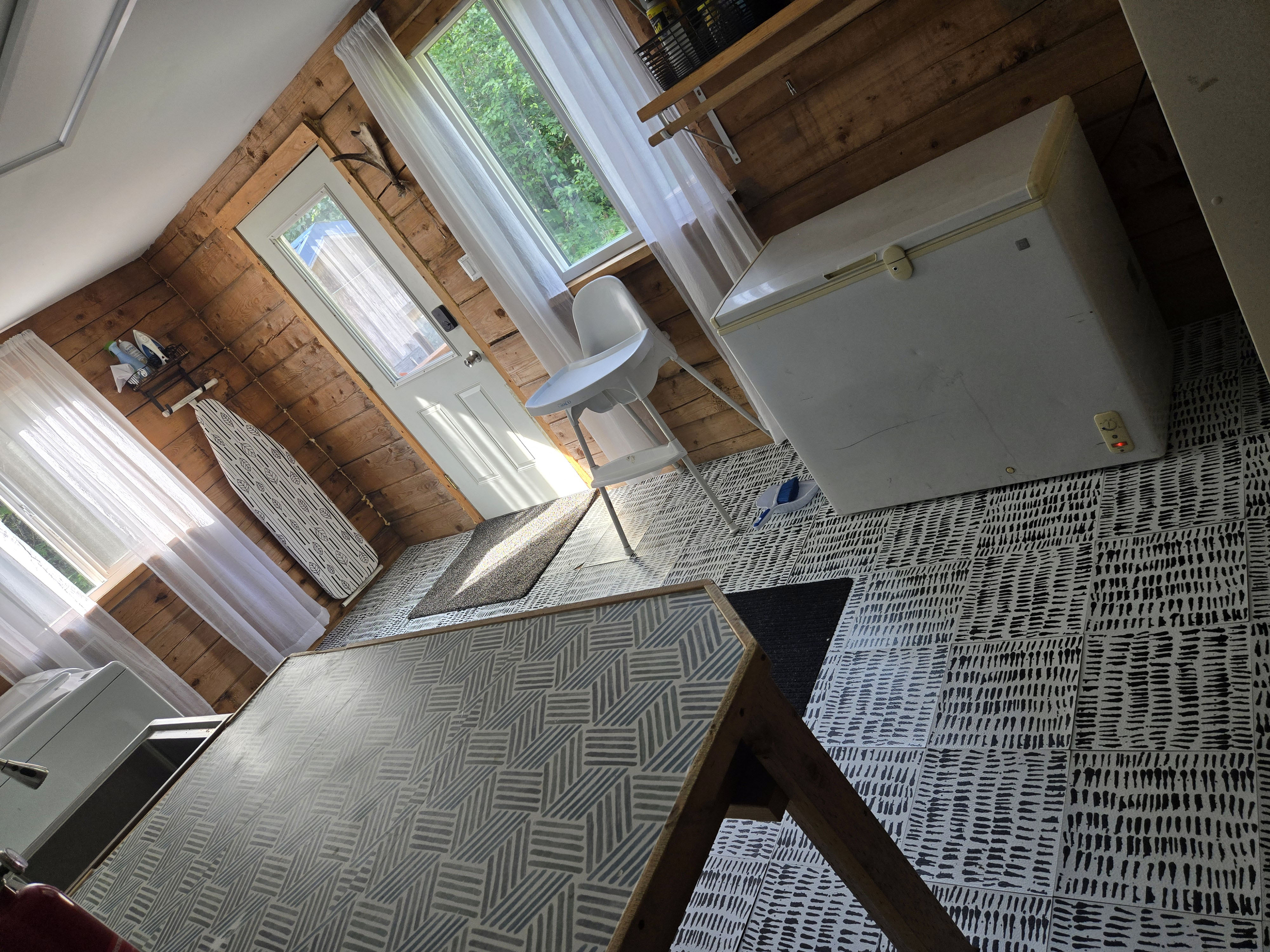
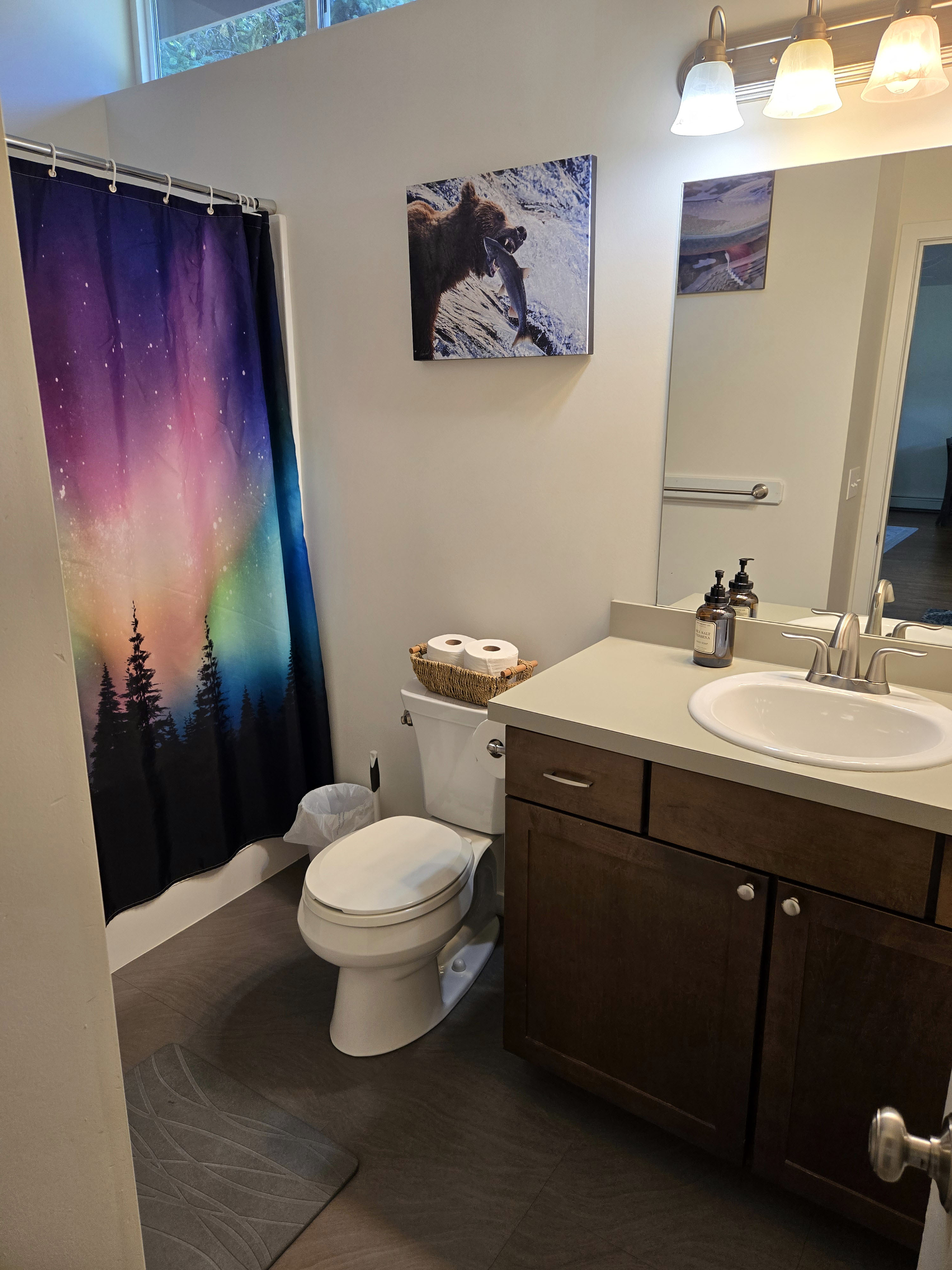
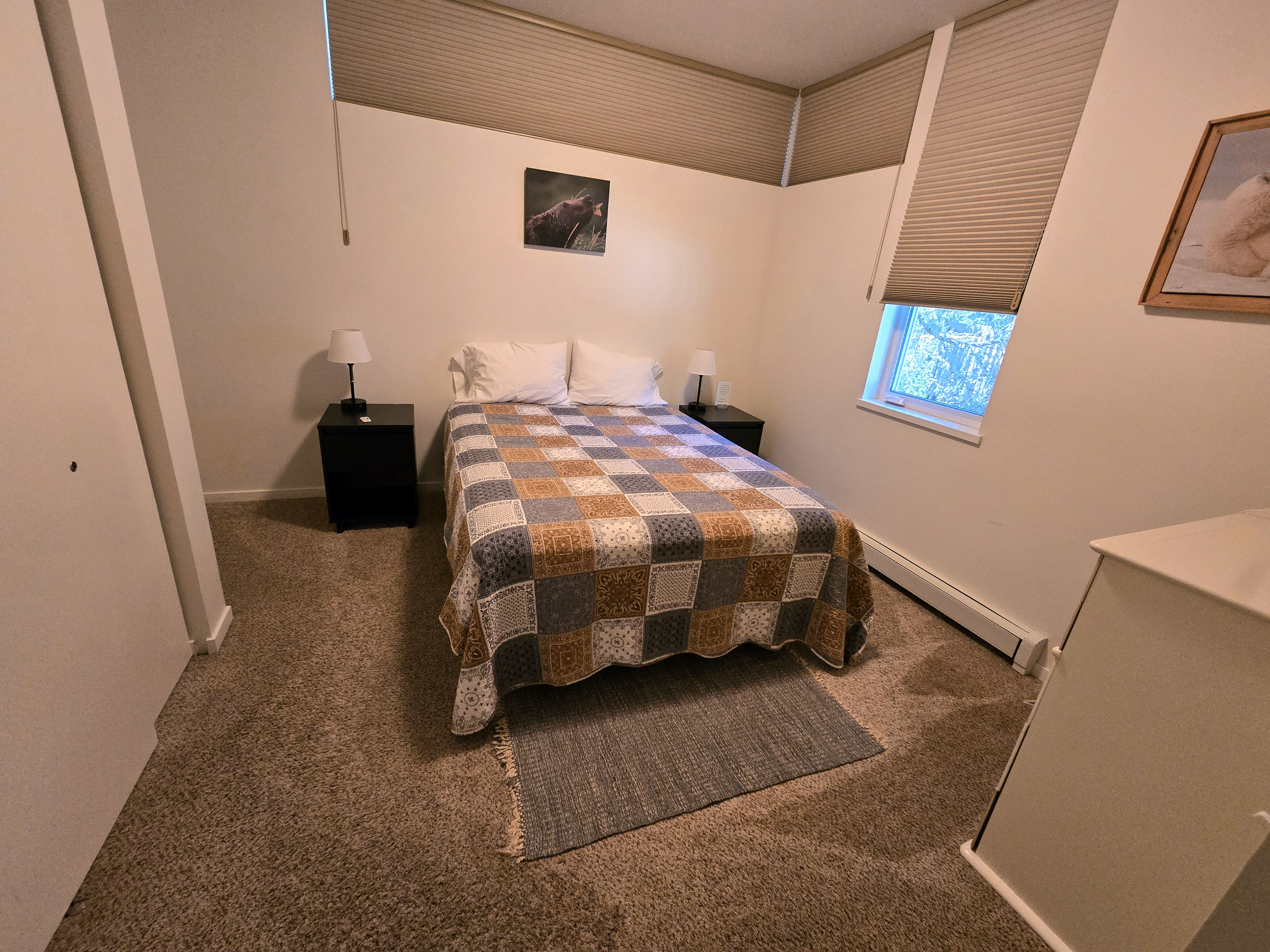
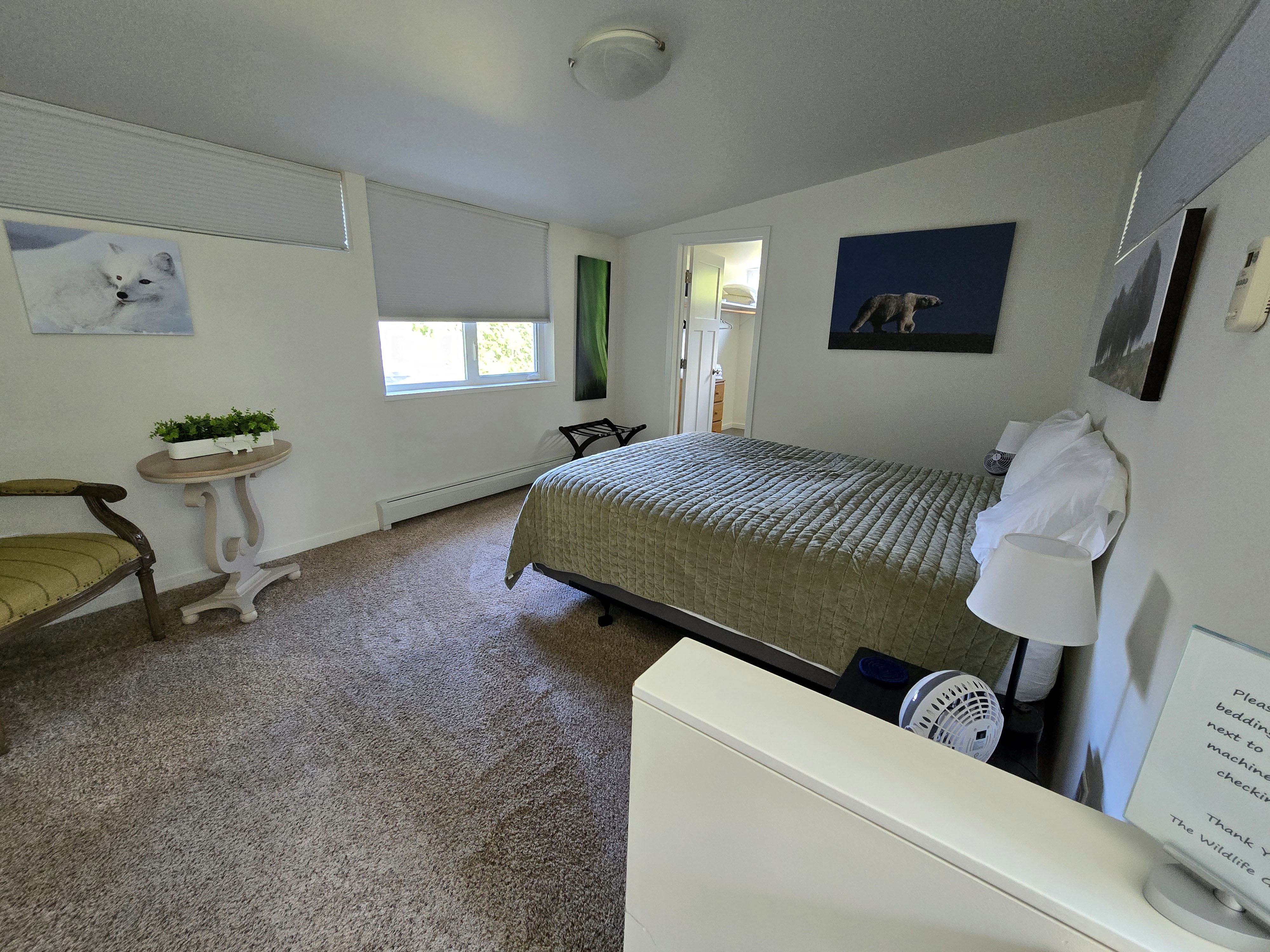
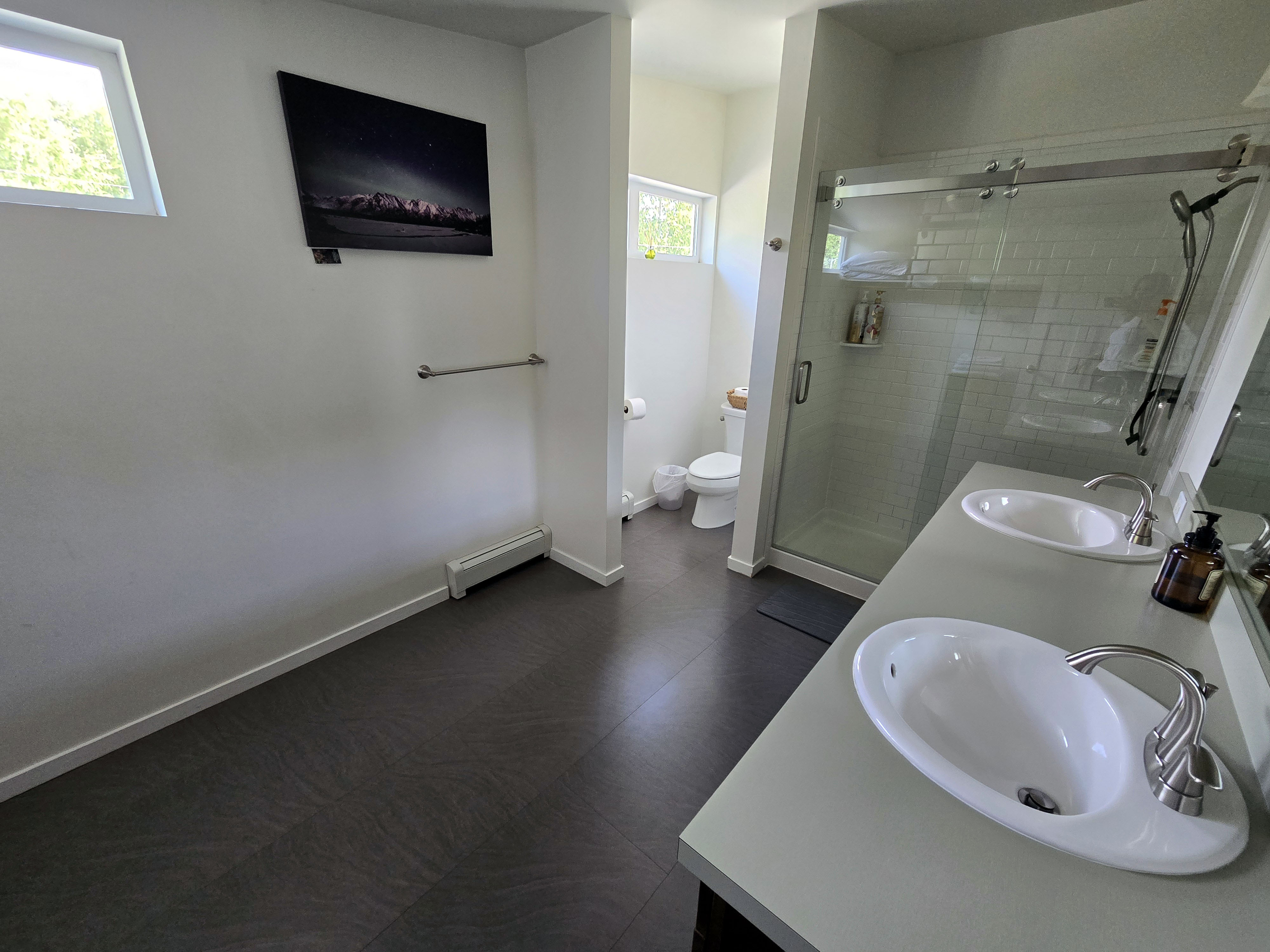
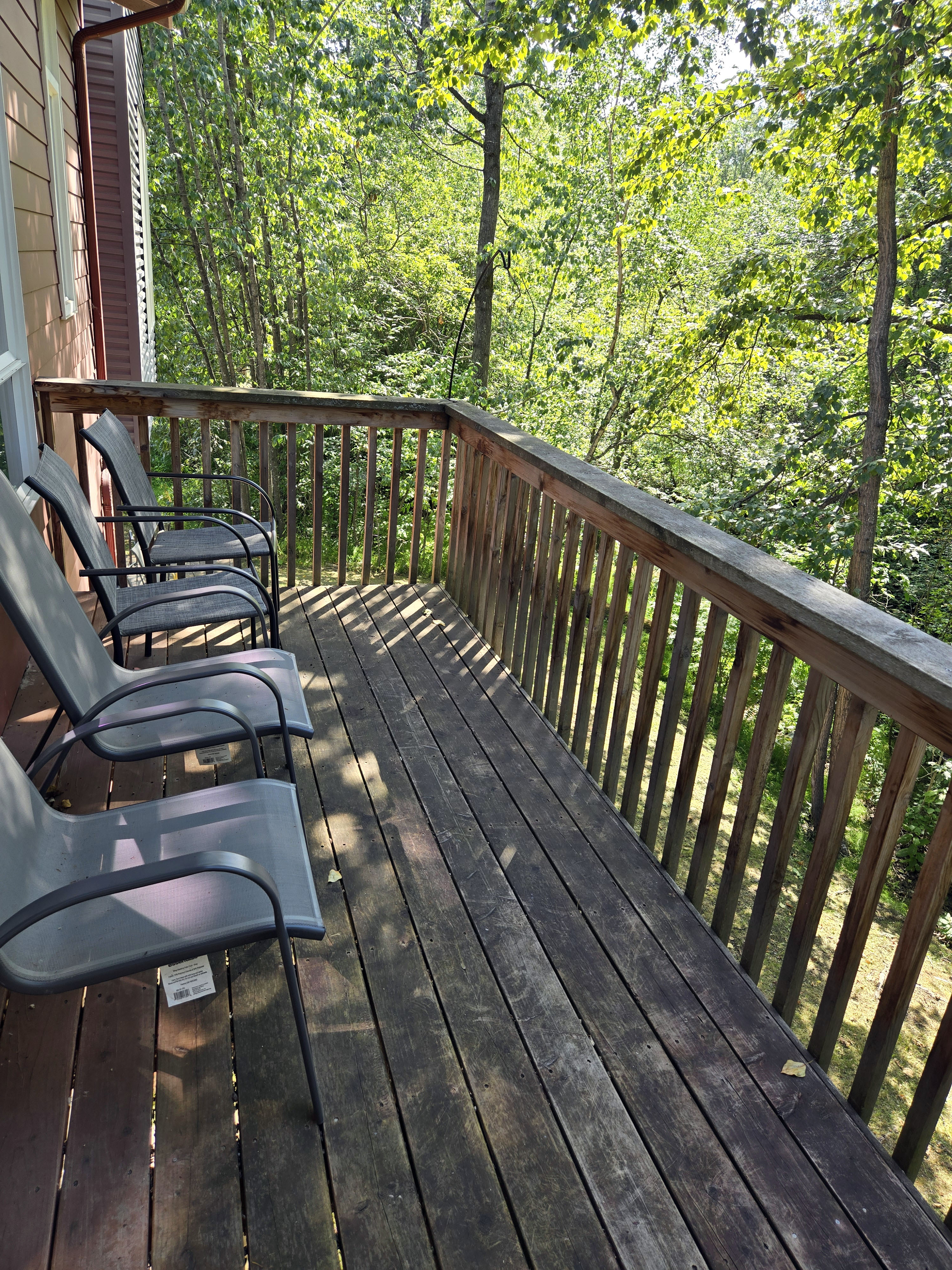
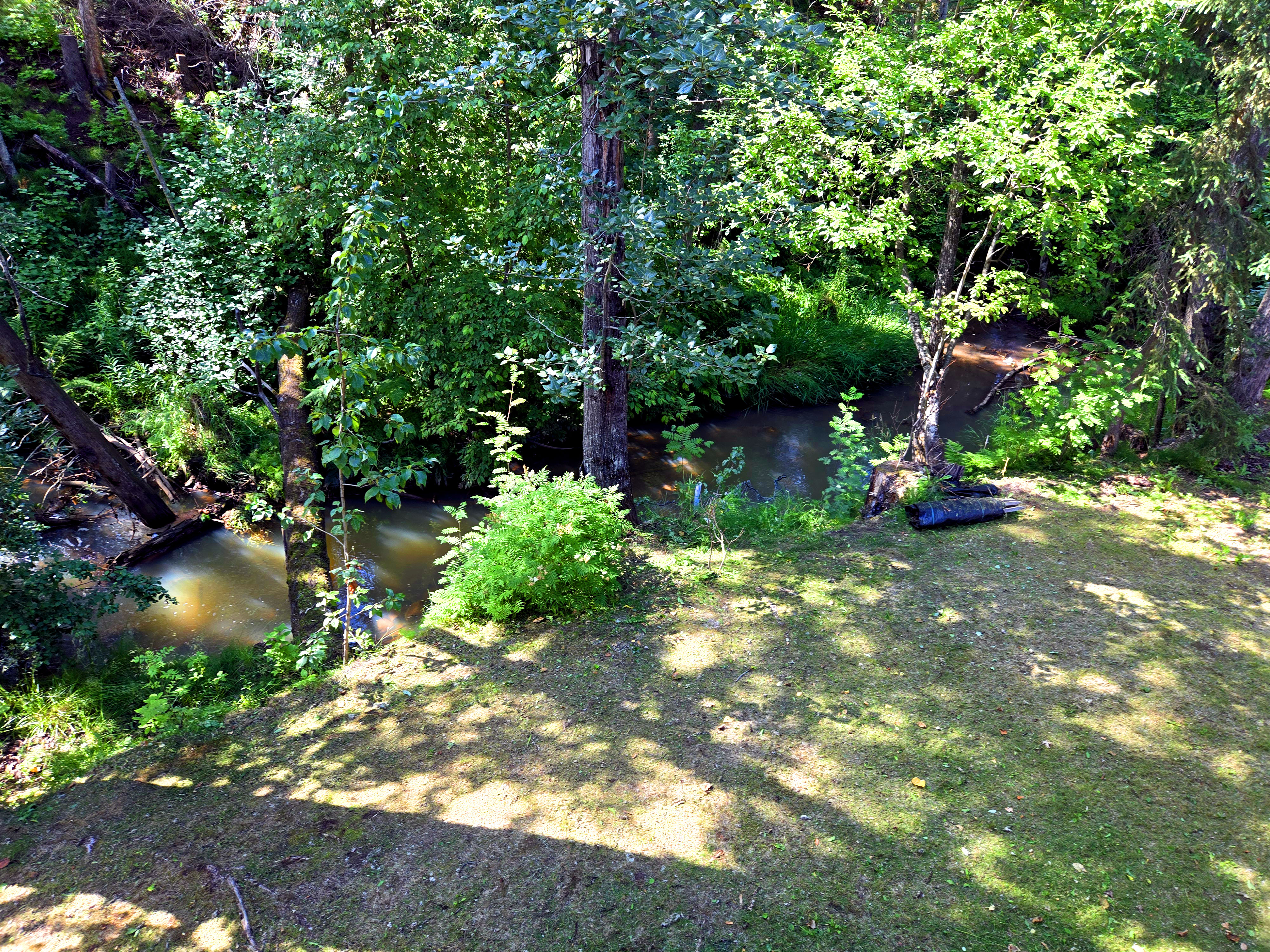
Anchorage (Last Night Before Departure): We also stayed one final night in Anchorage before flying out, choosing a location that balanced convenience and calm. The house was about 15 minutes from the airport, which was ideal for an easy departure day, while still being close to grocery stores, gas stations, and restaurants for a relaxed final evening. The home itself was a comfortable three-bedroom, two-bathroom house with plenty of space for our group. One of the nicest features was that it overlooked a small creek, which added a quiet, tranquil feel… a lovely contrast to travel-day logistics and a peaceful way to wind down after an active trip. The house had a washer and dryer, which was incredibly helpful for doing a final round of laundry before heading home. Overall, it was spacious, practical, and very comfortable, and we didn’t have any notable complaints. It worked perfectly as a low-stress, convenient final stop to wrap up our Alaska journey.
ATTRACTIONS
Anchorage
Anchorage is often treated as a transit stop on the way to Alaska’s bigger wilderness experiences, and that’s exactly how we approached it as well. We spent two nights in Anchorage, which gave us one full day for sightseeing, but we were intentional about keeping that day relatively light. After a long journey and crossing time zones, we used this time to regroup, relax, and recover from jet lag, knowing that the rest of our trip would be far more active and packed with early starts and long days. Rather than trying to see and do everything Anchorage has to offer, we chose just one main activity for the day and left the rest unplanned. This slower pace worked really well for us and helped us ease into the trip without feeling rushed or overwhelmed.
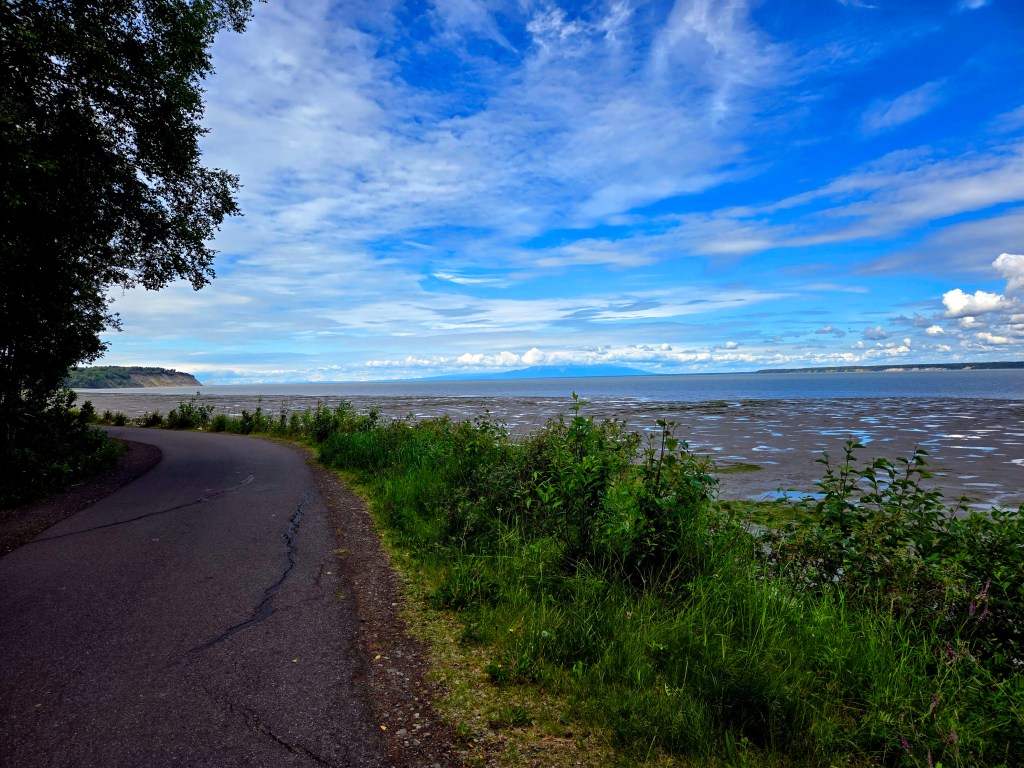
A) Tony Knowles Coastal Trail and Earthquake Park: One of the main things we did in Anchorage was walk a portion of this trail which is often described as one of the highlights of Anchorage. We parked across from Elderberry Park, where there is convenient public parking, and started our walk from there. From that point, we walked toward Earthquake Park and then turned back, covering roughly six miles round trip. While this is still a decent amount of walking, it felt manageable and relaxed rather than rushed, which was exactly what we wanted for our first full day in Alaska. The trail itself is very easy and fully paved, making it suitable for walking, biking, or even e-biking. We saw plenty of cyclists and families along the way, and in hindsight, biking would likely have been the better way to experience it. The walk was pleasant, especially with good weather, but we personally found it a bit overhyped compared to coastal trails we’ve experienced elsewhere. While there are ocean views along the route, the water is often quite far from the trail due to tidal patterns, and the mountains, though beautiful, felt distant. The greenery along the trail is lush, and there are some lovely homes overlooking the coast, but overall, the scenery didn’t feel as dramatic as we had expected. That said, it was still a nice, low-key way to spend a few hours, especially on a jet-lag recovery day. If you’re short on time in Anchorage, this is something you could easily skip without feeling like you missed out. If you do want to experience it, biking a portion of the trail would likely make it more enjoyable and efficient.
B) Earthquake Park: Our plan was to walk all the way to Earthquake Park, which commemorates the 1964 Great Alaska Earthquake, one of the most powerful earthquakes ever recorded. However, as we approached the area, there was a very strong and unpleasant smell that made it difficult to tolerate being there. Because of this, we ended up turning back before really exploring the park itself, so we didn’t spend time walking through or reading the signage. That said, Earthquake Park is well known for its historical significance, with interpretive signs explaining how dramatically the land shifted during the earthquake. If conditions are better, it’s likely worth a brief stop, especially if you’re already walking or biking the coastal trail.
C) Elderberry Park: This park turned out to be a nice place to both start and end our walk. Beyond serving as a convenient access point to the coastal trail, the park itself is a pleasant space to unwind. There are open grassy areas and a playground for kids, along with benches and picnic spots if you want to relax after your walk. We stopped here cool down and stretch after finishing the hike. Whether you’re traveling with kids or just want a relaxed place to sit for a bit, Elderberry Park is a nice, low-key spot to spend some time before or after the trail.
D) Other Attractions in Anchorage
- Alaska Native Heritage Center : A great place to learn about Alaska Native cultures, traditions, and history through exhibits, demonstrations, and walking trails.
- Alaska Wildlife Conservation Center : Located just outside Anchorage, this is a popular stop to see Alaska’s iconic animals up close, including bears, moose, and bison.
- Eagle River Nature Center: Ideal for short hikes and wildlife spotting, especially if you want a quick taste of Alaska’s wilderness without venturing too far.
- Downtown Anchorage: Worth a stroll for murals, small shops, local restaurants, and views of the Chugach Mountains on a clear day.
- Westchester Lagoon & Point Woronzof: Easy, scenic spots for walking, bird-watching, and catching coastal views close to the city.
- Day Trips from Anchorage: If Anchorage is your base, you could also use it for day trips toward Eklutna Lake, Hatcher Pass, or even the start of the Seward Highway, all of which offer much more dramatic scenery.
Drive from Anchorage to Healy
This day marked the real start of our Alaska road trip. Our final destination for the day was Healy, near Denali National Park, which meant we were in for a long driving day roughly 6.5 to 7 hours total, not including stops. Knowing this, we planned the day carefully, with the goal of breaking up the drive with a few scenic stops early on, followed by the more dramatic drive through Hatcher Pass, a few hours of layover in Talkeetna and then ending the day in Healy. We knew going in that this would be a full day on the road, so we stayed flexible and adjusted plans as needed based on time and energy.
A) Driving Out of Anchorage: Early Stops: Originally, we had planned several short stops not far from Anchorage, including Mirror Lake, Thunderbird Falls, Reflection Lake, and Eklutna Lake. In reality, time moved faster than expected, and we had to be selective. Our only true stop that morning was Mirror Lake, which made for a quick but worthwhile pause. The lake is right off the road and doesn’t require any hiking, making it an easy place to stretch your legs and take in calm reflections of the surrounding trees and sky. It’s a simple stop, but a peaceful one, and worked well given our tight schedule. We also stopped briefly at Thunderbird Falls and began walking toward the trailhead. However, reaching the falls requires a short hike, and once we started, it became clear that continuing would cut too much into the rest of the day. Given the long drive ahead and our planned flightseeing later on, we decided to turn back and move on. Because of these time constraints, we skipped Reflection Lake and Eklutna Lake entirely. Both are places we would have liked to see, but this was a good reminder that on long Alaska drive days, it’s better to choose one or two stops and leave the rest for another trip.
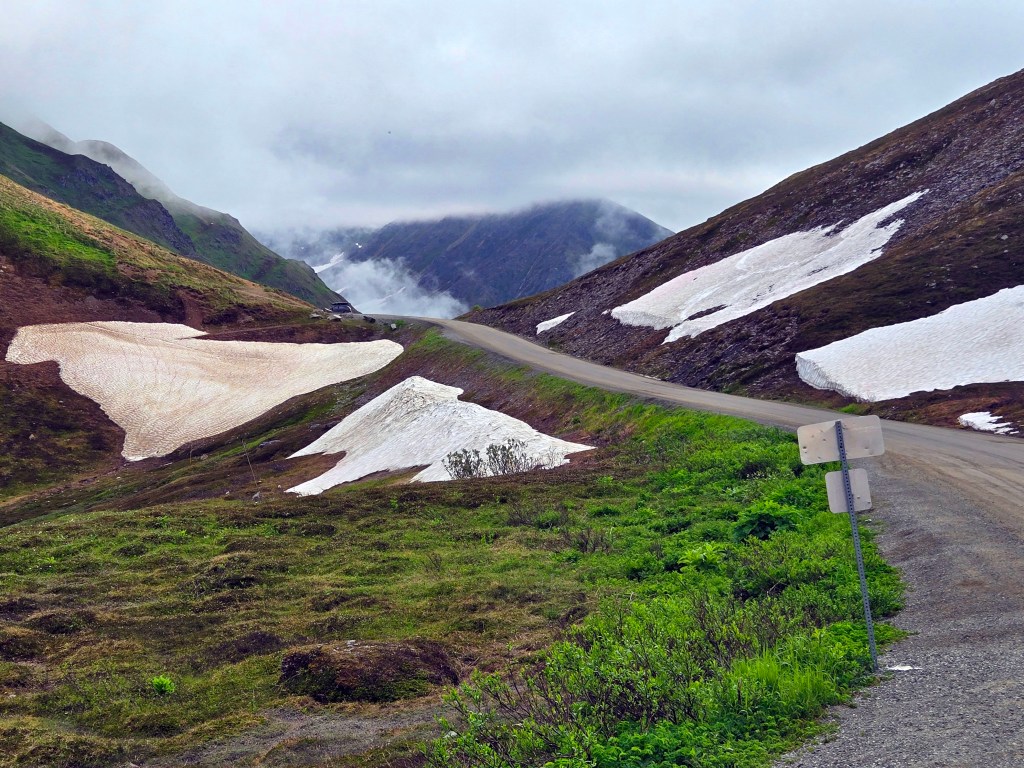
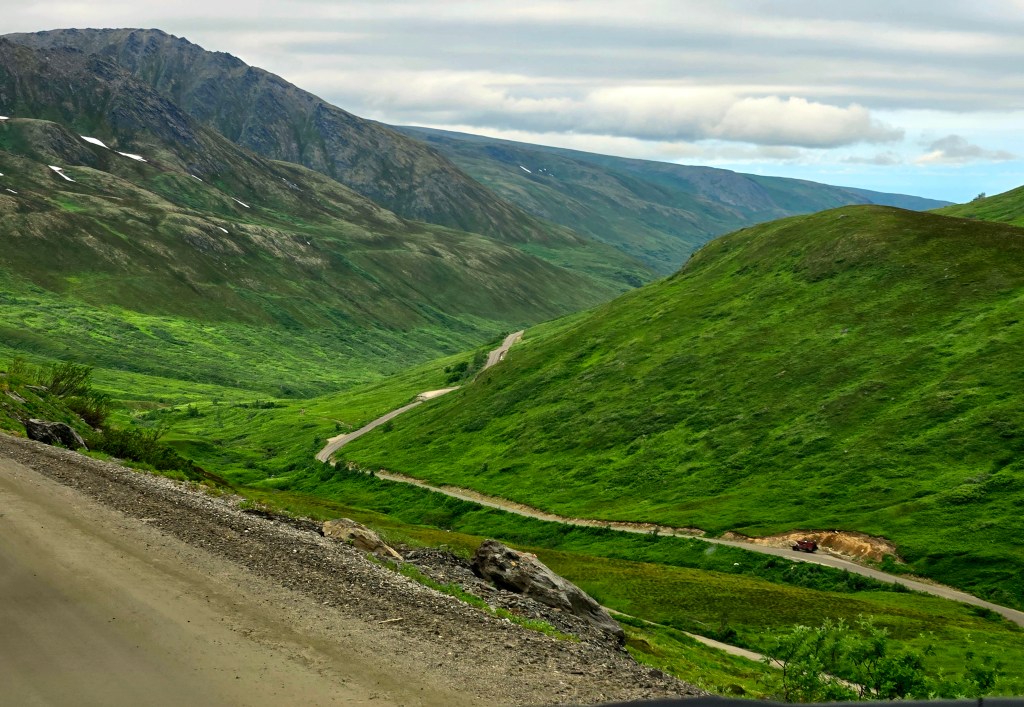
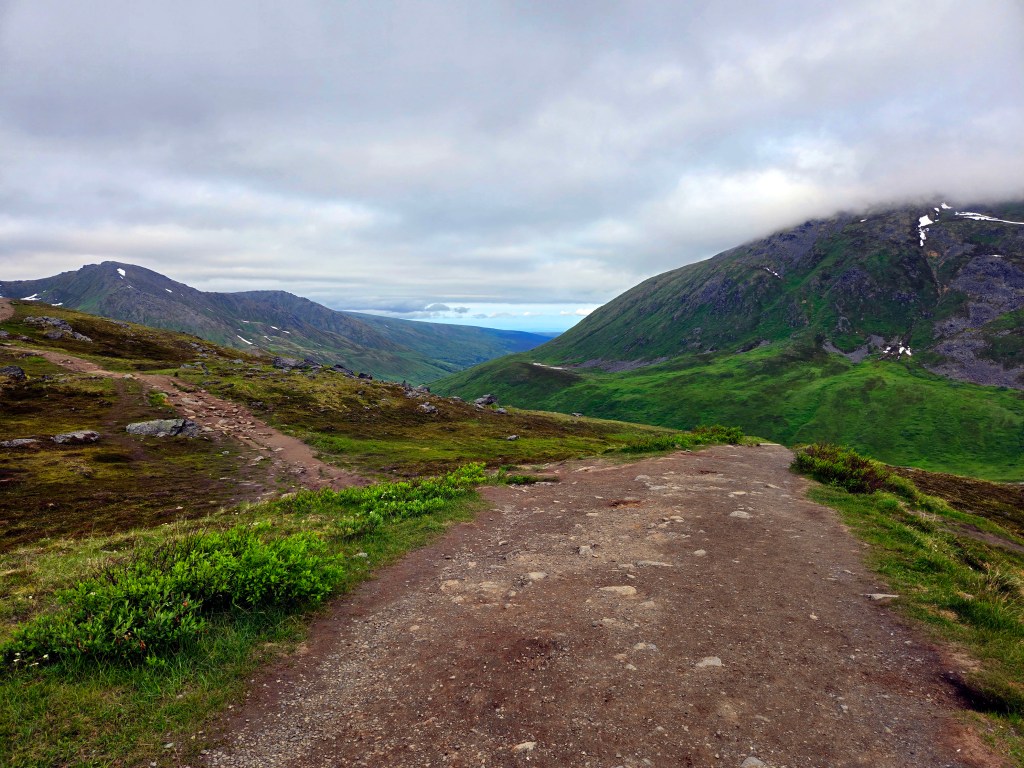
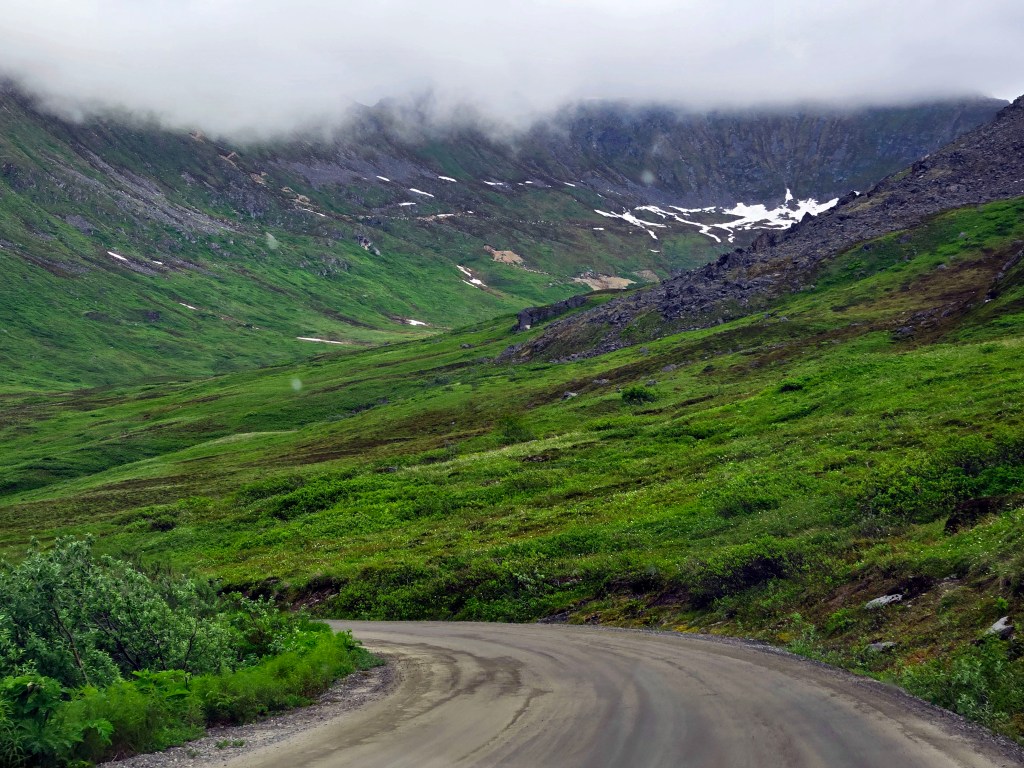
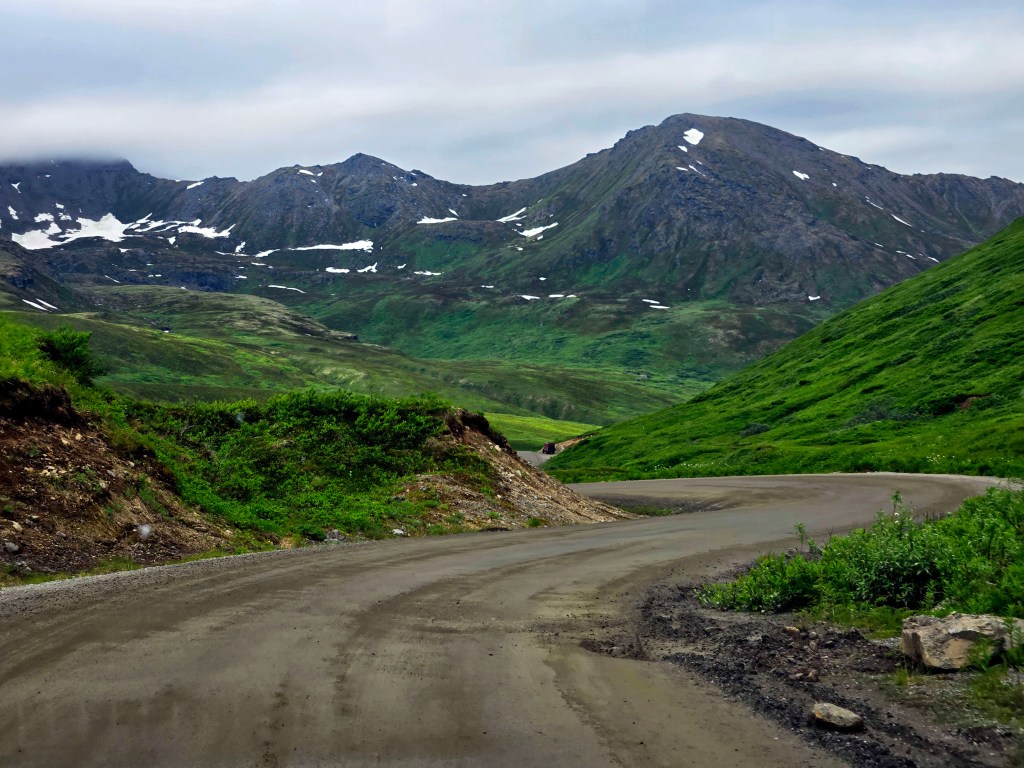
B)Hatcher Pass: Hatcher Pass is a spectacular alpine recreation area located in Alaska’s Talkeetna Mountains, known for its dramatic scenery, rugged mountain terrain, and deep ties to Alaska’s gold-mining history. The drive along Hatcher Pass Road offers sweeping views of jagged peaks, valleys, and tundra-like landscapes, making it one of the most scenic mountain passes in Southcentral Alaska. The upper portion of Hatcher Pass Road is unpaved, with loose gravel, steep sections, and sharp curves. While it’s absolutely drivable, it can feel a bit uncomfortable at times, especially for smaller or low-clearance vehicles. We were glad to have an all-wheel-drive SUV, which made the drive feel much more manageable. That said, we saw a variety of vehicles on the road, and as long as you drive slowly and carefully, it’s very doable. Access to the high-elevation portion of the pass is seasonal, typically open from July through September, depending on snow conditions. The lower areas are accessible year-round and are popular for winter sports. We didn’t stop for any long hikes here, as our priority was making it to Healy before evening. Instead, we drove through the pass and stopped at two scenic pullouts, including one near the top, to take everything in. Even without hiking, the views were stunning and absolutely worth the drive. Hatcher Pass is also home to Independence Mine State Historical Park, which preserves remnants of Alaska’s gold rush era. This area is popular for hiking, photography, berry picking in late summer, winter skiing, and even gold panning.
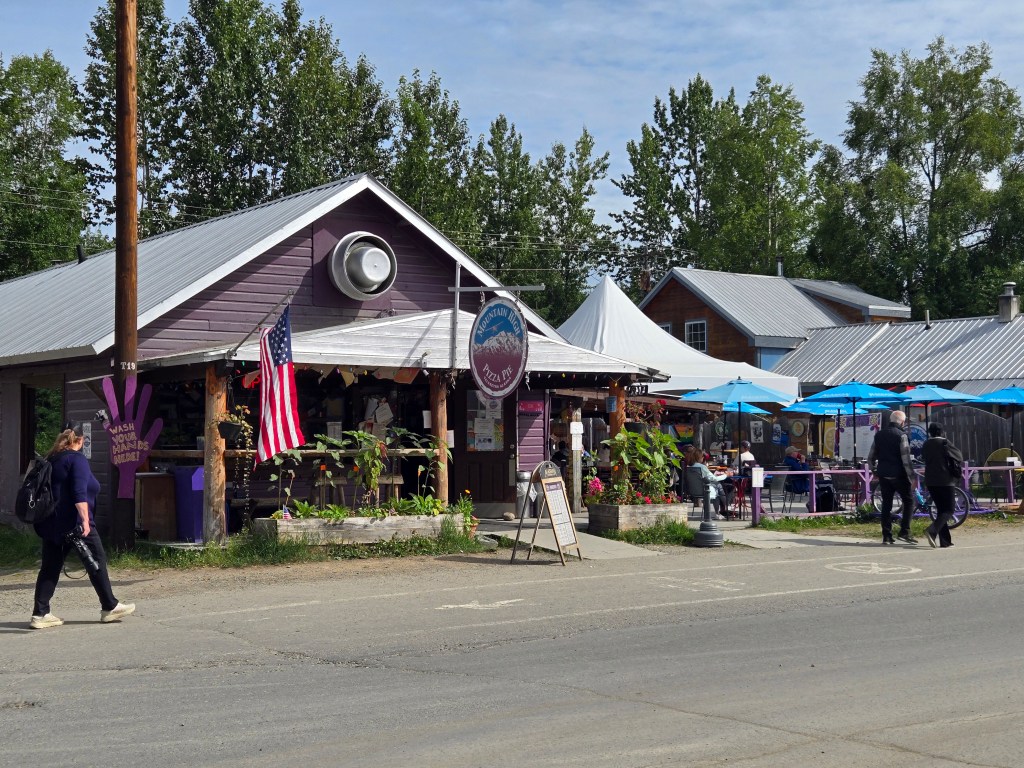
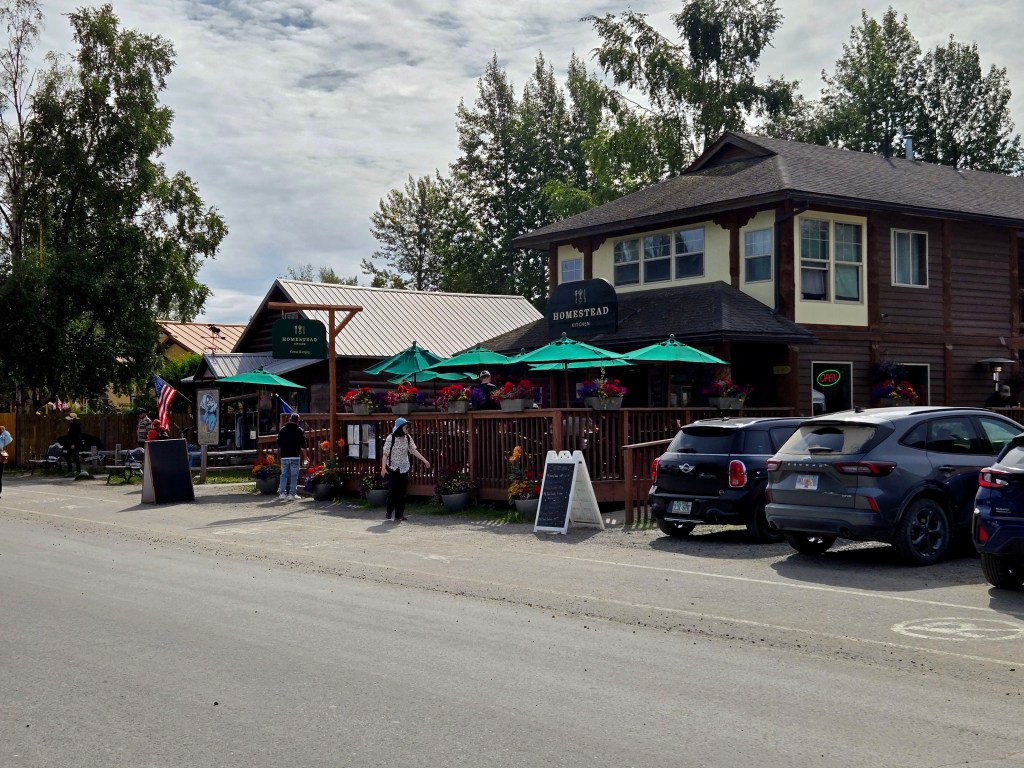
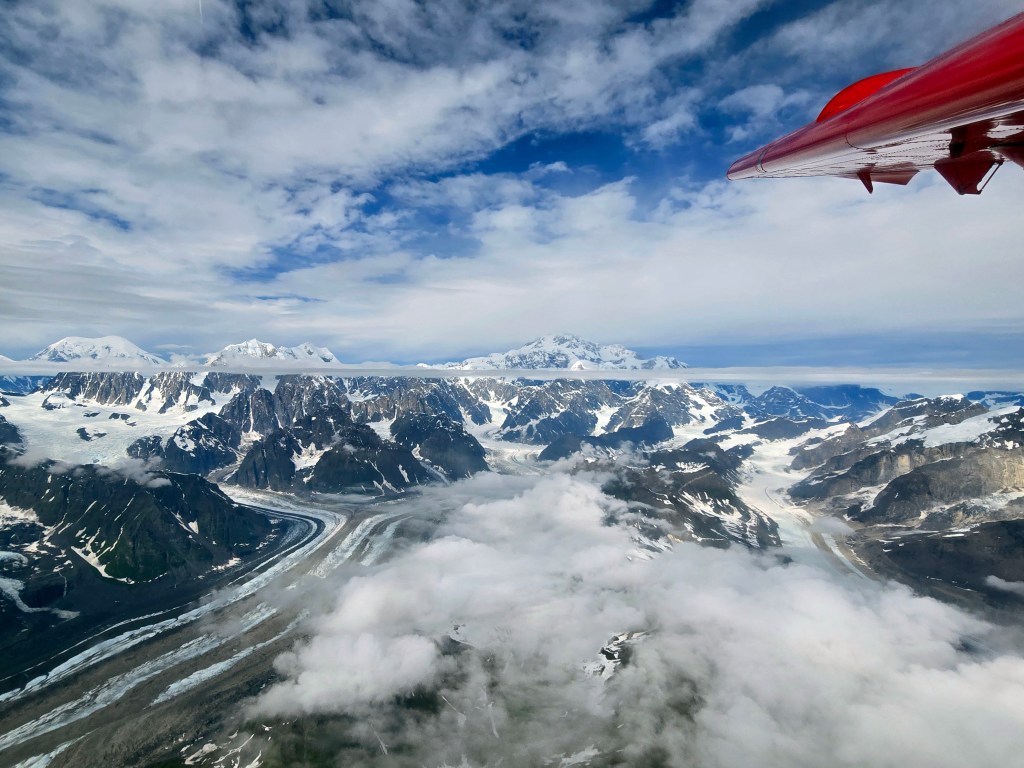
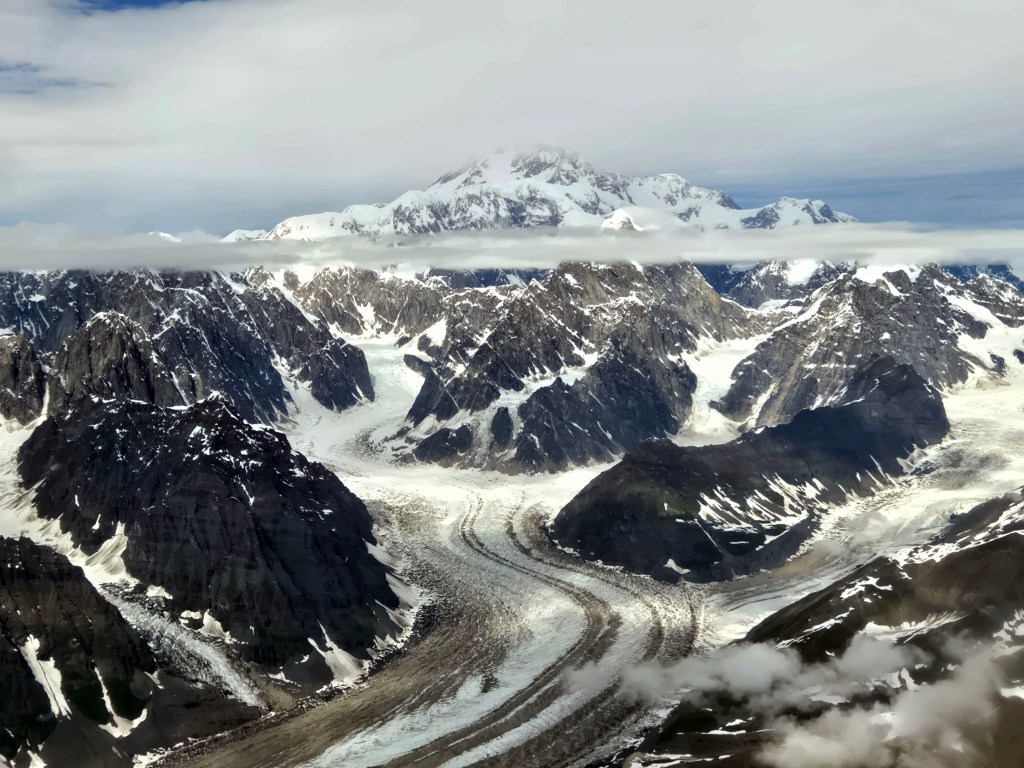
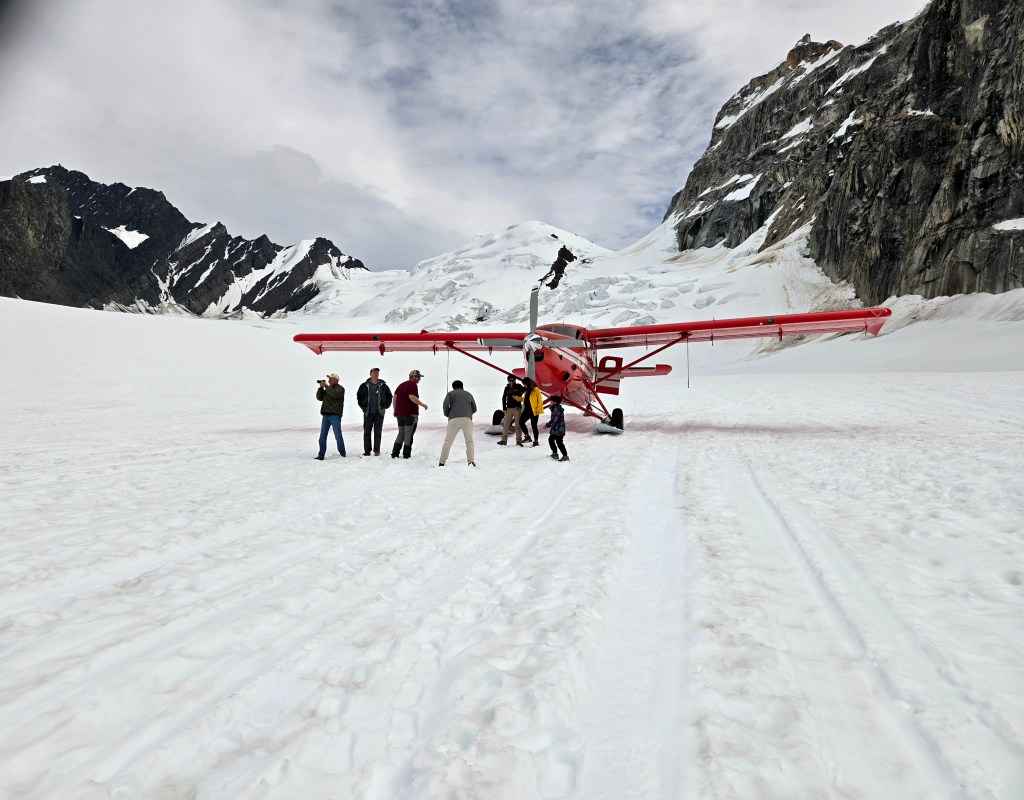
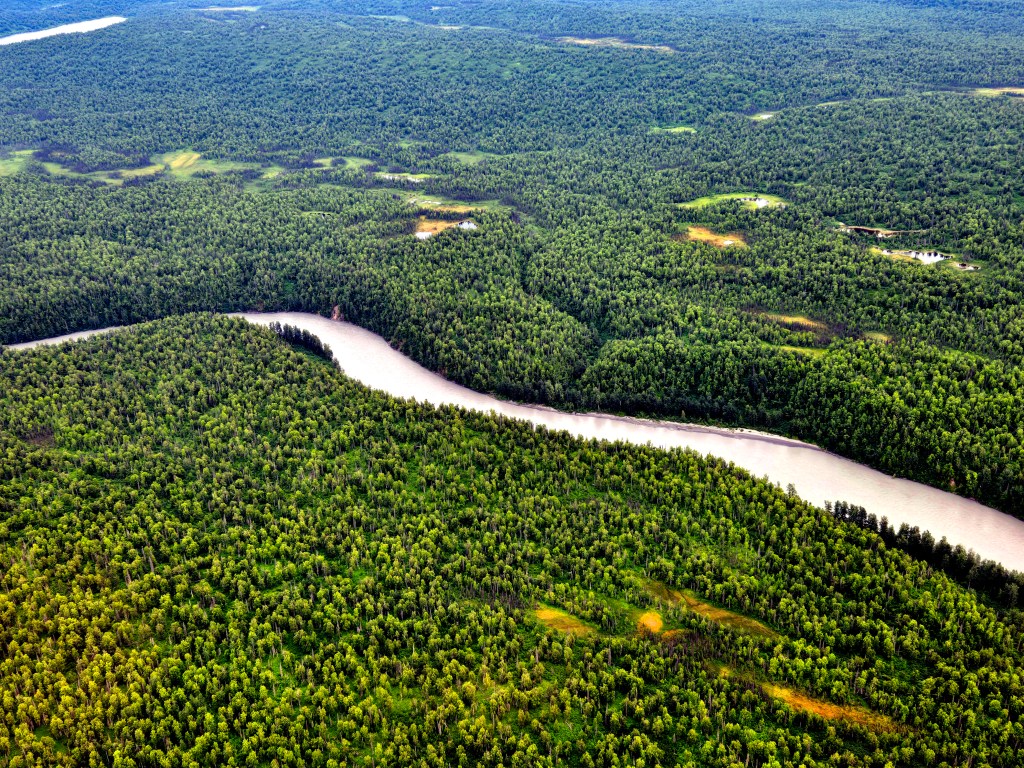
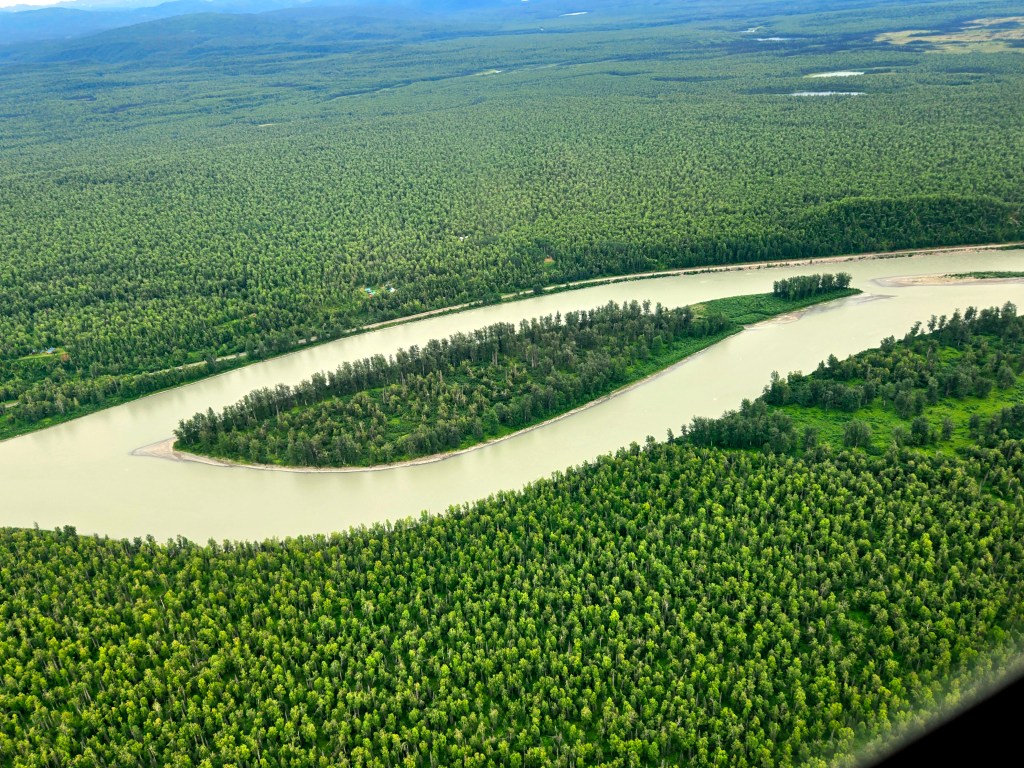
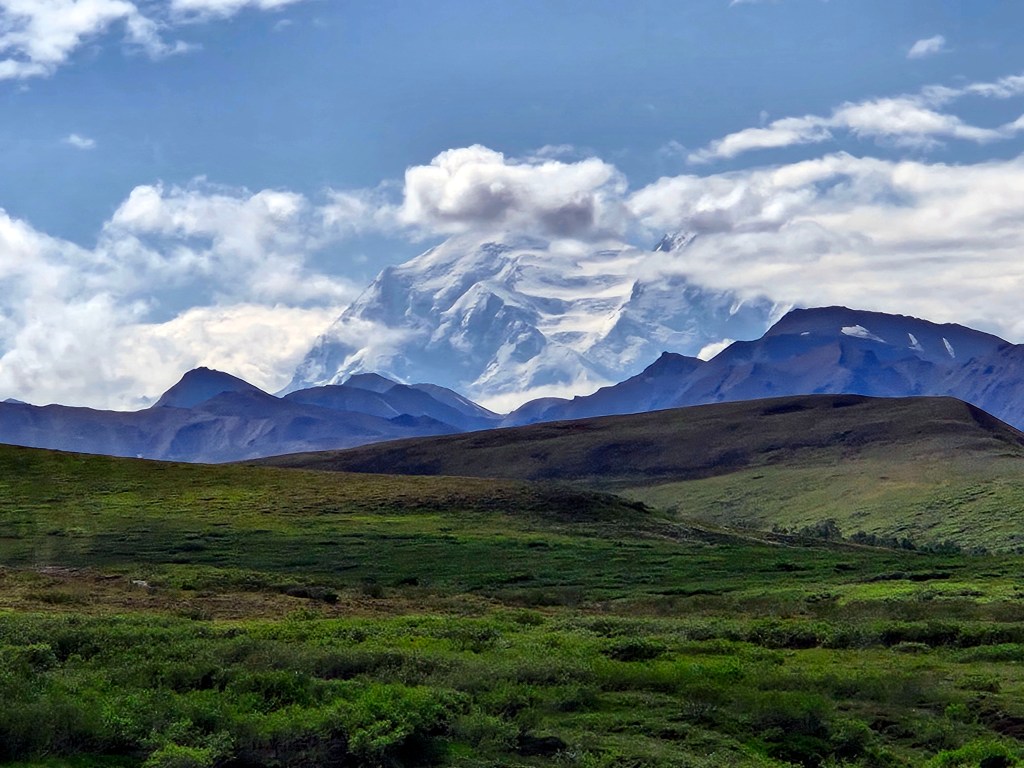
C) Talkeetna and Flightseeing: After Hatcher Pass, we continued on to Talkeetna, a small, charming town that serves as a gateway to Denali. Talkeetna has a laid-back, artsy vibe, with local restaurants, souvenir shops, and several adventure outfitters. It’s also a hub for activities like rafting, hiking, and flightseeing. We first completed our flightseeing tour that was prebooked, after which we spent some time walking around town and had lunch before continuing onto Healy. We chose to do our flightseeing with K2 Aviation, and it ended up being one of the absolute highlights of the entire trip. We selected the Denali flightseeing tour with glacier landing, which lasts about two hours total. The aircraft is a small fixed-wing plane, typically seating around 6–10 passengers, depending on configuration. These planes are designed specifically for mountain flying and glacier landings. We checked in about 30 minutes before departure, where they recorded weights for balance and provided overboots to wear over regular shoes for the glacier landing. I wore comfortable closed-toe shoes, layered clothing, and brought sunglasses, which are highly recommended because it gets extremely bright once you’re over the snow and ice. They also provide sunglasses if you don’t have your own. I was incredibly lucky to get a seat right in the front next to the pilot, which was hands-down the best seat in the plane. The views from the front and side were absolutely spectacular. The flight itself was breathtaking from the moment we took off. We flew first over rivers, forests, and rolling terrain, gradually transitioning into the Alaska Range, where the landscape becomes more rugged, jagged, and snow-covered. On our day, the weather was crystal clear and sunny, which is not guaranteed in Alaska and we felt incredibly fortunate. We were able to see Denali, standing at 20,310 feet, along with Mount Hunter (about 14,573 feet) and Mount Foraker (about 17,400 feet). Seeing all three peaks clearly in one flight is not common, and the pilots emphasized how lucky we were with the conditions. The glacier landing itself was incredibly smooth. We spent about 20 minutes on the glacier, surrounded by endless white snow and towering peaks. It felt surreal, quiet, vast, and humbling all at once. Being able to walk around, take photos, and just stand there in the middle of the Alaska Range was unforgettable. On the return flight, the landscape subtly changed. As we moved away from the high peaks, the terrain softened into braided rivers, glacial runoff, and greener valleys, offering a completely different perspective of Alaska’s scale and diversity. We chose K2 Aviation because it is widely regarded as one of the most reliable operators for Denali views, especially when weather conditions are favorable. Talkeetna is known for having some of the highest chances of seeing Denali, compared to flightseeing options based farther away. There are other reputable flightseeing companies as well, including Talkeetna Air Taxi and Denali Air. Some operators based near Denali National Park may offer flights that circle the Alaska Range, but not all guarantee views of Denali’s summit, depending on route and weather. You may also see helicopter tours offered in some areas. While helicopters can offer more maneuverability, fixed-wing flightseeing is generally preferred in Alaska for longer scenic routes, smoother glacier landings, greater range, and a more immersive sense of scale. For us, the plane experience felt more expansive and better suited to covering the vast Alaska Range.
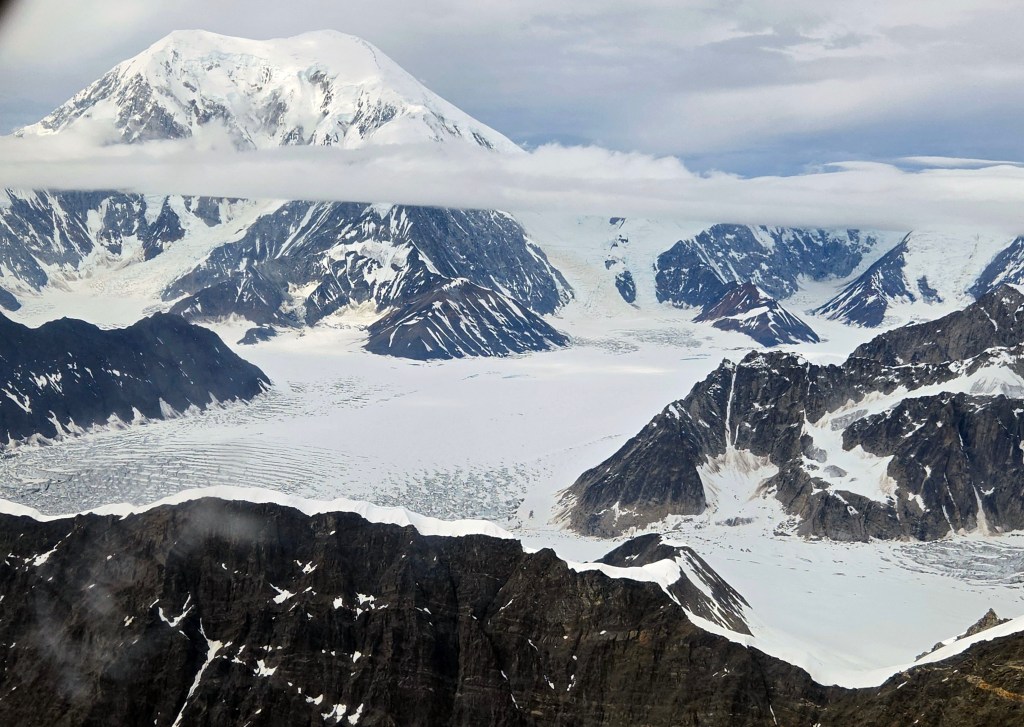
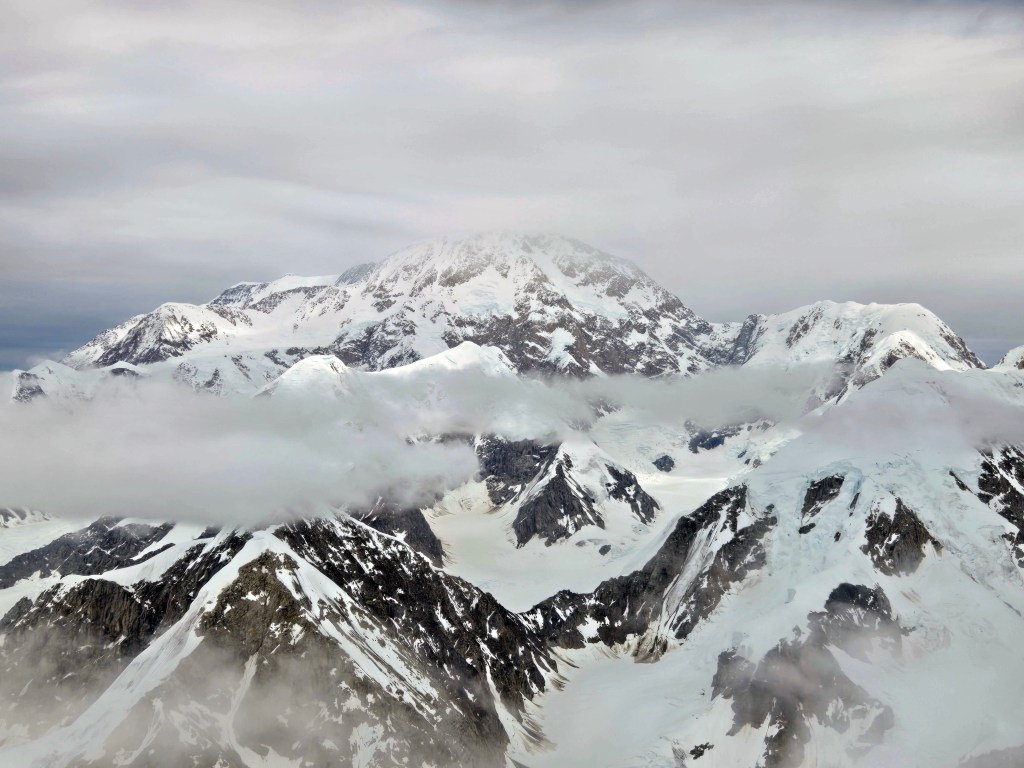
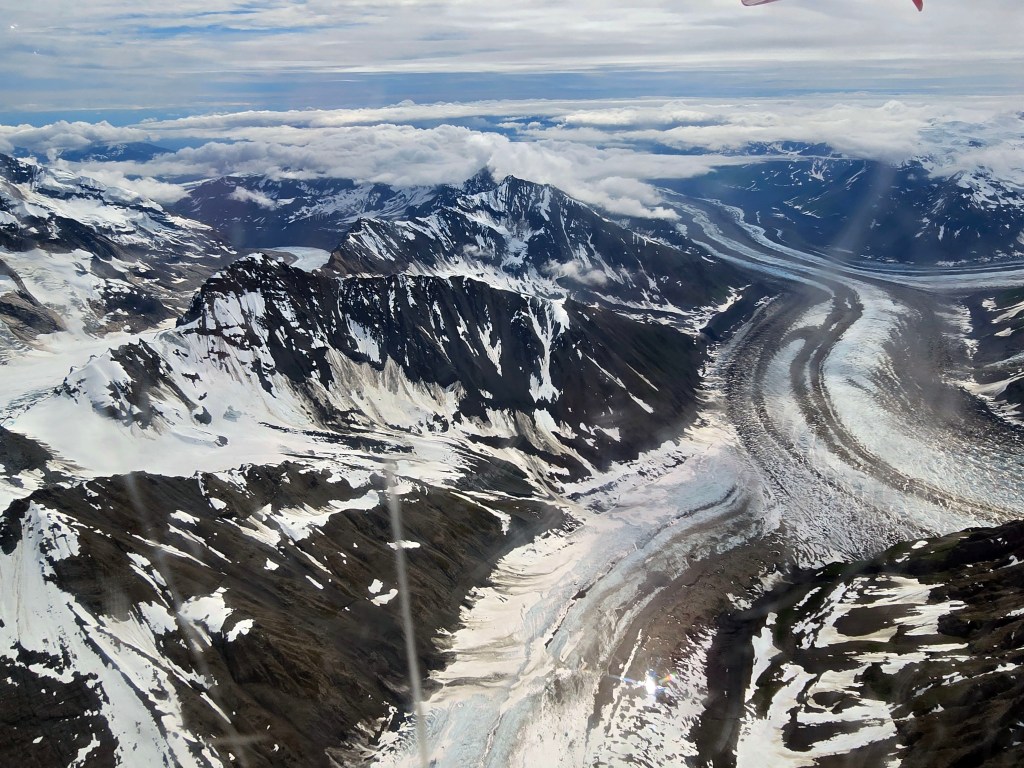
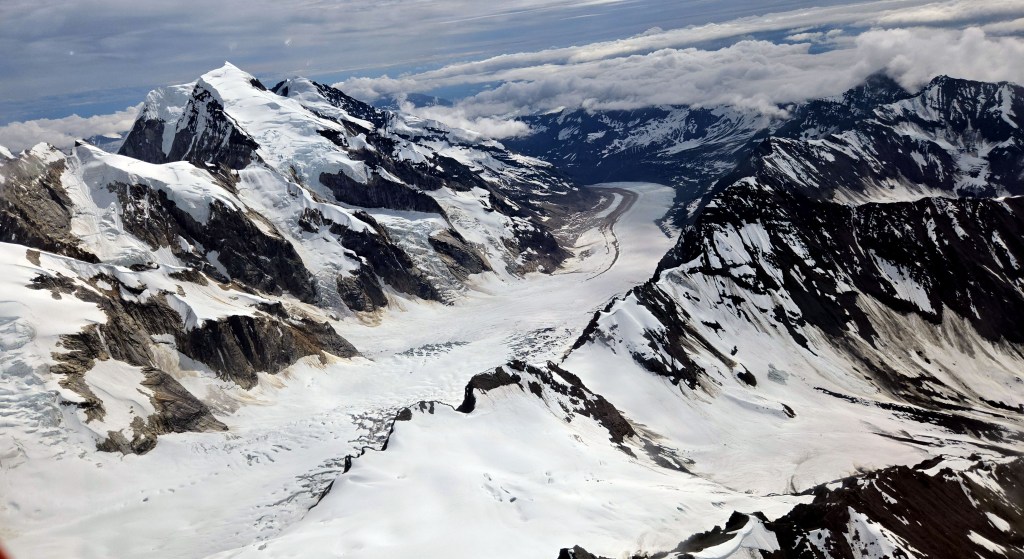

D) Continuing onto Healy: After lunch and a short walk around Talkeetna, we got back on the road and continued north to Healy, arriving in the evening. It was a long day, but one that felt incredibly rewarding combining dramatic scenery, Alaska history, and one of the most iconic experiences the state has to offer. We didn’t stop anywhere on the drive from Talkeetna to Healy that day, but there are a couple of commonly recommended pullouts: Denali Viewpoint South and Denali Viewpoint North. We actually stopped at one of these viewpoints on our return drive, mostly out of curiosity. While these viewpoints do offer a chance to see Denali on a clear day, the peak is very far away and can be hard to spot unless you’re actively looking for it. Given that we had already seen Denali up close from the flight and later within Denali National Park itself, the viewpoints didn’t feel particularly impactful to us. That said, if you don’t get a chance to see Denali at all, due to weather, timing, or skipping flightseeing; these viewpoints maybe worth a quick stop. Just keep expectations realistic. Even on a clear day, Denali can be elusive, and if you didn’t see it in Denali National Park, chances are you may not see it clearly from the highway either.
Denali National Park
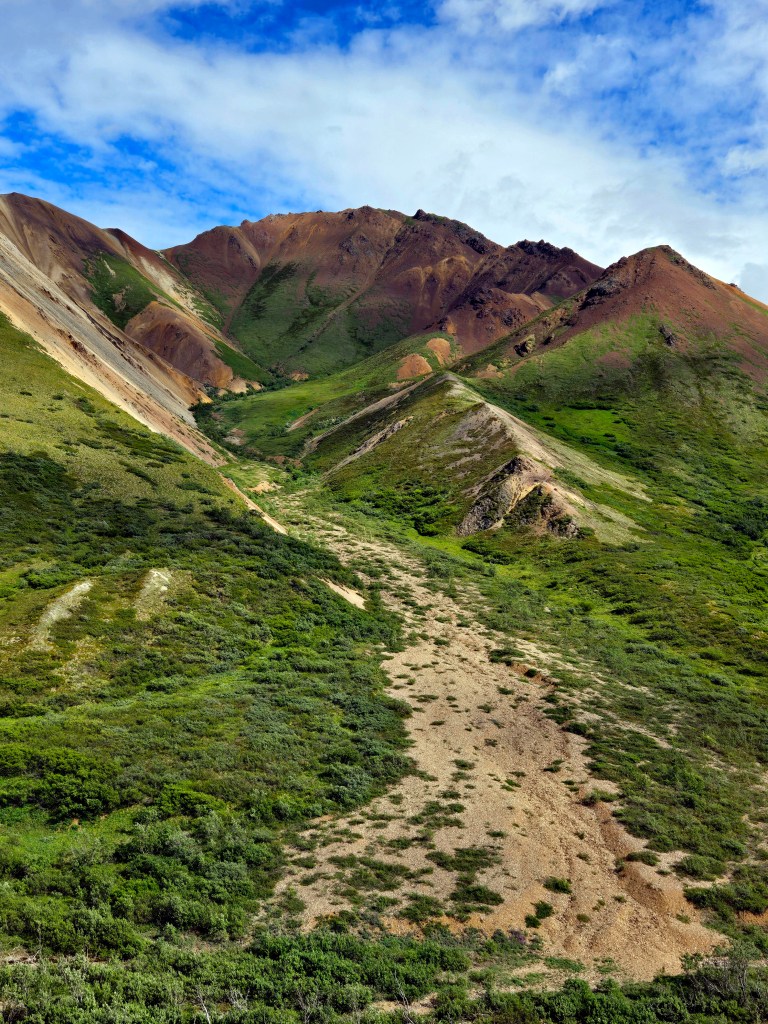
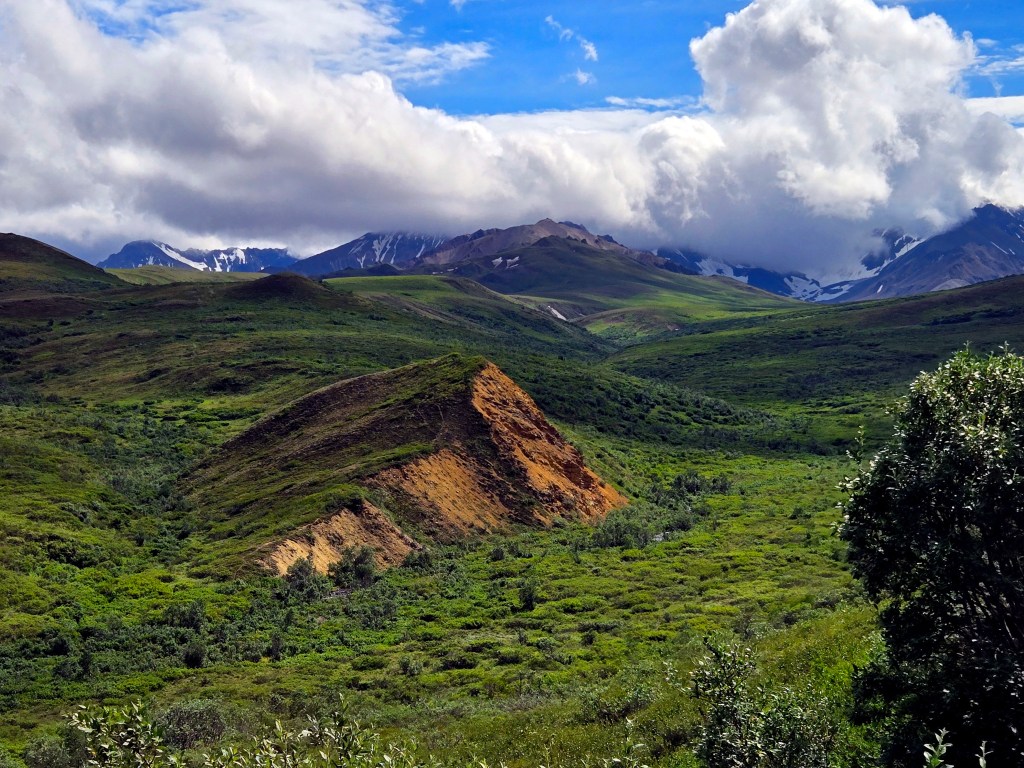
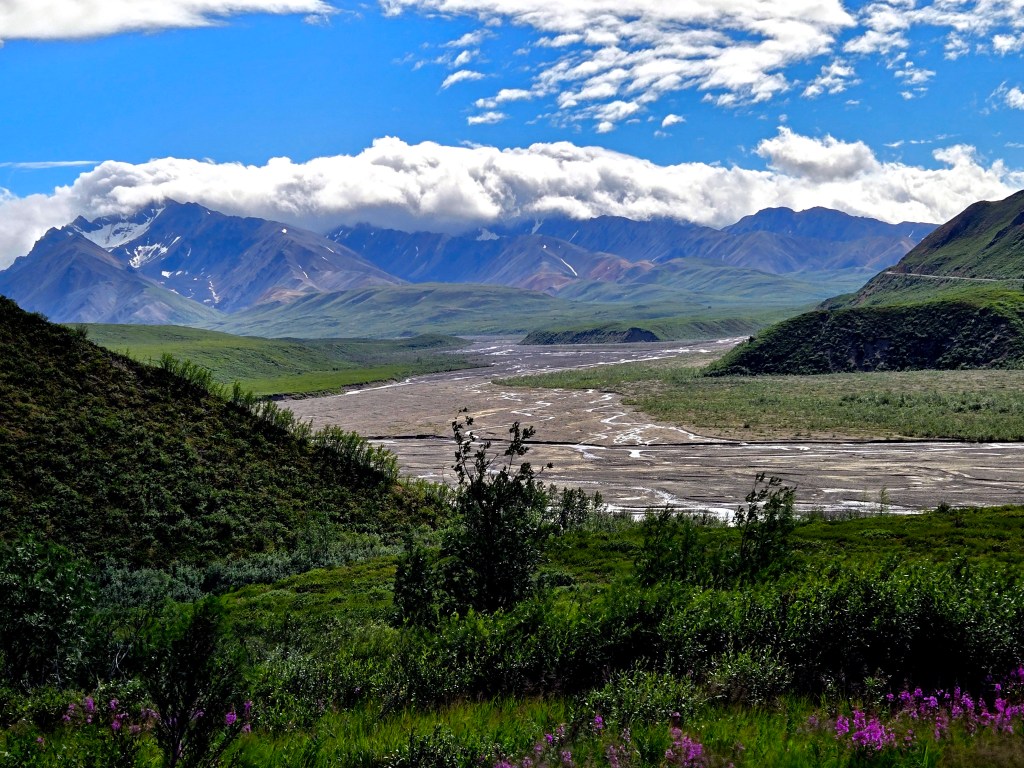
Denali National Park and Preserve is one of Alaska’s most iconic wild places; a vast expanse of more than six million acres of tundra, rivers, forests, and dramatic mountains at the heart of the Alaskan Range. Dominated by Mount Denali, the tallest peak in North America at 20,310 feet, the park is renowned for its breathtaking landscapes and abundant wildlife, from grizzly bears and caribou to Dall sheep and wolves. Whether you’re here for the scenery, the animals, or the sense of true wilderness, Denali delivers an unforgettable experience
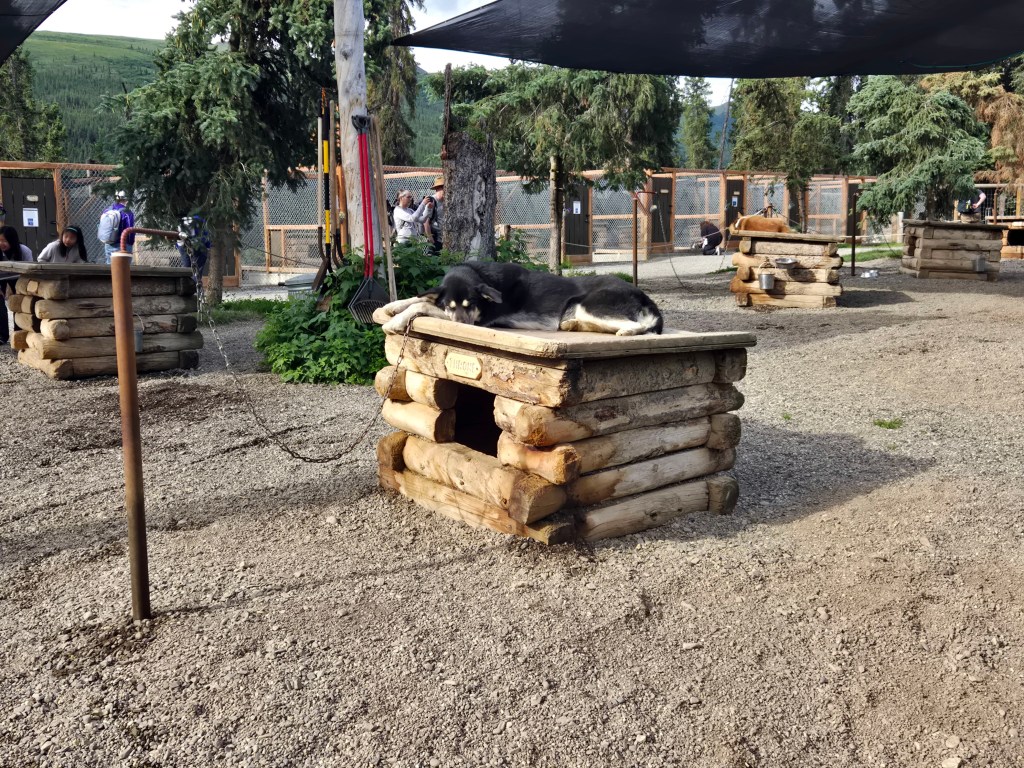
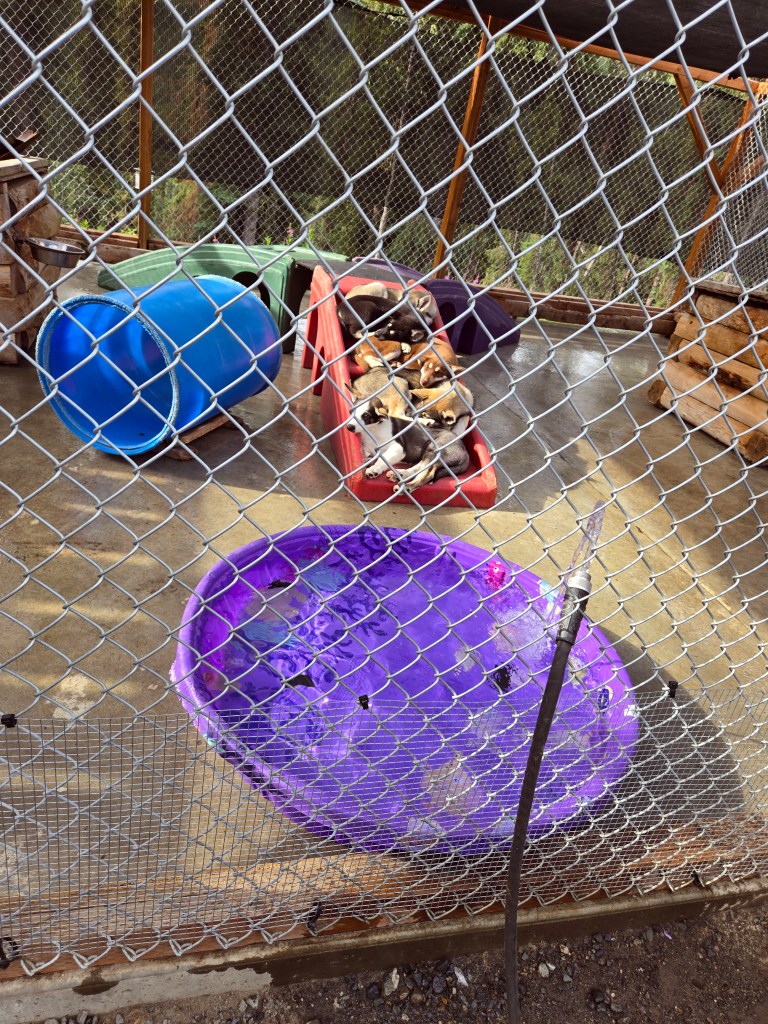
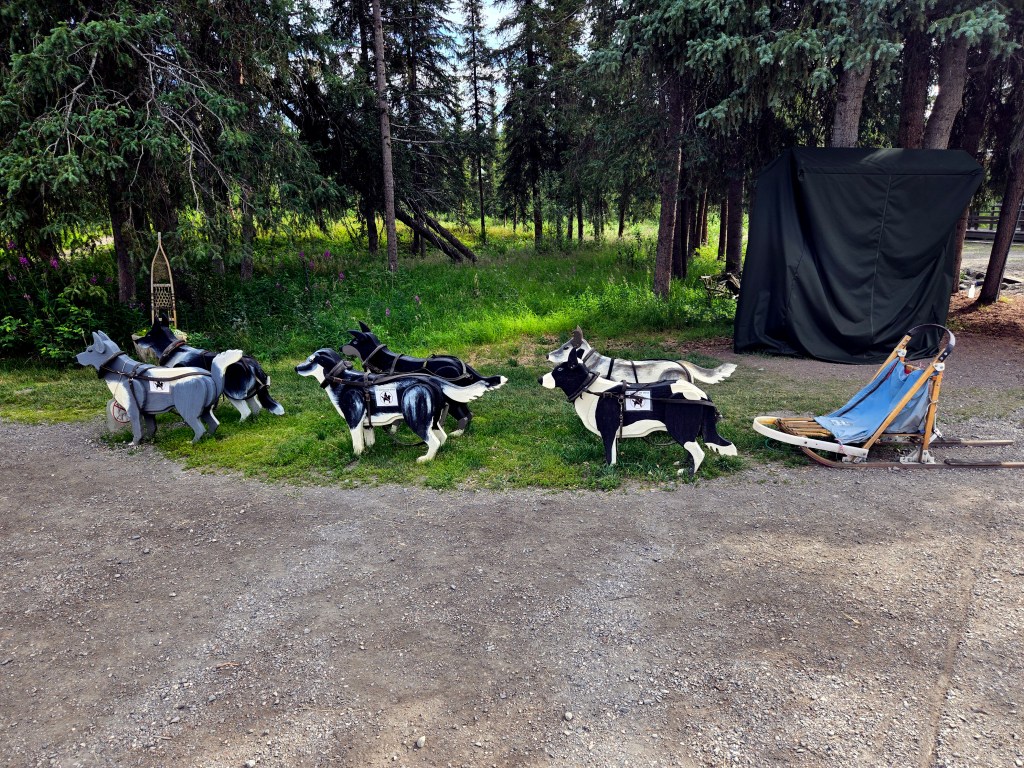
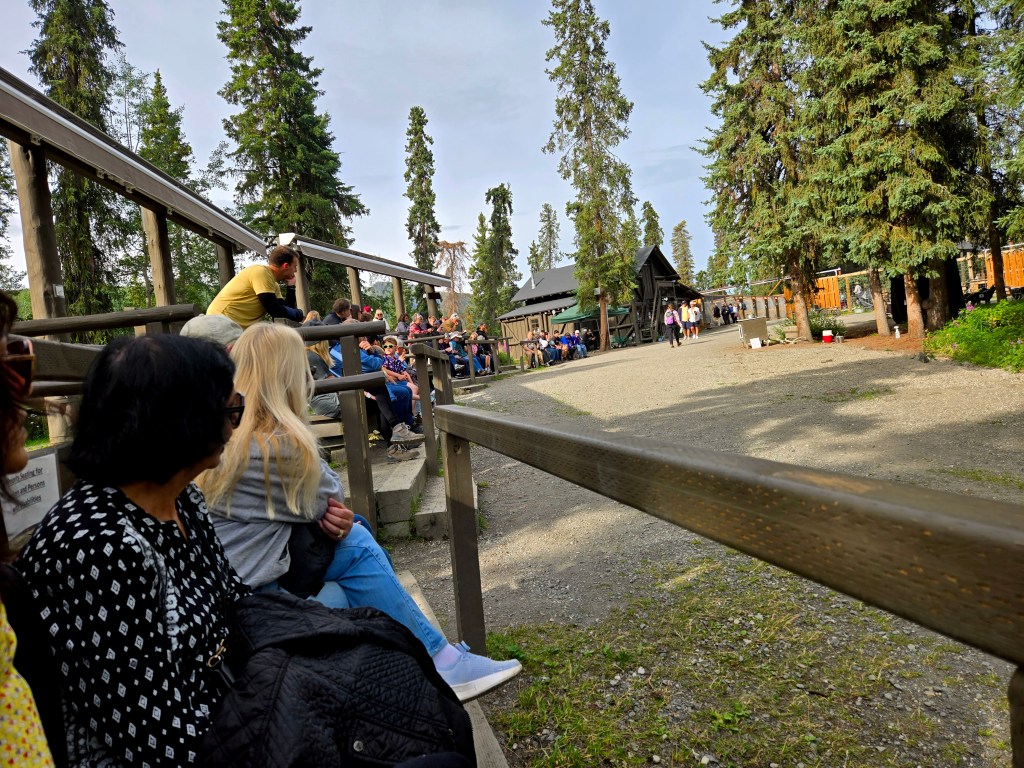
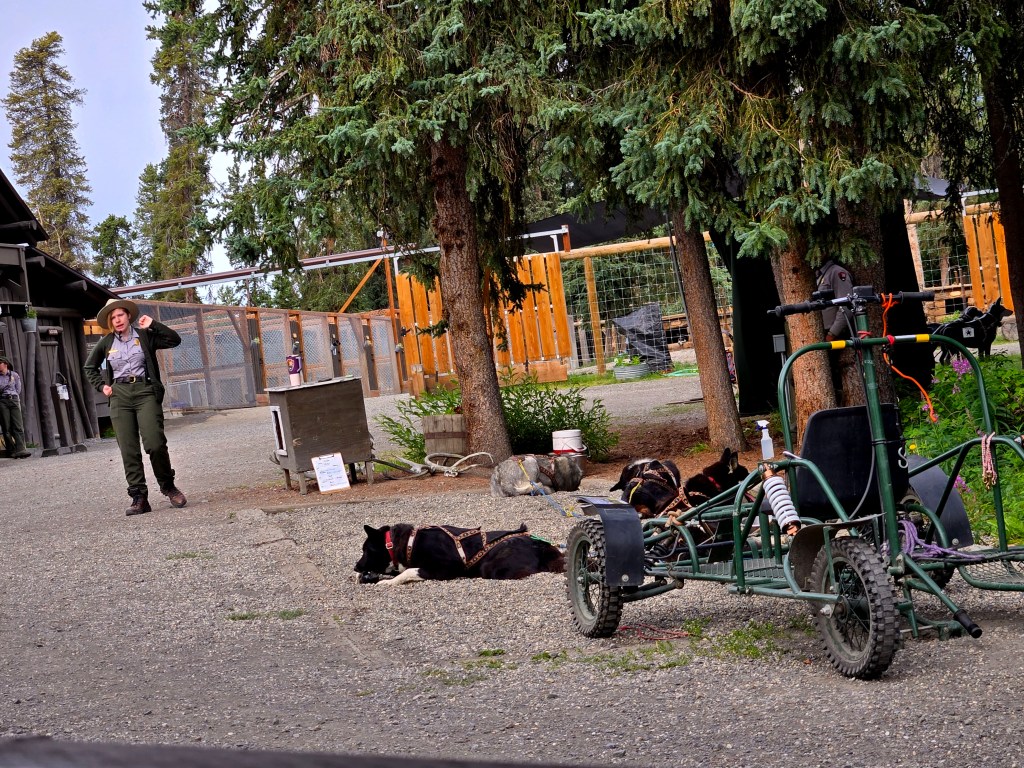
A) Denali Sled Dog Kennels :We started the day with a visit to the Denali Sled Dog Kennels, which is one of the most distinctive experiences you can have in the park. Unlike many places where sled dogs are more of a tourist attraction, Denali’s sled dogs are working huskies and are the only dogs allowed to live and work inside the national park, helping rangers patrol the park in winter. The sled dog demonstrations and talks are offered three times a day—at 10:00 AM, 2:00 PM, and 4:00 PM, and are completely free. If you’re aiming for the 10:00 AM tour, it’s best to be at the Denali Visitor Center by around 9:15 AM to catch the park bus that takes you to the kennels. The ride itself is short, roughly 10–15 minutes, and the bus driver and ranger provide some helpful context along the way. Once there, you’re given time to walk around, meet the dogs, and interact with them. Many of the dogs are incredibly friendly and clearly love the attention. it’s hard not to smile watching them eagerly lean in for pets. After that, there’s a ranger-led talk explaining the history and role of sled dogs in Denali, how they’re trained, and how they’re still used today. Seeing the dogs harnessed to a sled and watching a short demonstration was both informative and surprisingly moving. Overall, it’s an easy, enjoyable activity that takes about two hours total, including transportation.
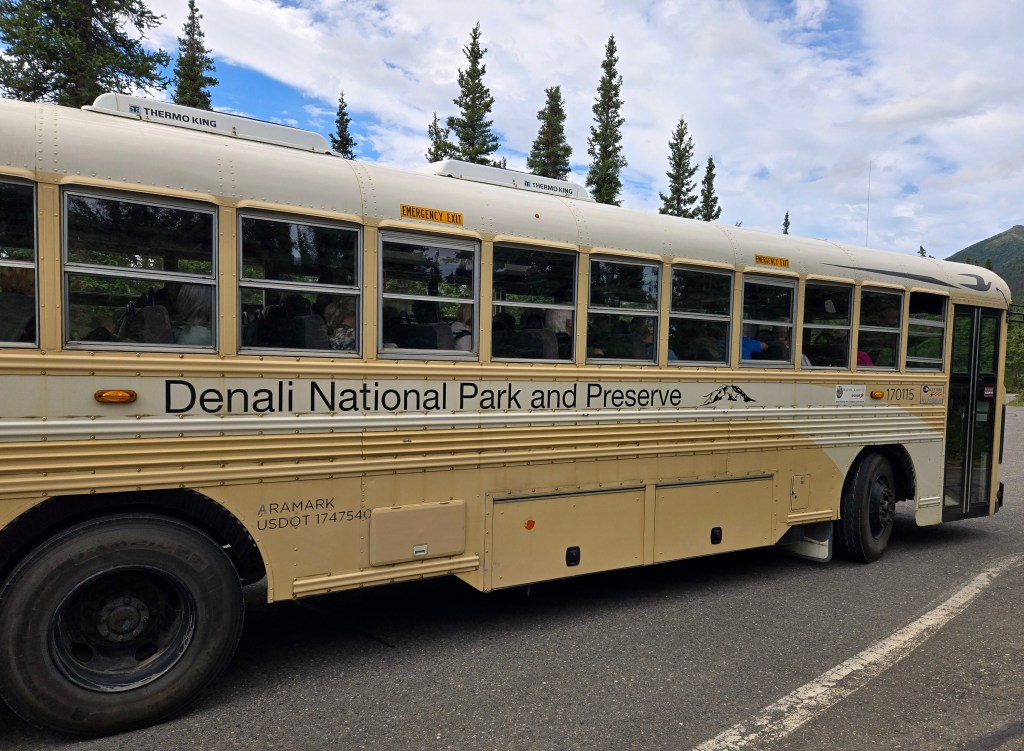
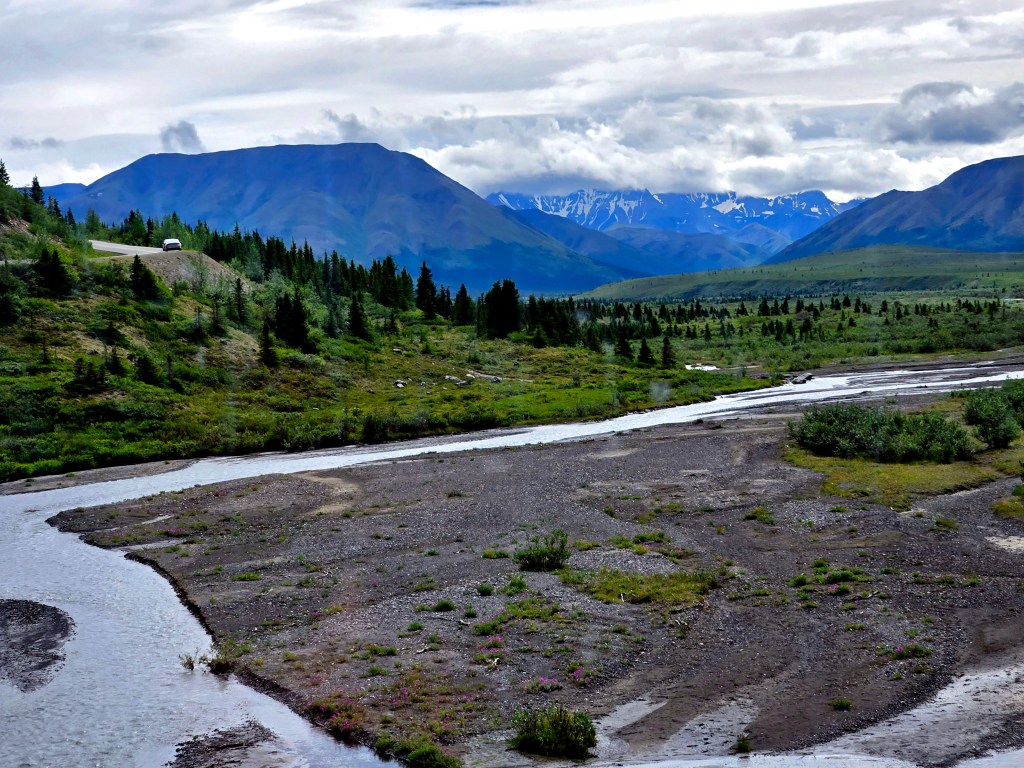
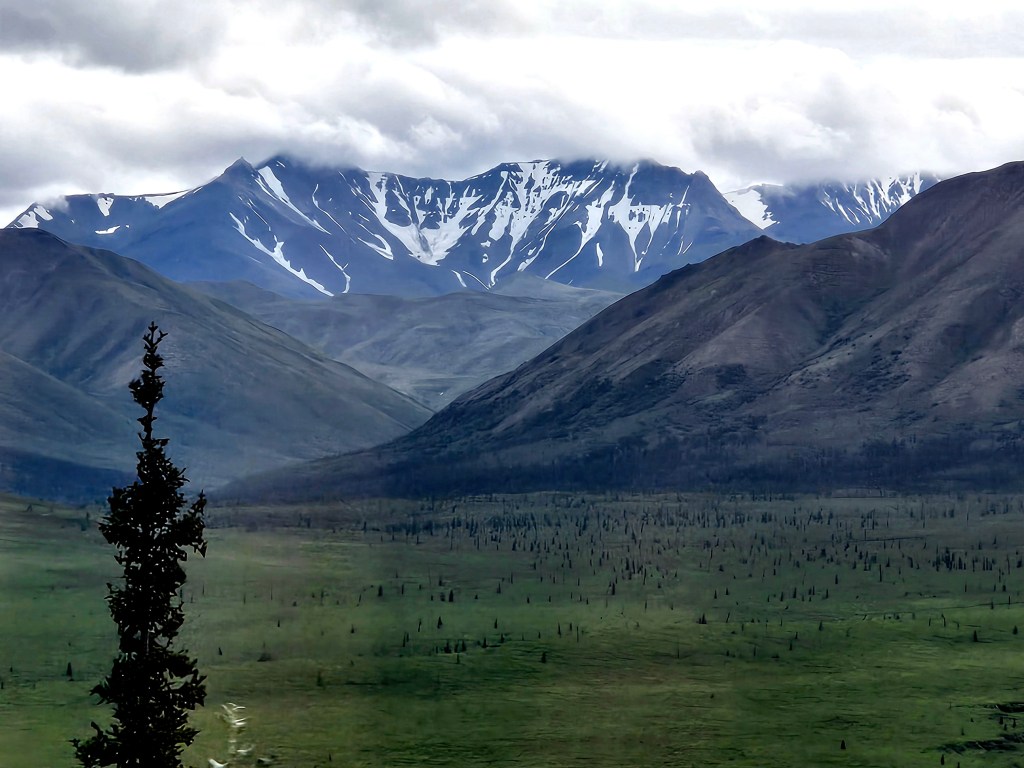
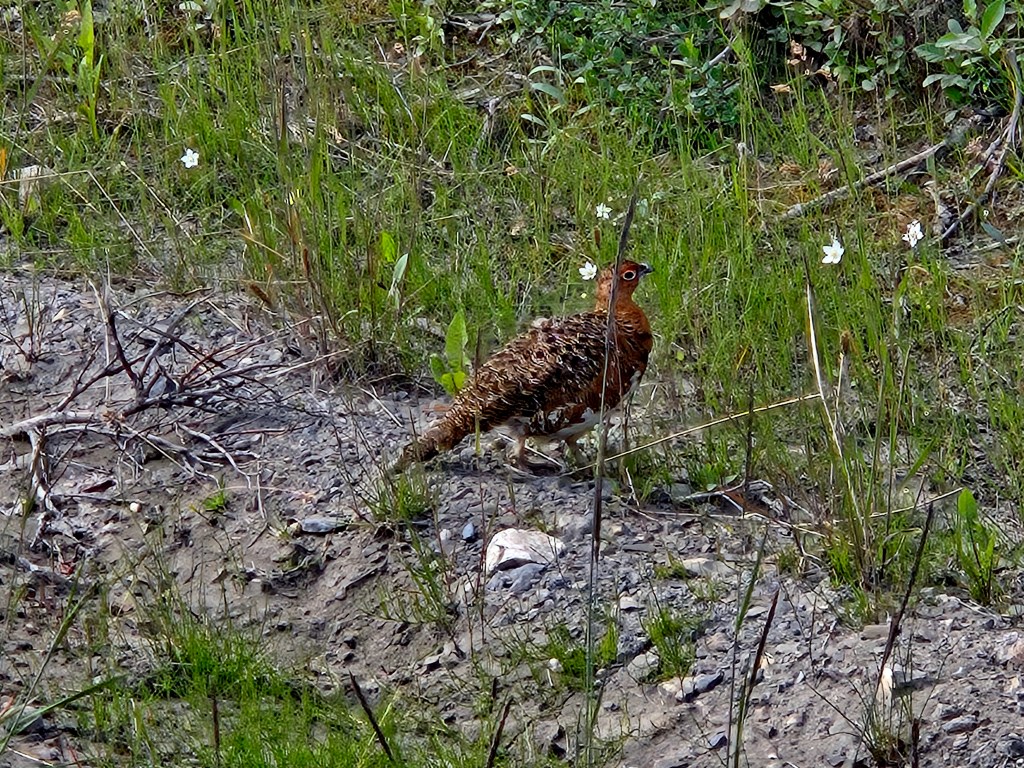
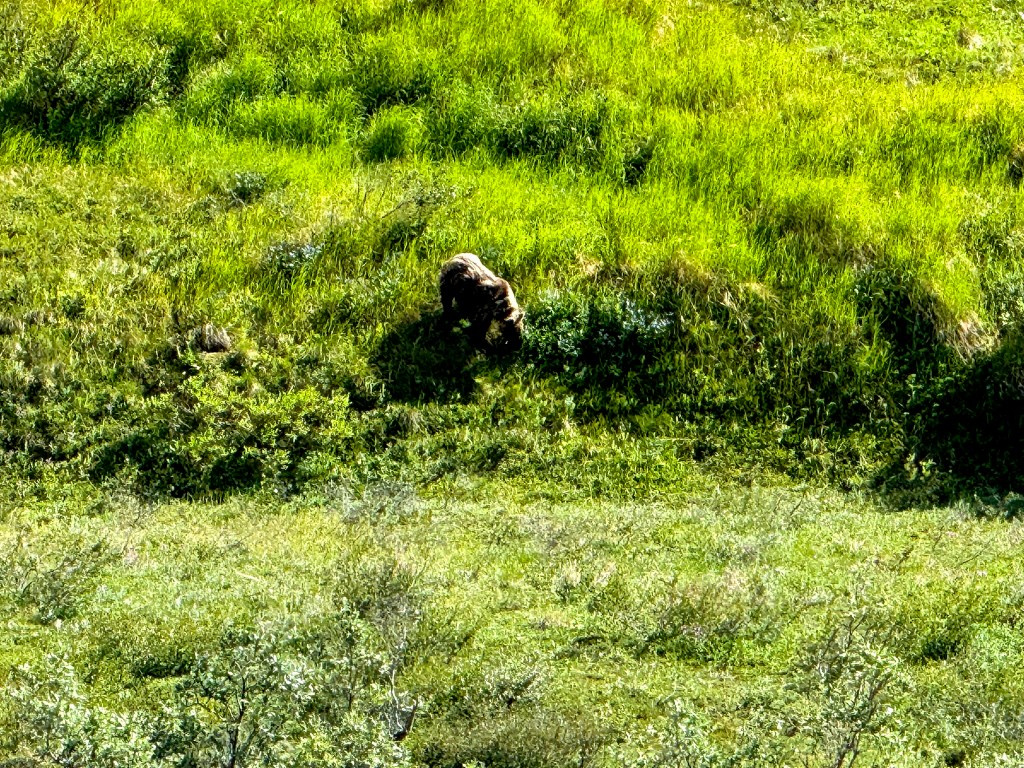
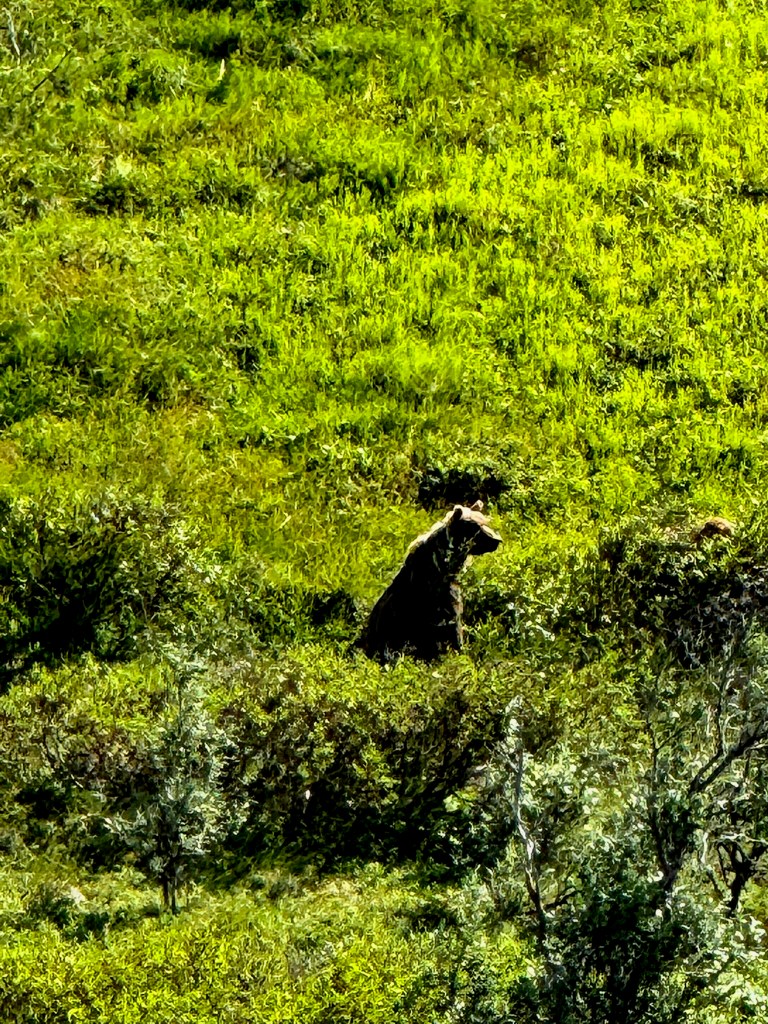
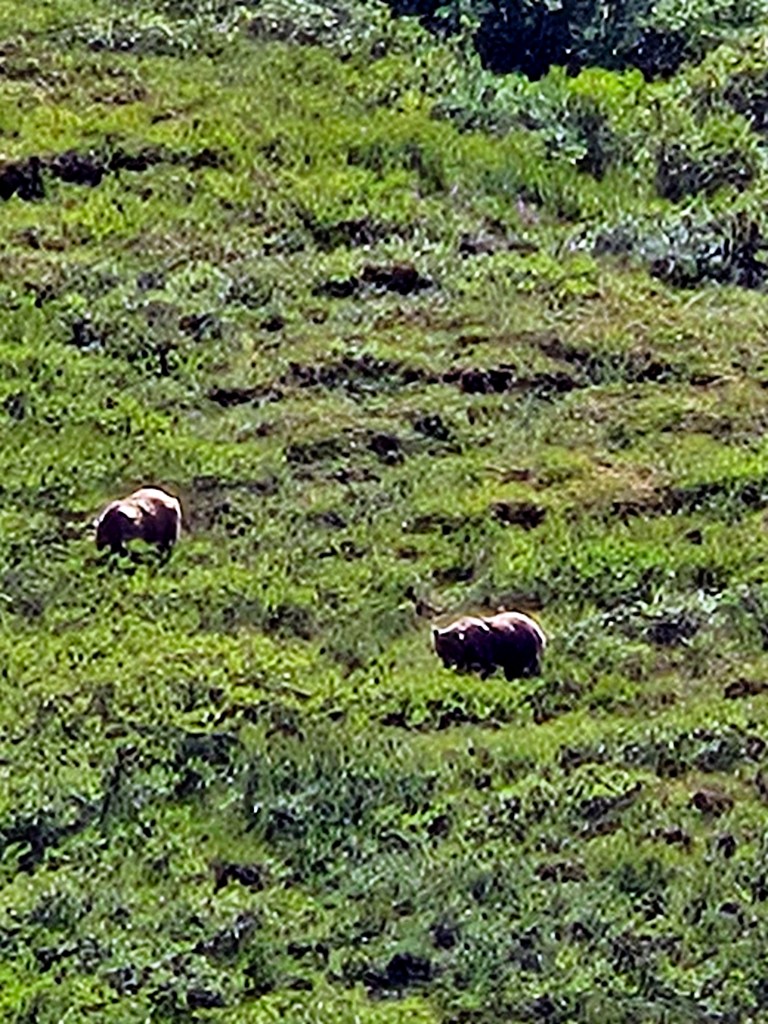
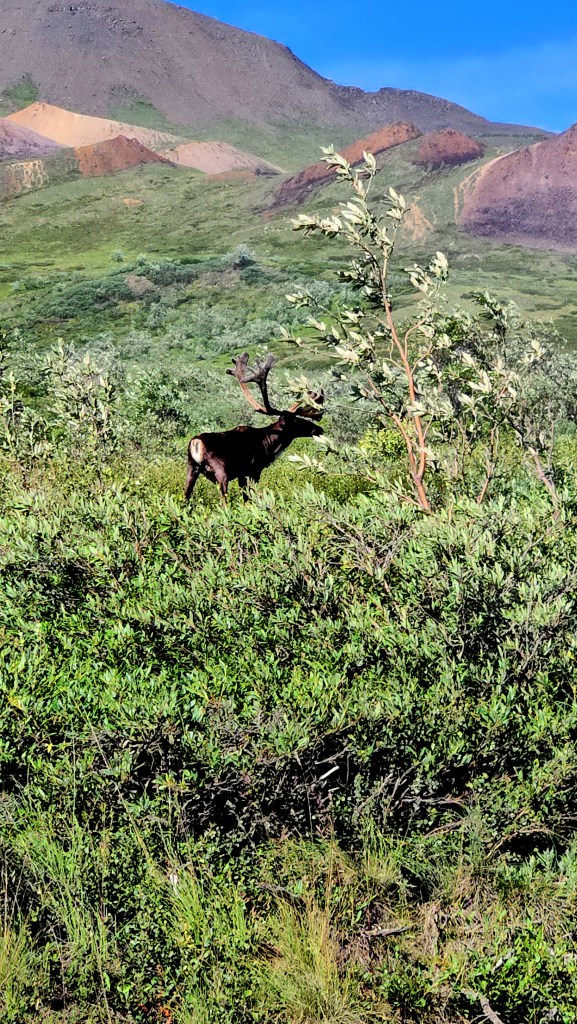
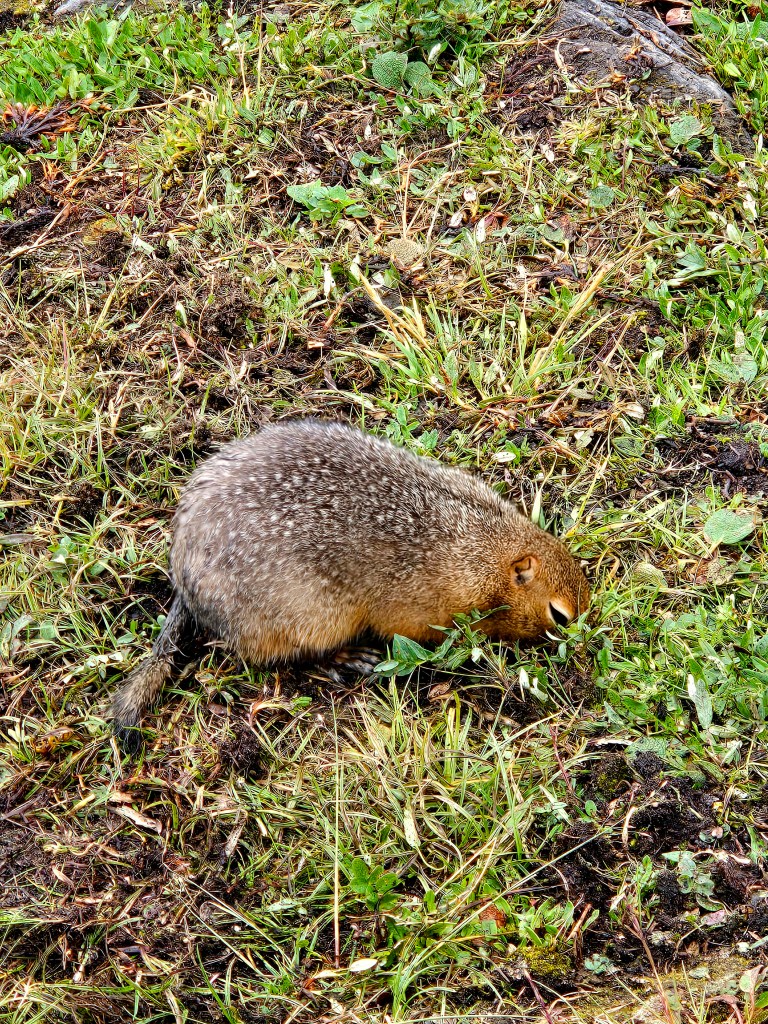
B) Tundra Wilderness Narrated Bus Tour : While you can explore the park by car, private vehicles are only allowed to drive a limited portion of Denali Park Road. During our visit, cars were permitted up to around mile 15, after which access is restricted to park-operated bus services. If you want to experience the vastness of the park, travel deeper into the wilderness, and have the best chance of seeing wildlife, taking one of the park’s bus services is essential. After the sled dog visit, we had lunch and then headed out for the Tundra Wilderness Tour, the most popular narrated bus tour offered by the park. Denali offers several types of bus services, and it’s important to understand the difference: 1) Narrated bus tours(like the Tundra Wilderness Tour) are guided experiences where the driver also serves as a naturalist. These tours focus on wildlife spotting and interpretation but are not hop-on, hop-off. 2) Transit buses (park shuttles)allow you to get off at designated points to hike or explore independently and then re-board later. These are better if your goal is hiking deeper in the park. The Tundra Wilderness Tour is ideal if your priority is seeing wildlife and traveling deep into the park without worrying about navigation or logistics, but it comes with trade-offs. We had a 12:00 PM tour booked and arrived on time at the Denali Bus Depot, one of the designated pickup points. However, despite having a noon reservation, we were reassigned to a 1:30 PM bus, which meant waiting around for over an hour. When the bus finally arrived, it was completely full, which was disappointing after such a long wait. Thankfully, there were six seats close to each other that we could sit together as a group. The bus itself was very basic. There were no cup holders, the seats were not particularly comfortable, and legroom was tight. The windows were large but difficult to slide open, and the raised floor under the window seats made sitting there uncomfortable for long stretches. Sitting in the same position for nearly five hours was tiring. The driver doubles as the guide, and this was the biggest mixed bag for us. While the information was knowledgeable, the commentary was non-stop for the entire five hours. There was little quiet time to simply take in the scenery or talk among us. Much of the narration went beyond what we were seeing, including long tangents and zoology-style lectures about animals that weren’t present, which became overwhelming. A more balanced approach with moments of silence would have made the experience far more enjoyable. You’re only allowed to get off the bus twice, both times for bathroom breaks. There are no opportunities to stop and explore viewpoints or walk around otherwise. If you’re someone who likes to move, stretch, or linger in places, this can feel restrictive. However, despite all of this, it’s hard to deny the value of the tour. The drive itself is entirely scenic, and the bus takes you well beyond where private vehicles can go, offering a true sense of Denali’s vastness. We saw nearly all of the wildlife listed on the brochure, some of them multiple times including grizzly bears, moose, caribou, golden eagles, and even the famous Alaskan ground squirrel (which the guide jokingly referred to as having the caloric equivalent of a “cheese pizza” for a bear). The only animal we didn’t see was a wolf. Every wildlife sighting was genuinely exciting, and in that sense, the tour delivered exactly what it promised. By the end of the day, though, we were exhausted, despite having spent most of the time seated. Overall, we felt conflicted. The tour is almost a must-do if you want to see wildlife and experience Denali beyond the road-accessible area, but the lack of comfort, limited flexibility, and overwhelming narration made it less enjoyable than it could have been.
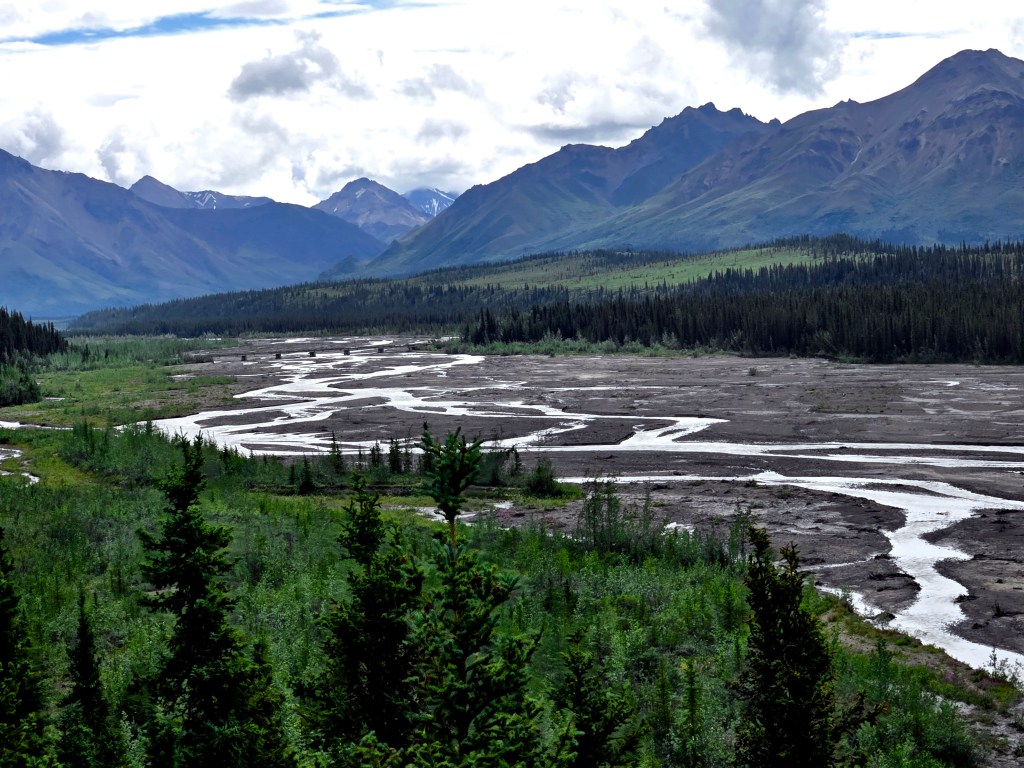
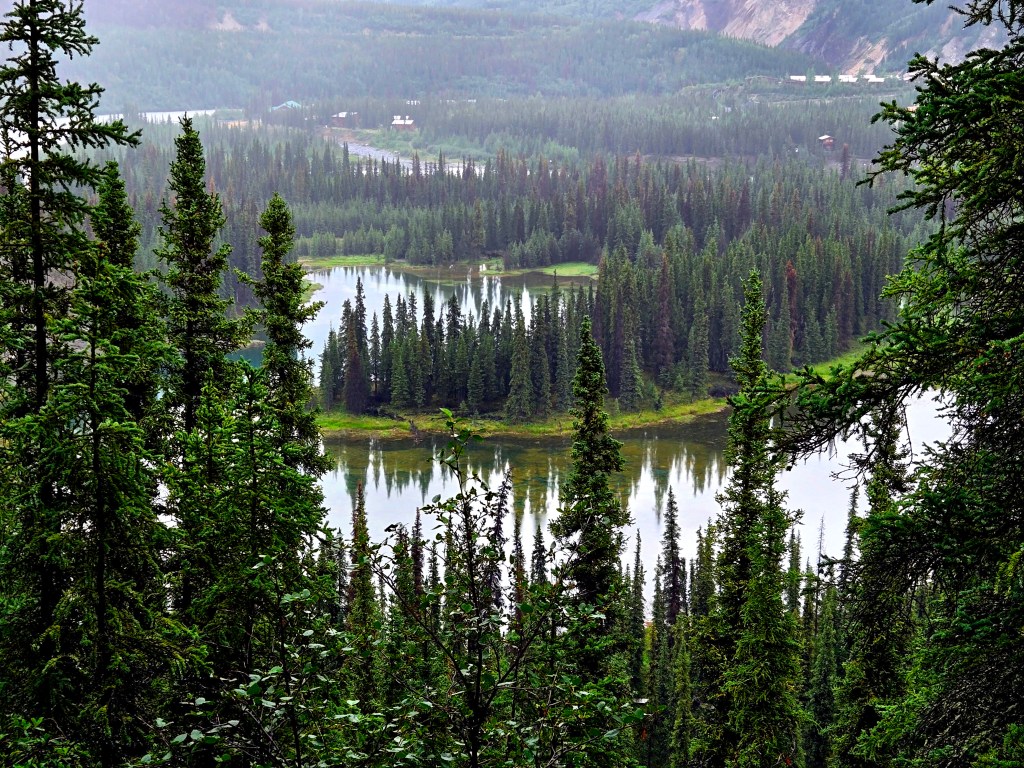
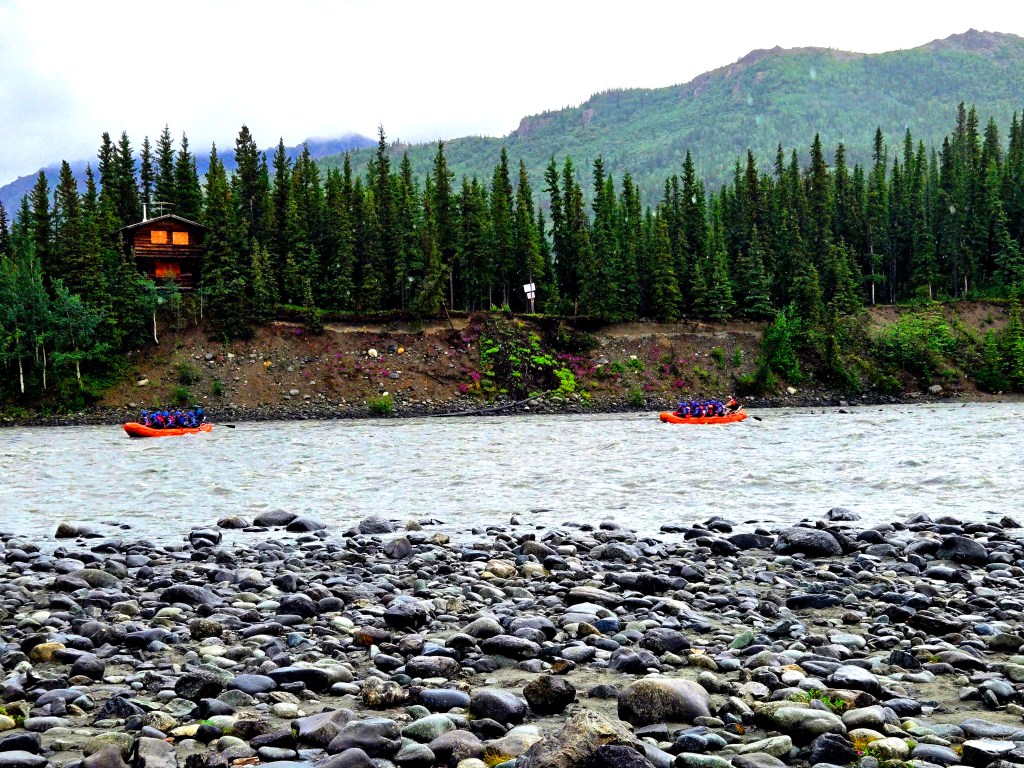
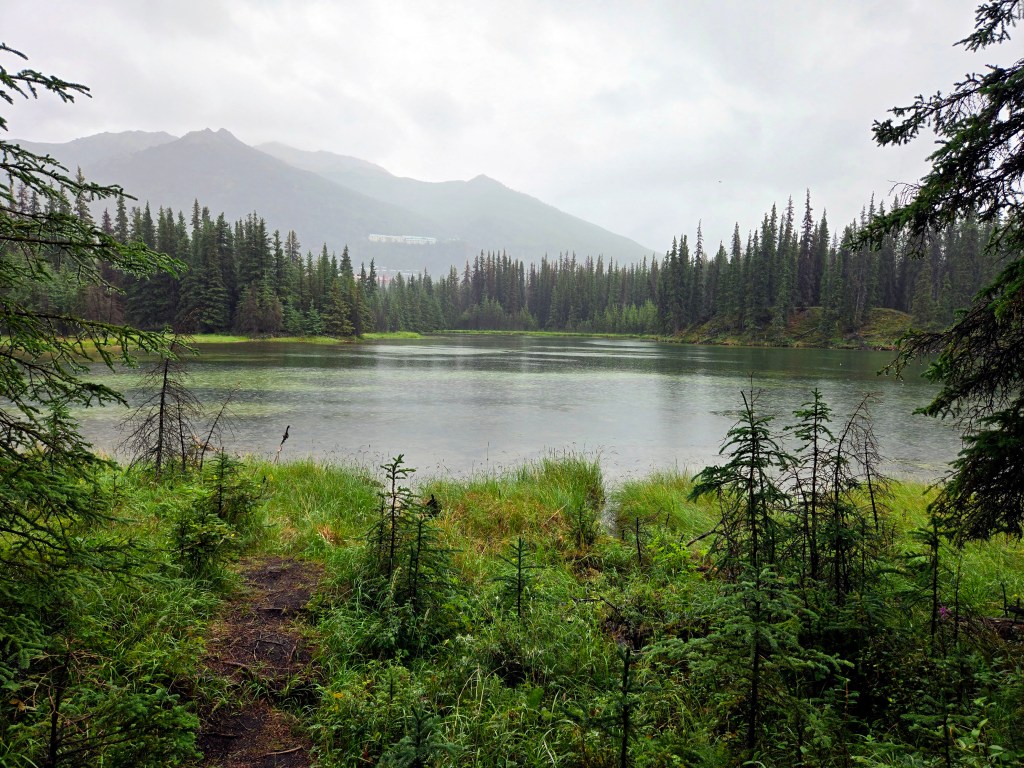
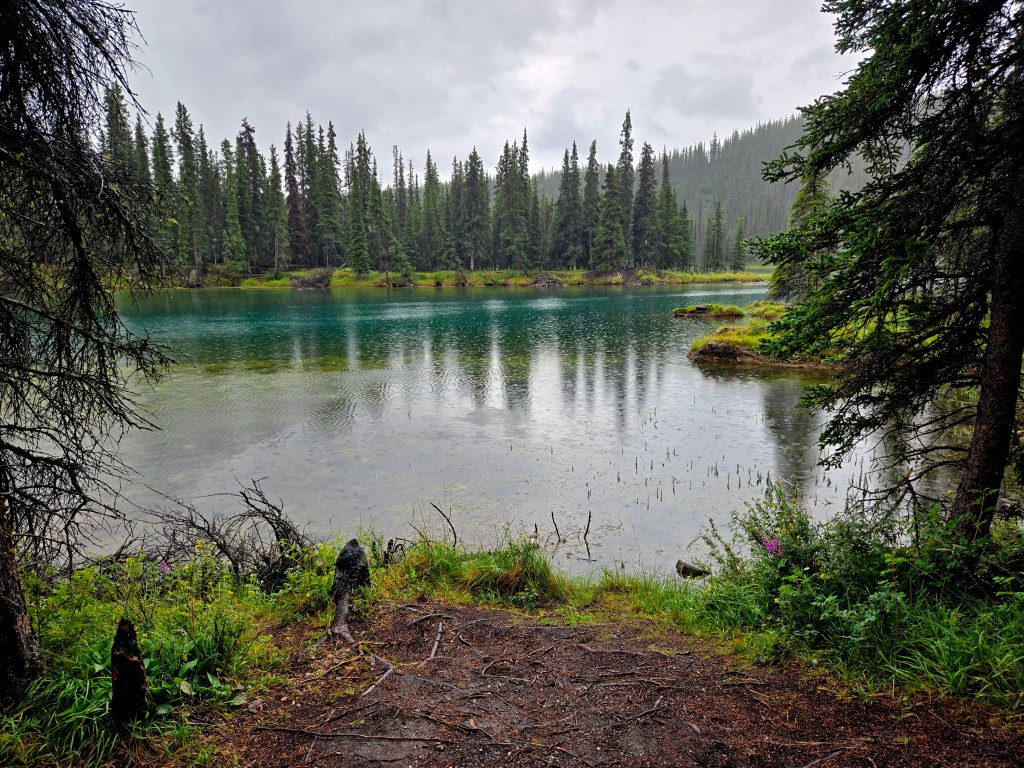
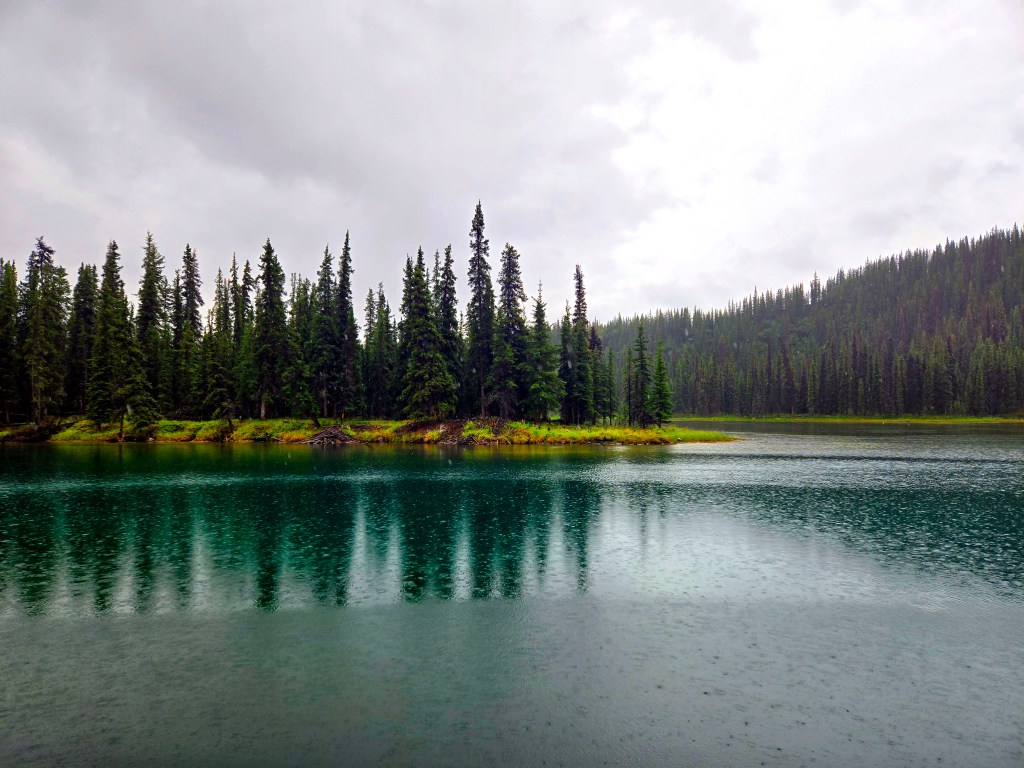
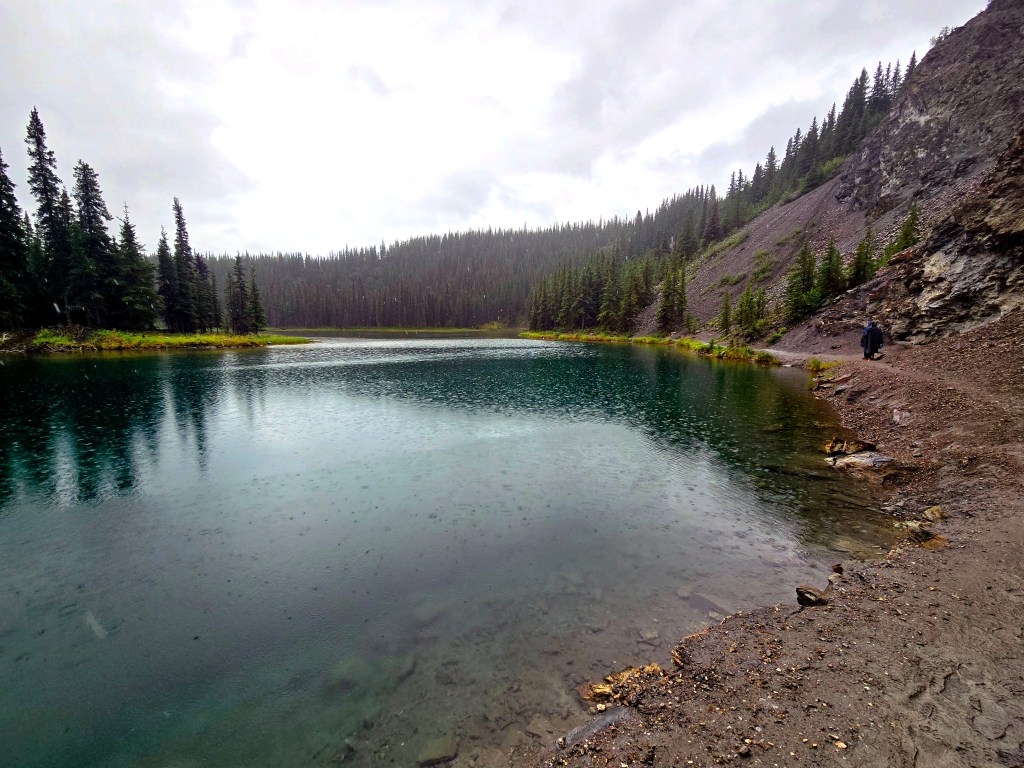
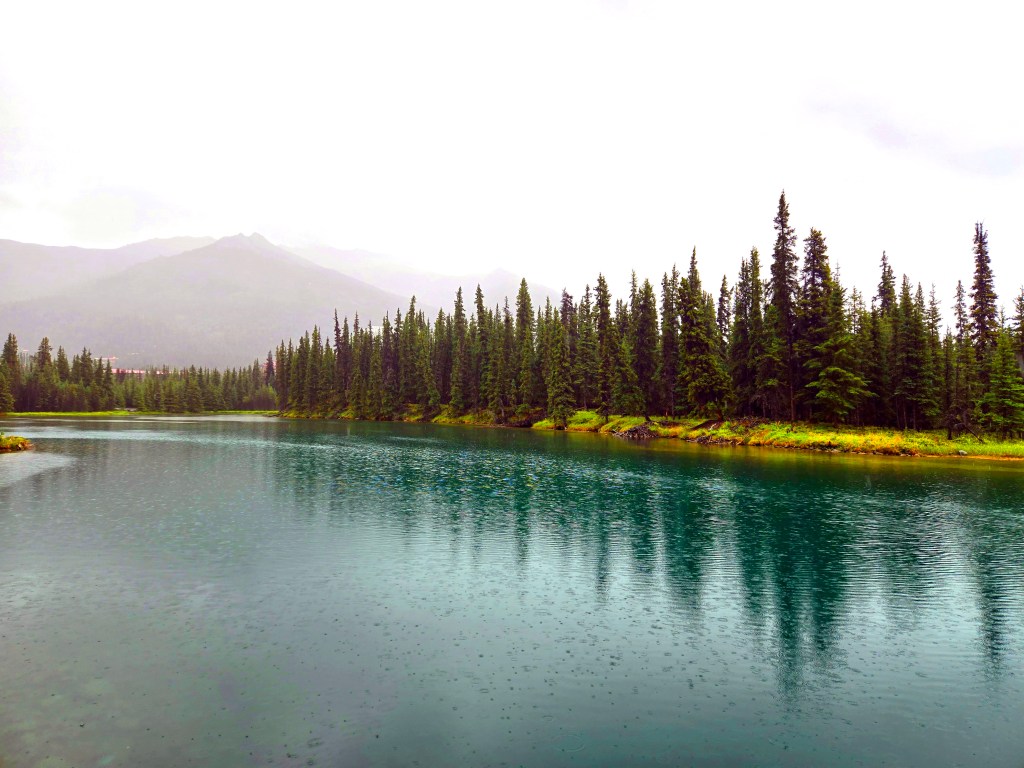
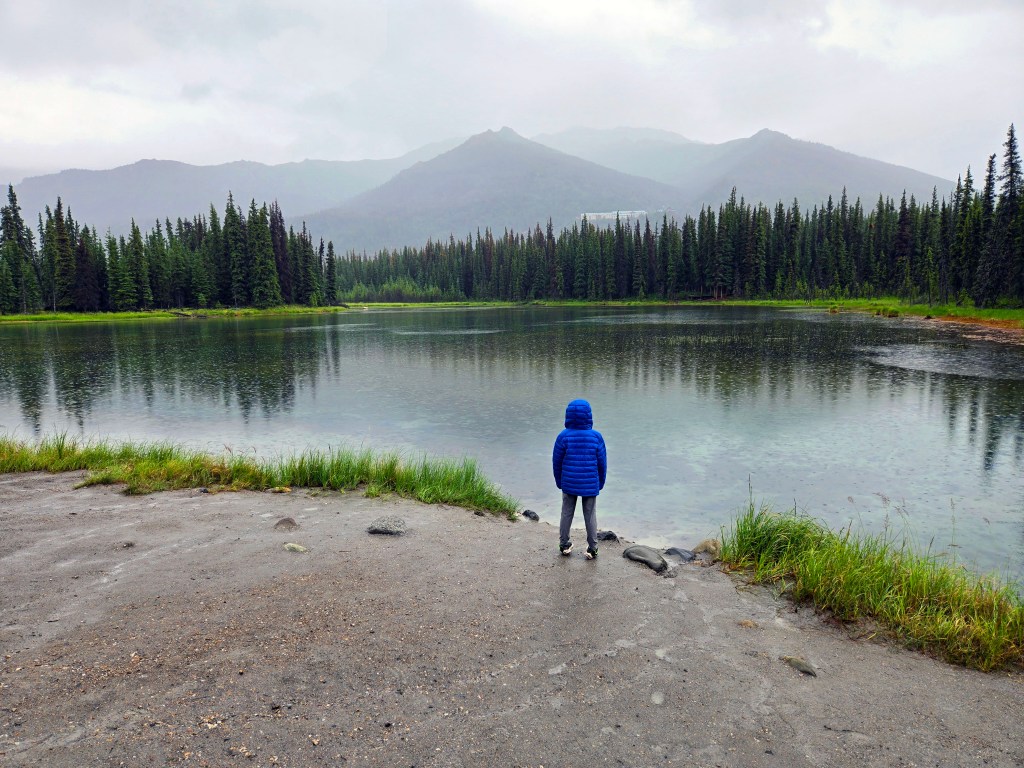
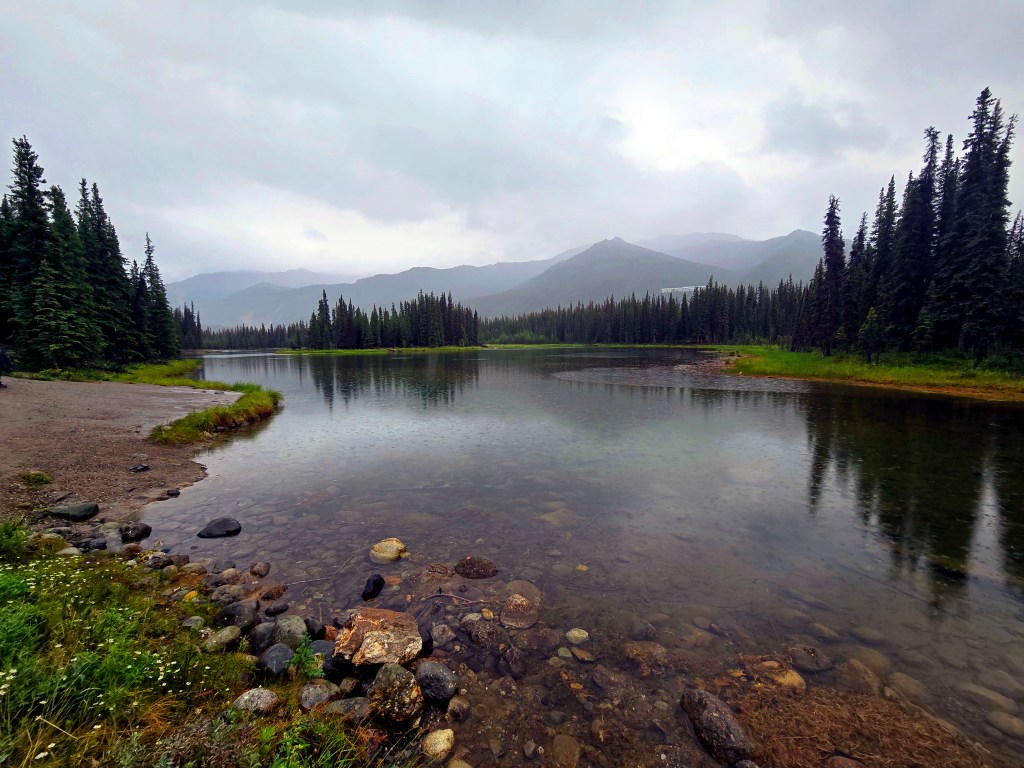
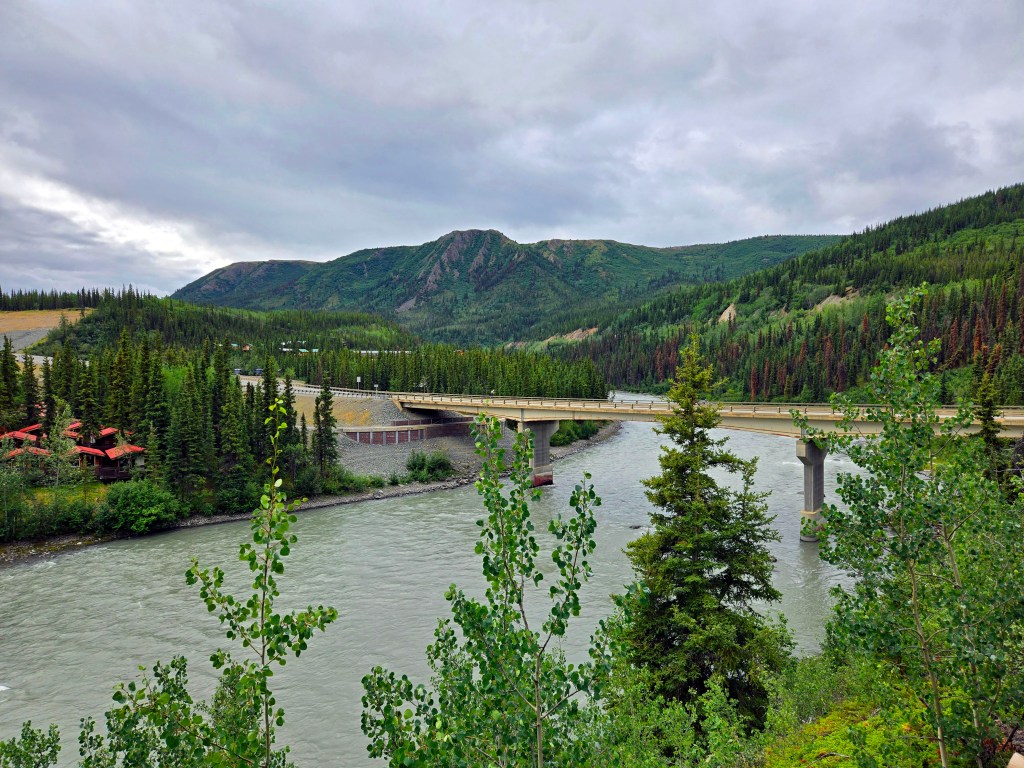
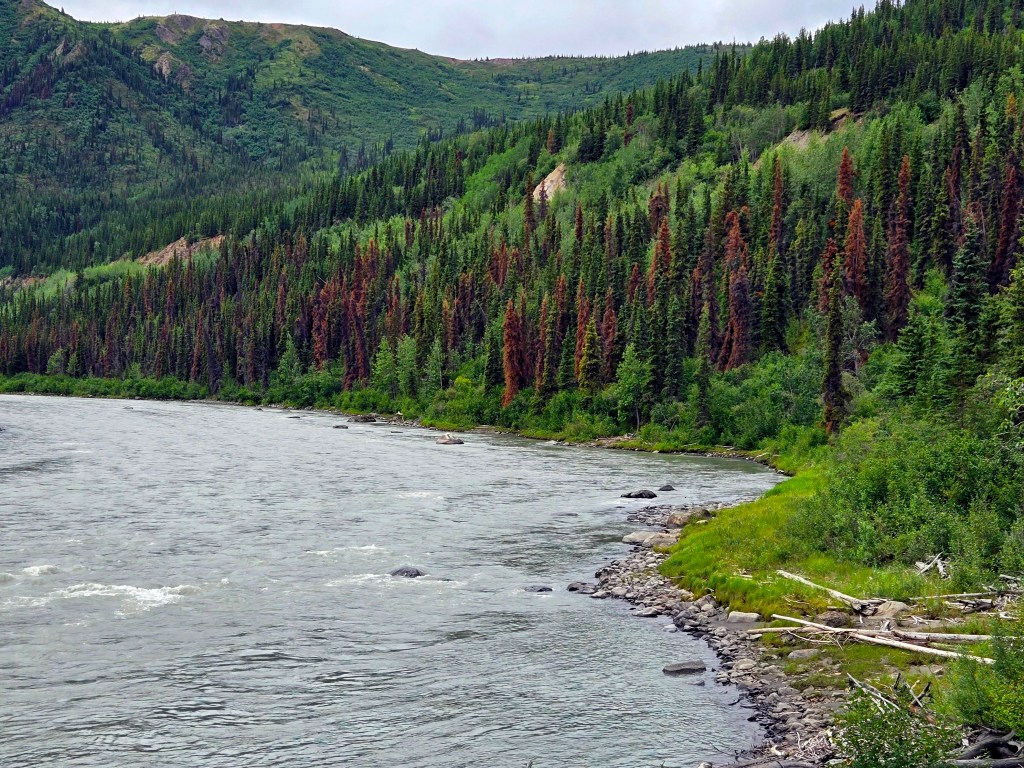
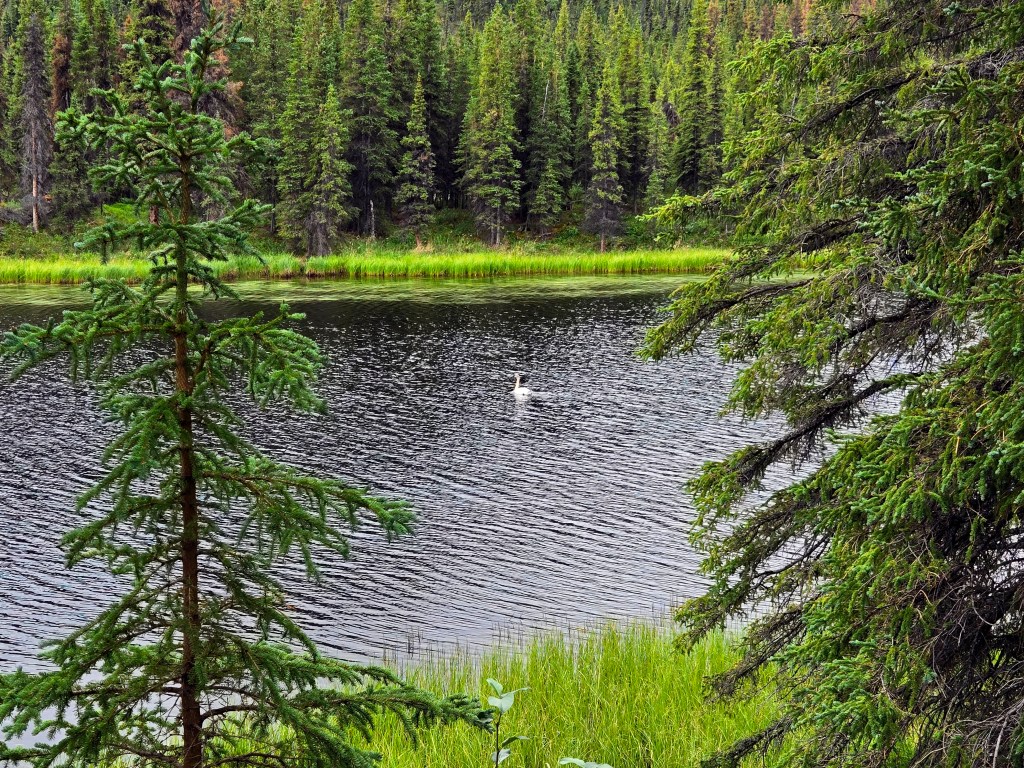
C) Horseshoe Lake Trail: We started our second day with the Horseshoe Lake Trail, one of the most popular and rewarding short hikes in Denali. Although it’s often listed as a 2-mile hike, it ends up being closer to 4 miles round trip, when you start at the visitors center. The hike itself is easy to moderate and absolutely worth the effort. We did it on a lightly rainy, foggy day, and even then, or perhaps because of it, the scenery was spectacular. A rain jacket came in handy, but the trail was very manageable. One of the nicest surprises was the sudden view of the gushing Nenana River where you can often see rafting groups floating by. As you descend toward Horseshoe Lake, the landscape opens up into a stunning scene: turquoise-blue water, surrounded by lush green and brown forest, with towering mountains rising behind it. Reaching the lake level was truly mesmerizing and offered some of the most beautiful photo opportunities of our time in Denali. If you’re choosing just one short hike in the park, this would easily be a must-do.
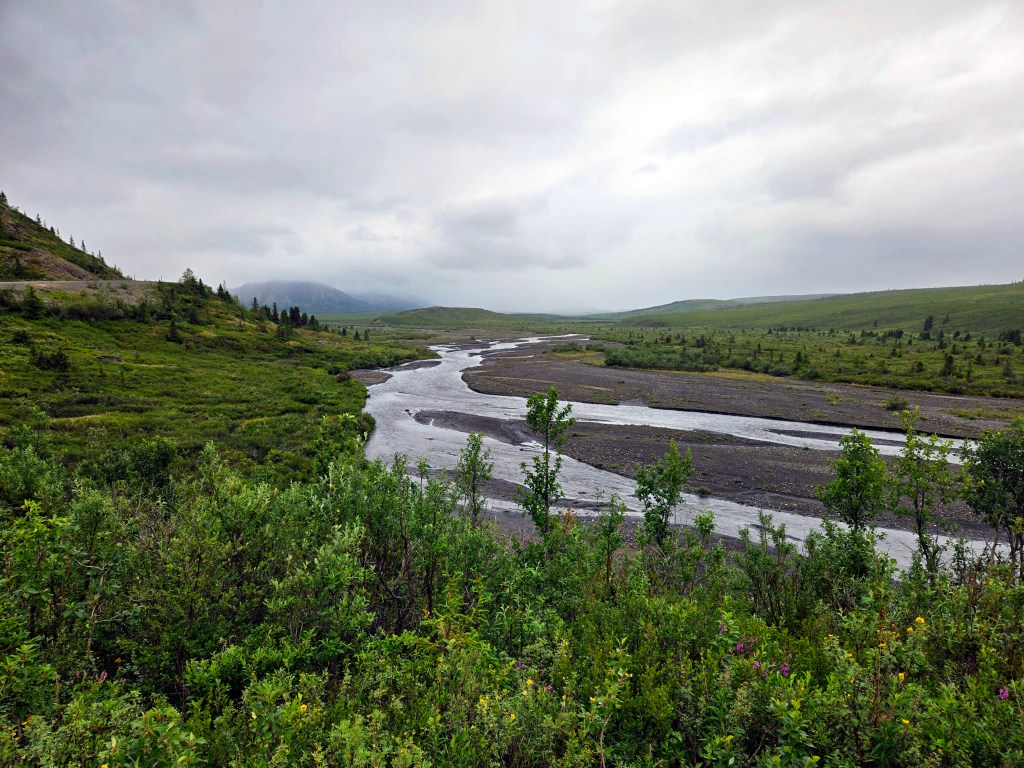
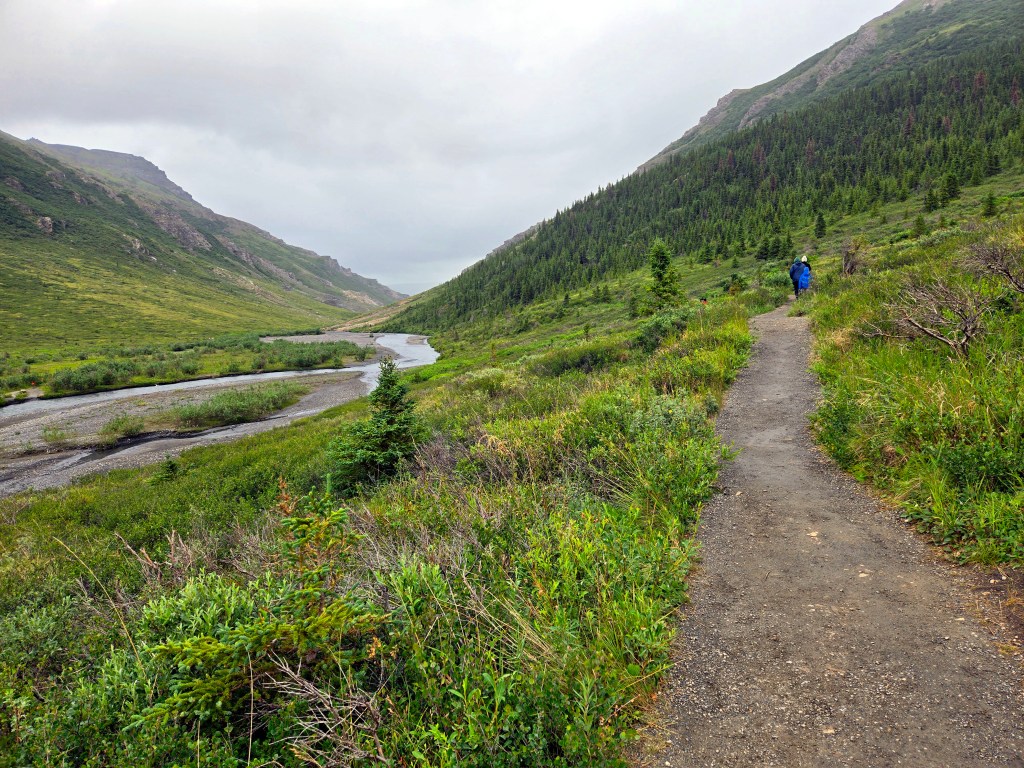
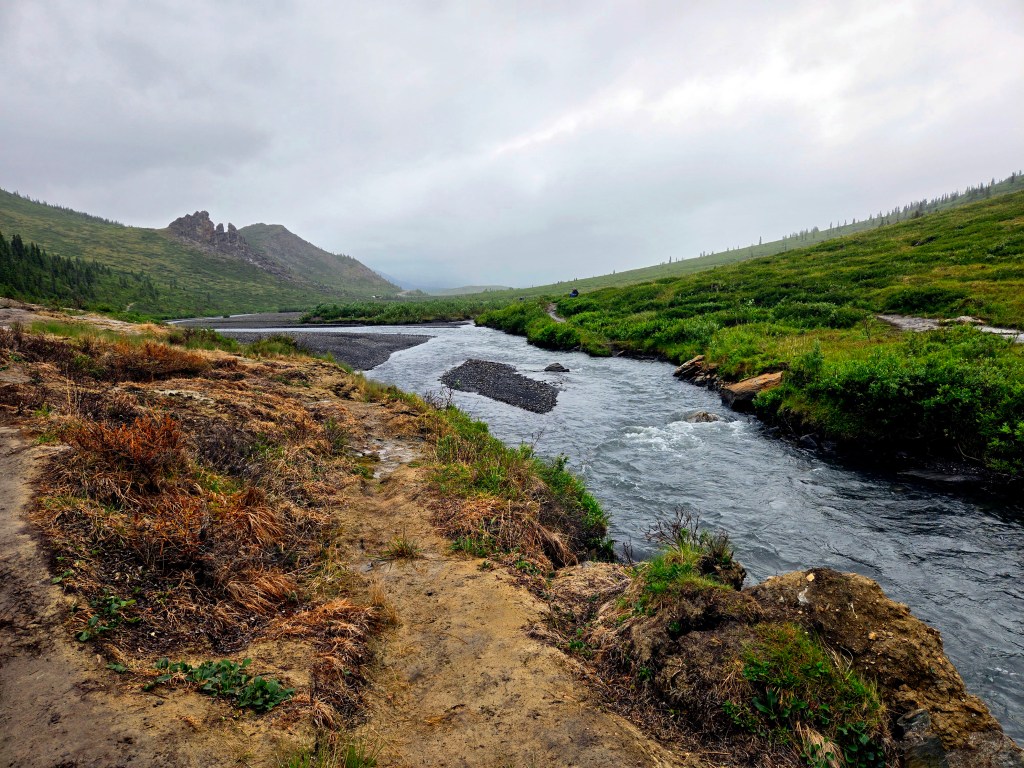
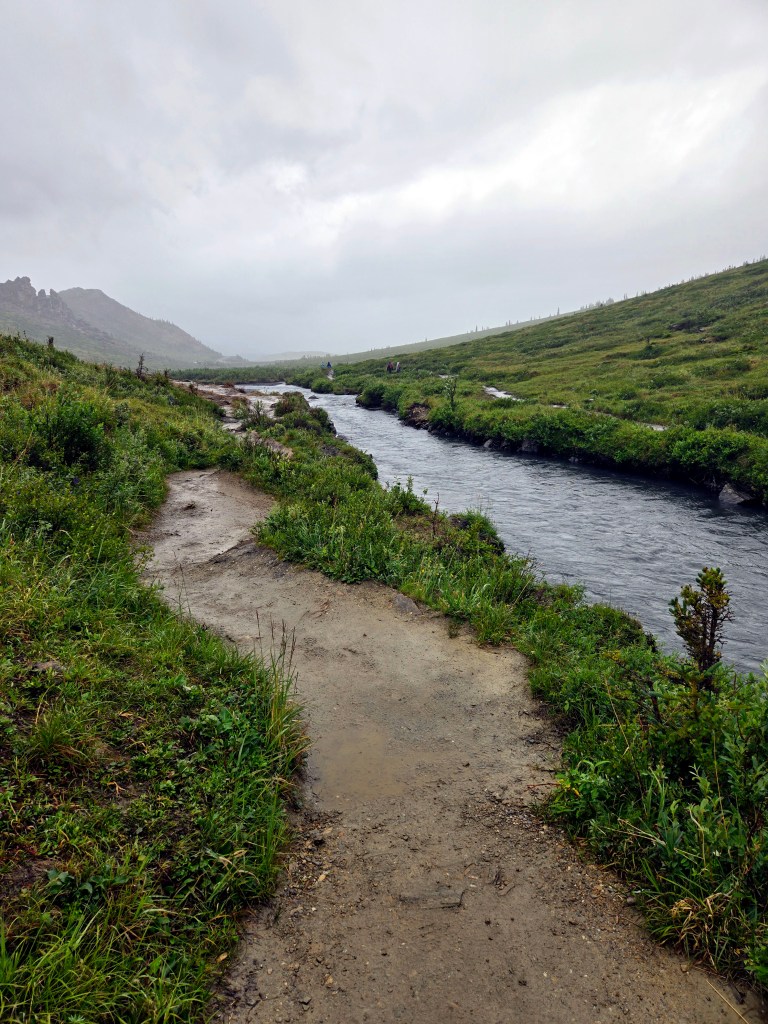
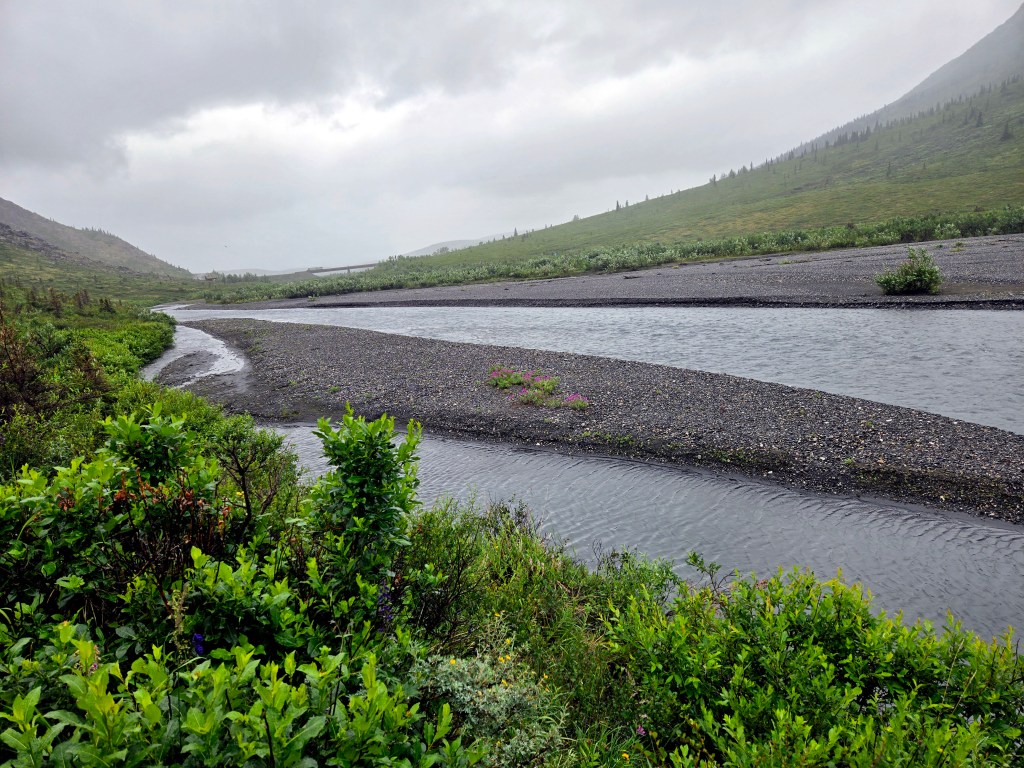
D) Savage River Loop Trail: After lunch, we drove deeper into the park to around mile 15 and explored the Savage River Loop Trail. This is an easy, mostly flat loop of about 2 miles round trip, following the river and offering a very peaceful walking experience.The sound of the flowing river, wide open views, and quiet surroundings make this trail especially calming. We didn’t complete the entire loop because we had a timed ATV tour later in the afternoon, but even the portion we walked was enjoyable and relaxing. If you have more time, this trail pairs nicely with the nearby Savage Alpine Trail, which is longer and more strenuous.
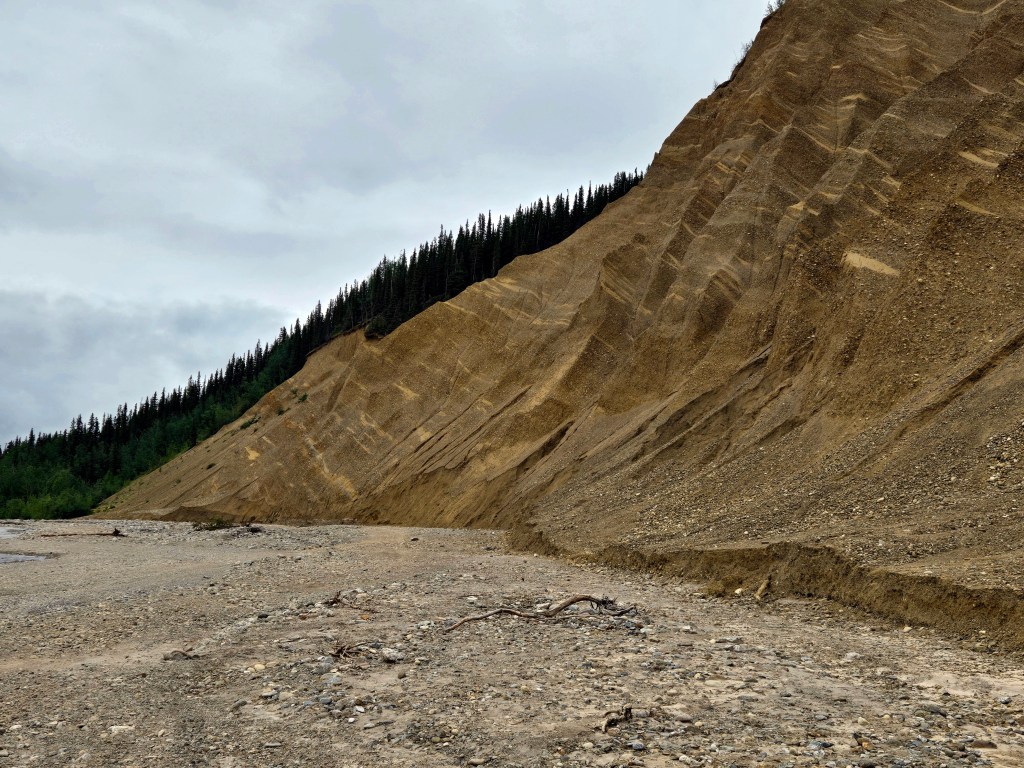
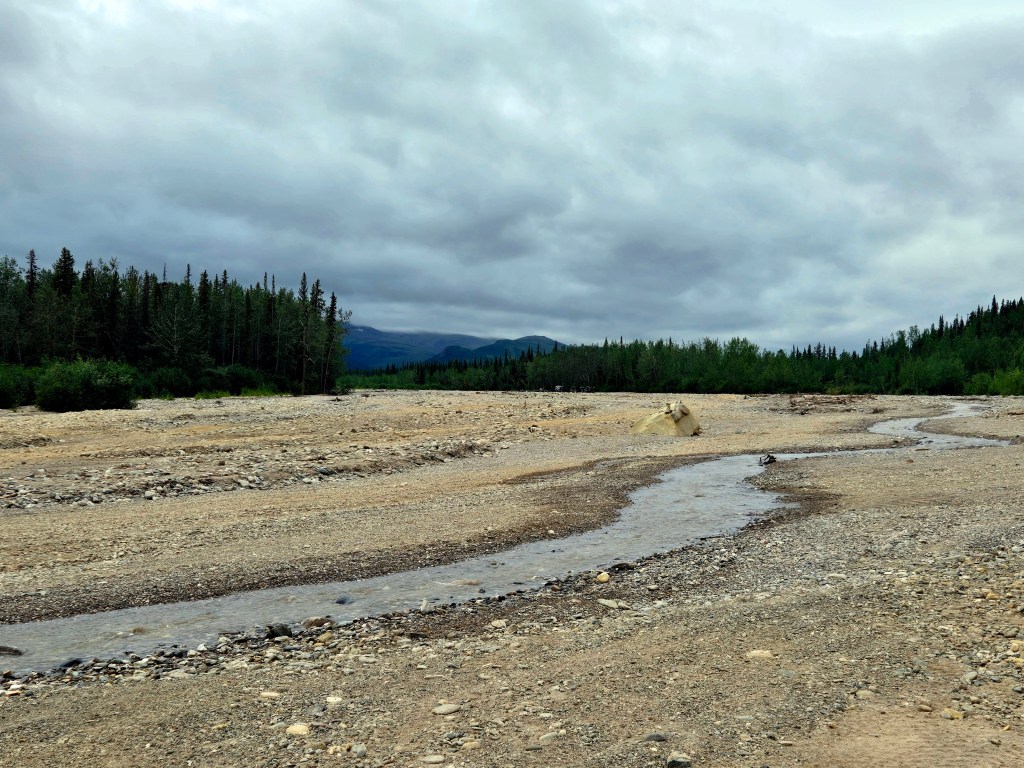
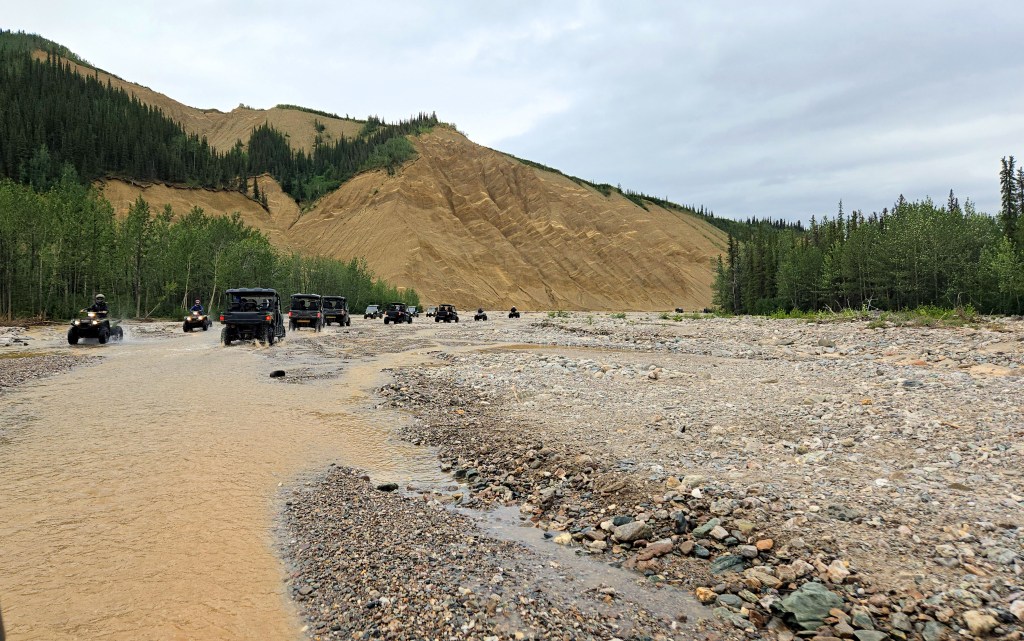
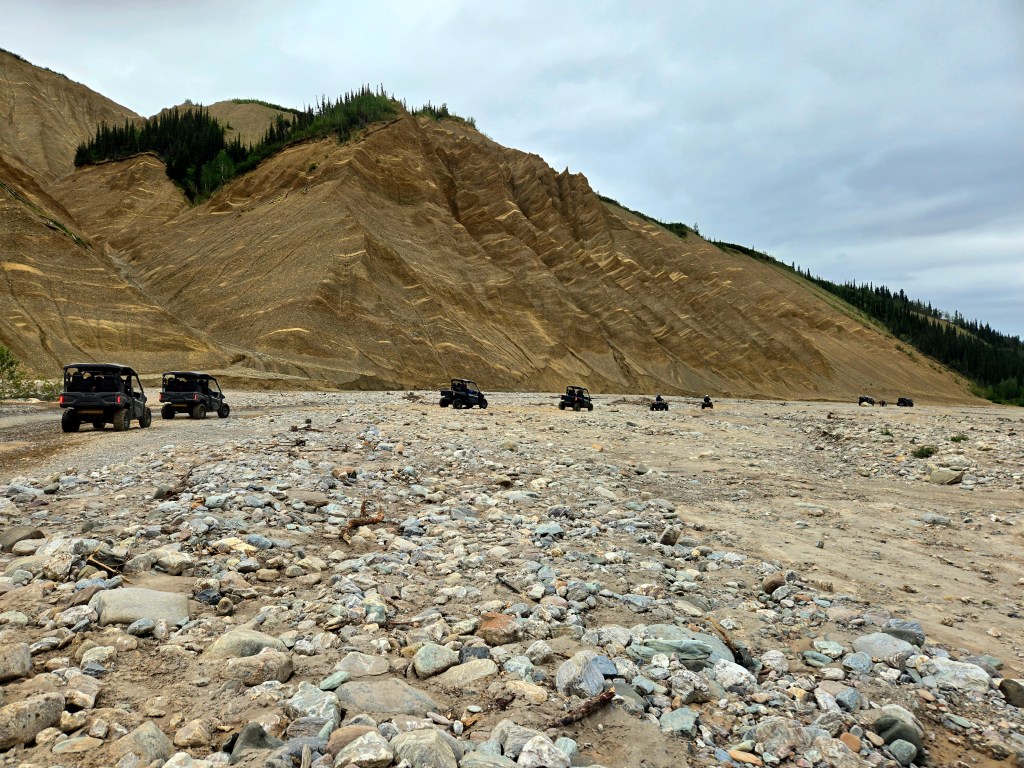
E) ATV tours:ATV tours in the Denali area operate outside the boundaries of the national park, since off-road vehicles are not allowed inside the park itself. These tours take you through private lands, old mining trails, forested paths, tundra, dry creek beds, and shallow river crossings, offering a hands-on adventure that contrasts nicely with the structured bus tours of the park interior. Several companies operate ATV tours in the area, including Black Diamond ATV Tours, Alaska ATV Adventures, and Denali ATV Adventures, the latter being one of the most well-known and popular operators. Tours typically last between 2.5 to 3.5 hours and are fully guide-led. The tour begins with a safety briefing and gear fitting. Helmets are mandatory and provided, and most operators also supply goggles and rain gear if weather conditions call for it. Riders then follow a lead guide along a series of backcountry trails, with communication handled via headsets. Single riders also take a driving test to ensure eligibility whereas there are also options for double riders or group riding of upto 6 that do not require a test. We opted for a group vehicle, which allowed our entire group to ride together including kids and we rotated drivers at designated stops so everyone had a chance to drive. The route itself is varied depending on the kind of tour you book. We booked the Denali Wilderness Adventure. You ride through muddy and gravel trails, forested areas, open tundra, dry creek beds, and sections of old mining roads. You even get to drive directly through shallow water crossings, which adds an element of thrill and makes the experience feel distinctly Alaskan. There are multiple stops along the way, where guides pause to explain the history of the area including mining activity, local geography, and how the landscape has been shaped over time. One stop in particular stood out for families: an area scattered with interesting stones and rocks, remnants of old mining activity and glacial movement. Kids especially enjoyed spending time here, picking up stones and exploring while guides provided context about the terrain. Throughout the ride, there are frequent opportunities for photos and short breaks to take in views of the Alaska Range and the surrounding wilderness. Wildlife sightings aren’t guaranteed, but it’s not uncommon to see moose, hares, or other animals depending on the day. The tour is 2.5 hours in total with actual driving time about an hour. The tour company also offers a Midnight Sun ATV Tour, which takes place at 9pm and allows you to ride under Alaska’s near-constant summer daylight. While we didn’t choose this option, it sounded like a unique experience. Riding through the landscape with golden light lingering late into the night is something you can only do in Alaska, and it could be especially appealing if you’re comfortable with late evenings and want something a bit out of the ordinary. ATV tours can be dusty, muddy, or wet, depending on conditions. Closed-toe shoes are required, and it’s best to wear old clothes and layers. Even in summer, temperatures can change quickly. Bringing a camera is highly recommended, and if you’re driving, you’ll need your driver’s license. You can also carry non-alcoholic drinks and snacks to munch on along the way. I would also like to add that in addition to ATV tours, Denali also offers the option of Jeep Tours (e.g., Denali Jeep Tours and Fat truck Tours. Jeep tours take place on slightly more predictable four-wheel-drive vehicles and are often praised for comfort over raw wilderness immersion. They can go off asphalt, but generally aren’t as aggressive off-road as ATVs. Jeep tours are ideal if you want a rugged feel without the physical demands of an ATV. Fat-truck Tours use bicycles with oversized tires designed for soft terrain like tundra, trail, and snow. These are excellent if you want human-powered movement over rough ground but significantly less intense than ATVs. They’re slower and more leisurely, and fantastic for photography or casual exploration, but they don’t cover as much ground as motorized tours and are weather-dependent.
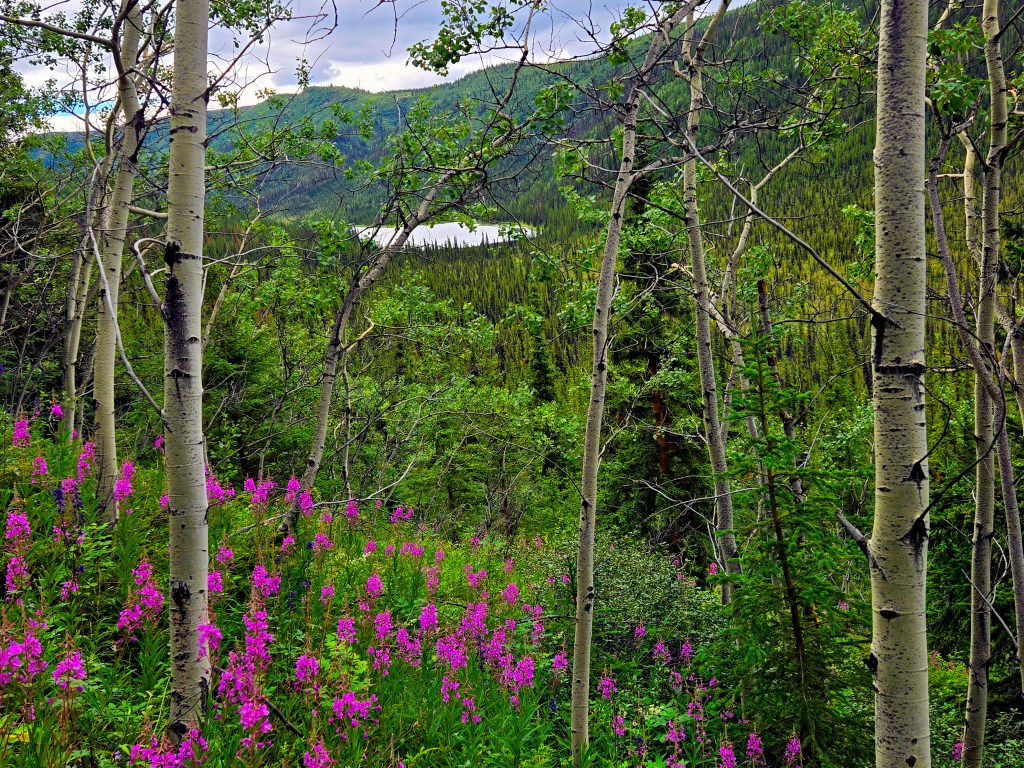
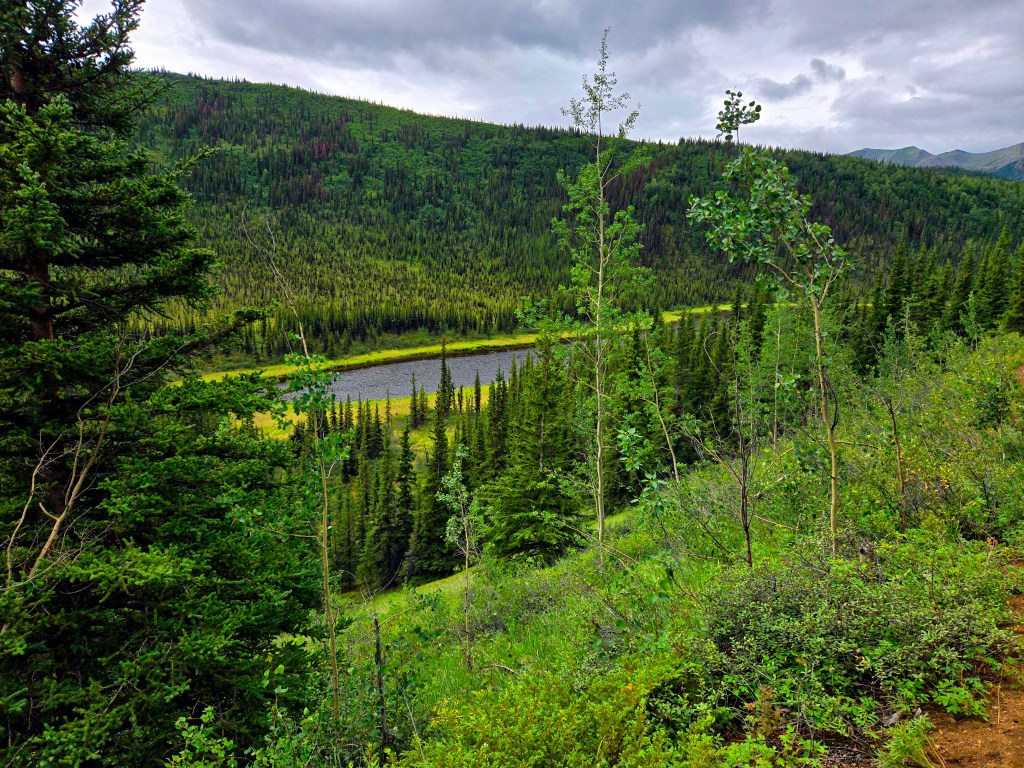
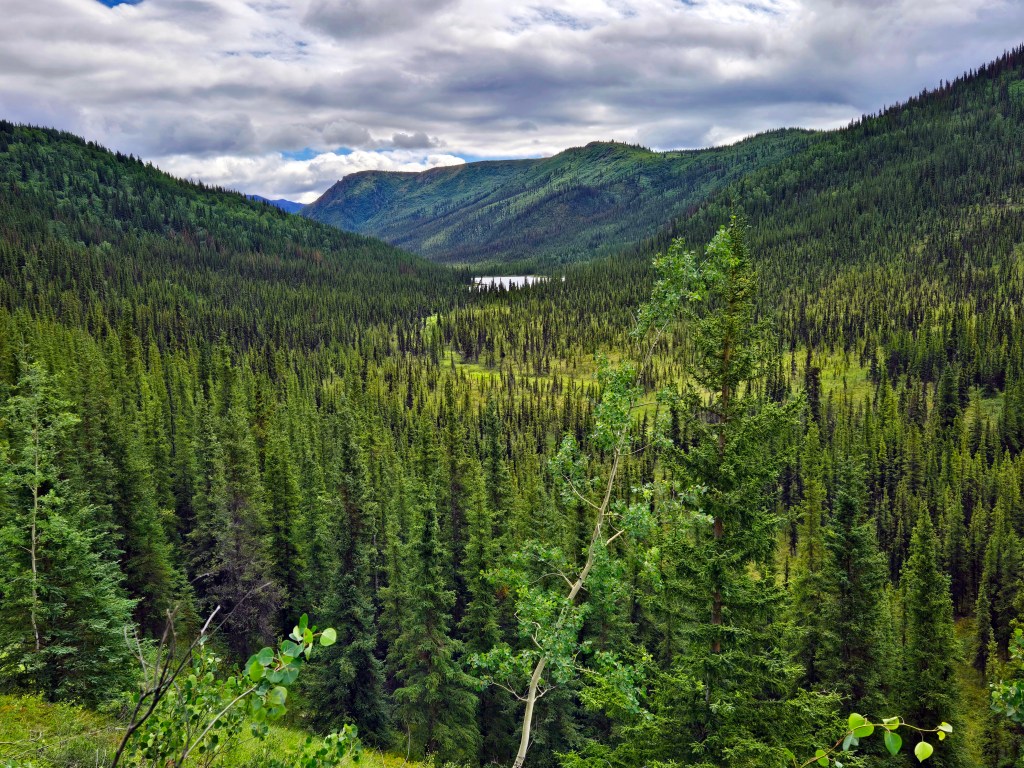
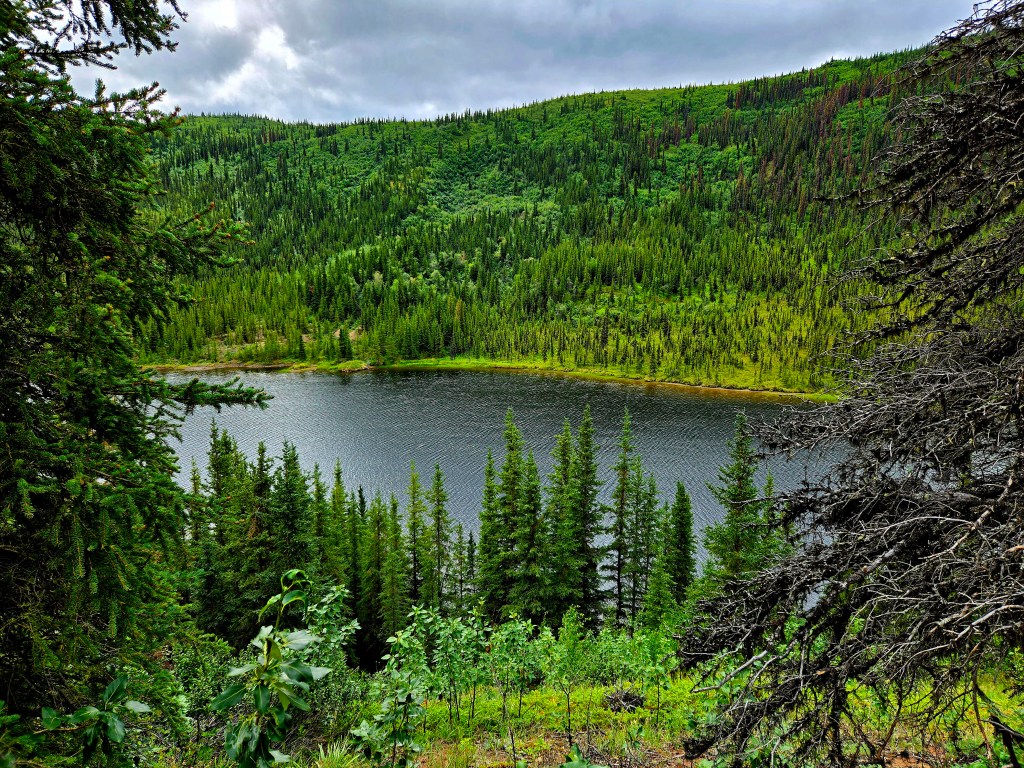
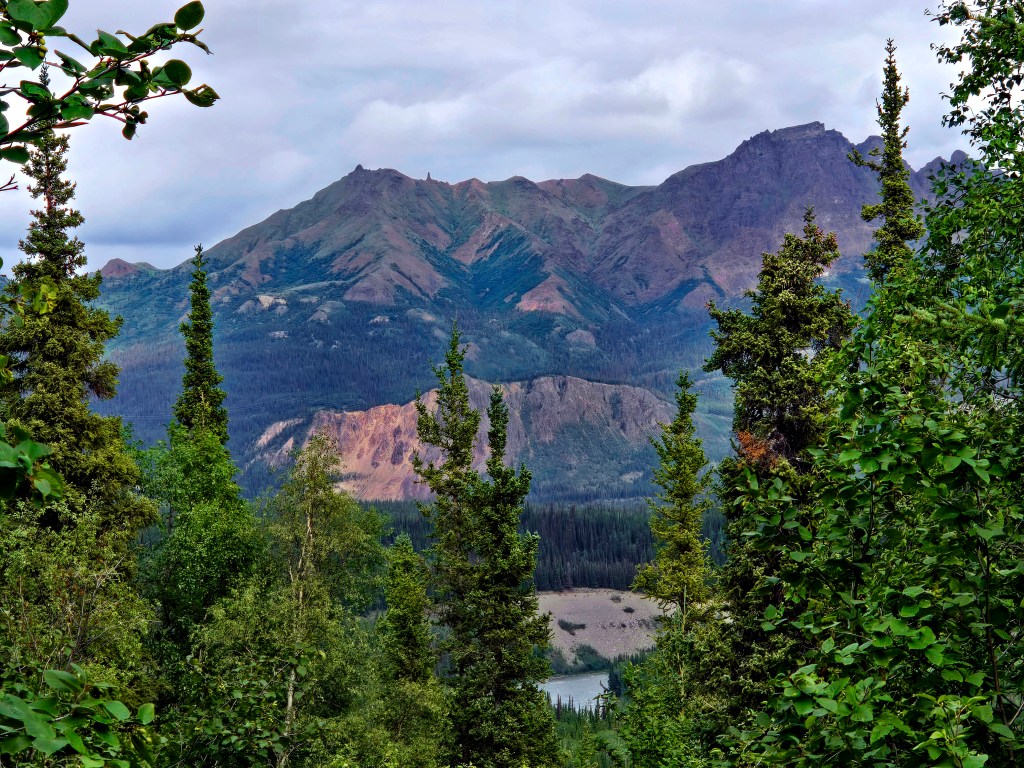
F) Triple Lakes Trail: After two very full days in Denali, day 3 was all about getting out on our own and hiking, and the Triple Lakes Trail turned out to be the perfect choice. We did the Triple Lakes Trail as a round-trip hike, starting and ending at the Tsenesdghaas Na’ Trailhead, where there is plenty of parking, making logistics simple. The hike is about 6 miles round trip and took us roughly 4 to 4.5 hours to complete at a comfortable, unhurried pace. The trail is best described as scenic, refreshing, and moderately challenging, engaging without being exhausting. What makes this hike especially enjoyable is how varied and immersive the landscape feels. The trail winds through lush, dense vegetation and forest, opening up periodically to reveal serene, beautifully framed lakes that feel tucked away and peaceful. It’s the kind of hike where the surroundings constantly shift just enough to keep things interesting, without ever feeling overwhelming. Reaching the lakes felt rewarding, and the entire hike had a calm, grounding quality to it, a wonderful contrast to the busier, more structured activities from earlier days. One of the great things about the Triple Lakes Trail is its flexibility. Instead of turning back at the lakes, hikers can choose to continue onward, extending the hike to about 9.5 miles, which eventually ends near the Denali Visitor Center. If you choose this option, you’ll need to take the park shuttle back to your car at the Tsenesdghaas Na’ Trailhead. You can also do this hike in reverse, starting at the Denali Visitor Center and ending at the trailhead, but this direction is slightly more difficult, with more elevation gain earlier in the hike. For us, starting at the trailhead and turning back after the third lake to end back at the trailhead, worked perfectly and allowed us to enjoy the trail without worrying about shuttle timing.
G) Other Attractions in Denali National Park
- Nenana River Rafting
- Other Hikes:
-Mountain Vista Trail: 0.6miles Easy
-McKinley Station Trail: 3.2 miles RT. Easy to Moderate.
-Taiga Trail: 1.6miles RT. Easy
-Oxbow Trail: 1.2 Miles RT, Easy.
-McKinley Bar Trail: 4.7 Miles RT. Moderate.
-Mount Healy Overlook Trail: 5miles RT. Strenuous.
Seward
After wrapping up our time in Denali, we began the long but incredibly scenic drive from Healy back to Anchorage and onward to Seward. The total drive takes roughly 6.5 to 7 hours, so we treated this day as a gradual transition from Denali’s interior wilderness to Alaska’s coastal landscapes rather than a rushed travel day. We drove straight through to Anchorage, where we stopped for lunch, and from there the scenery begins to change dramatically as you approach the Seward Highway.
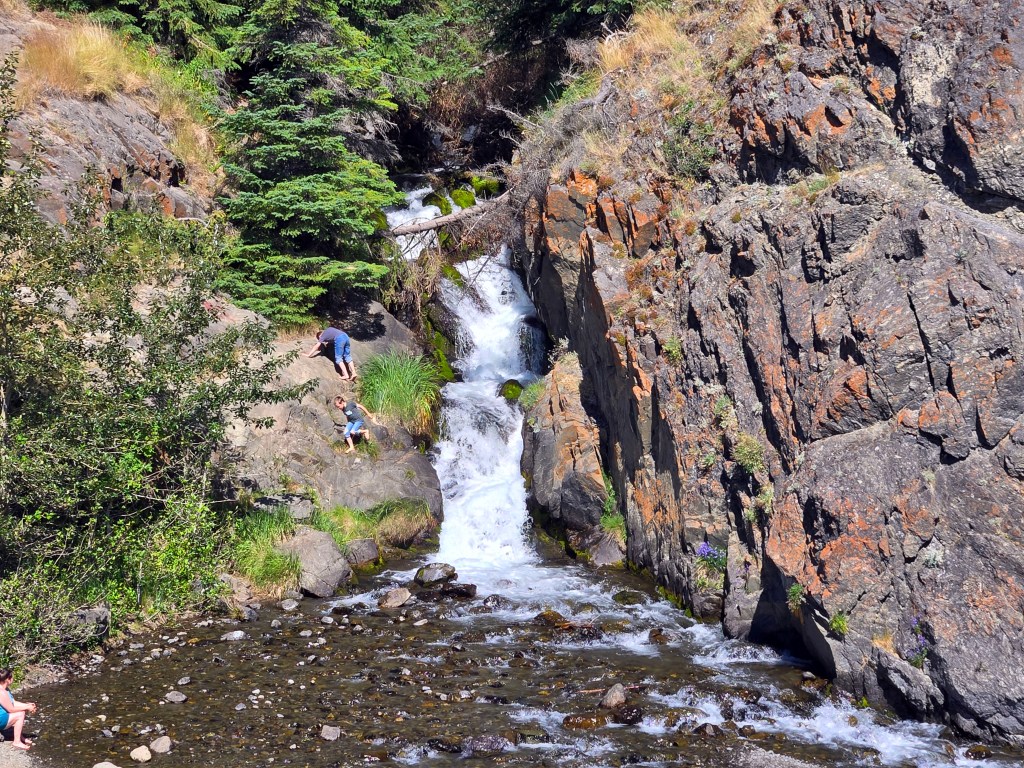
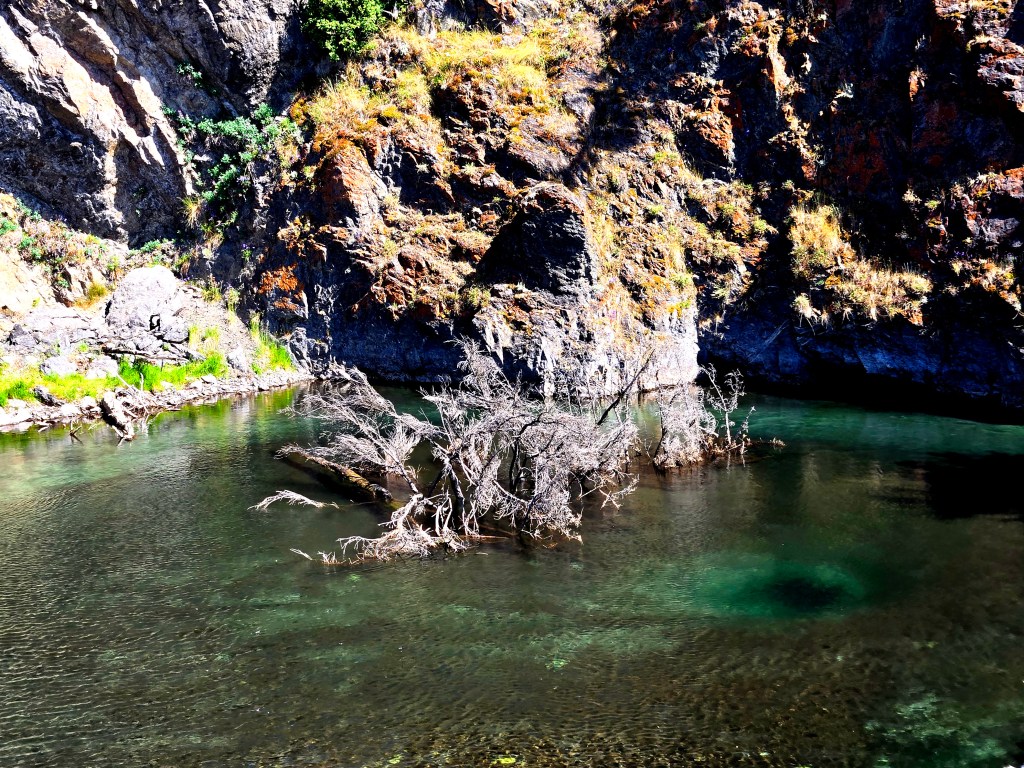
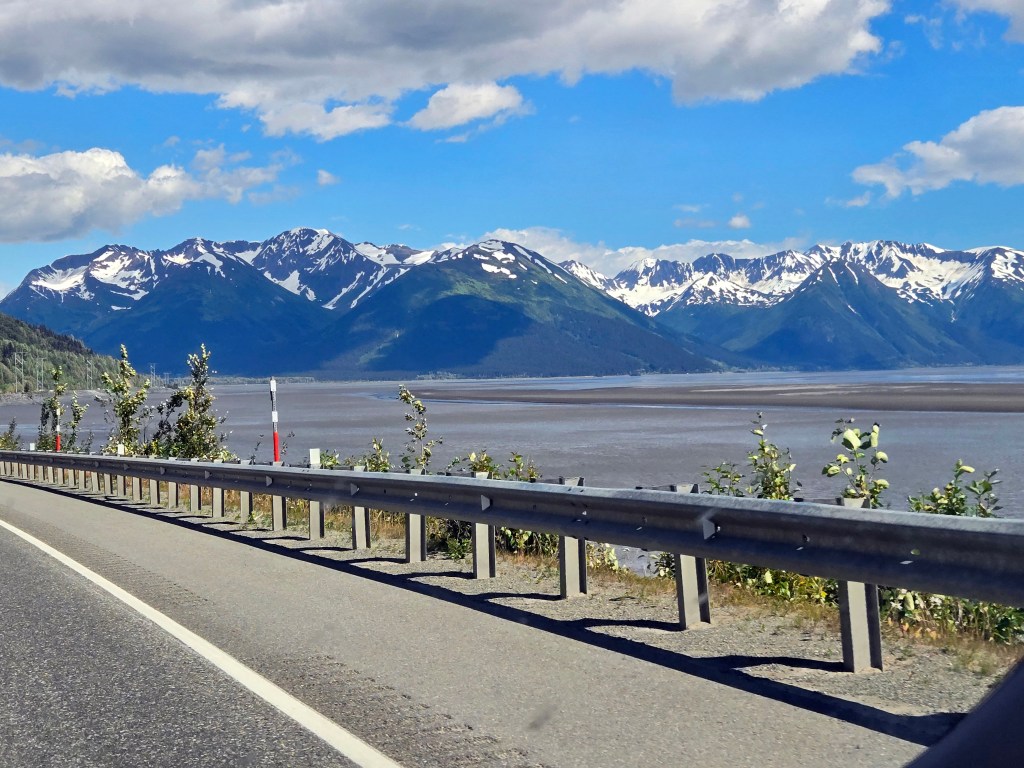
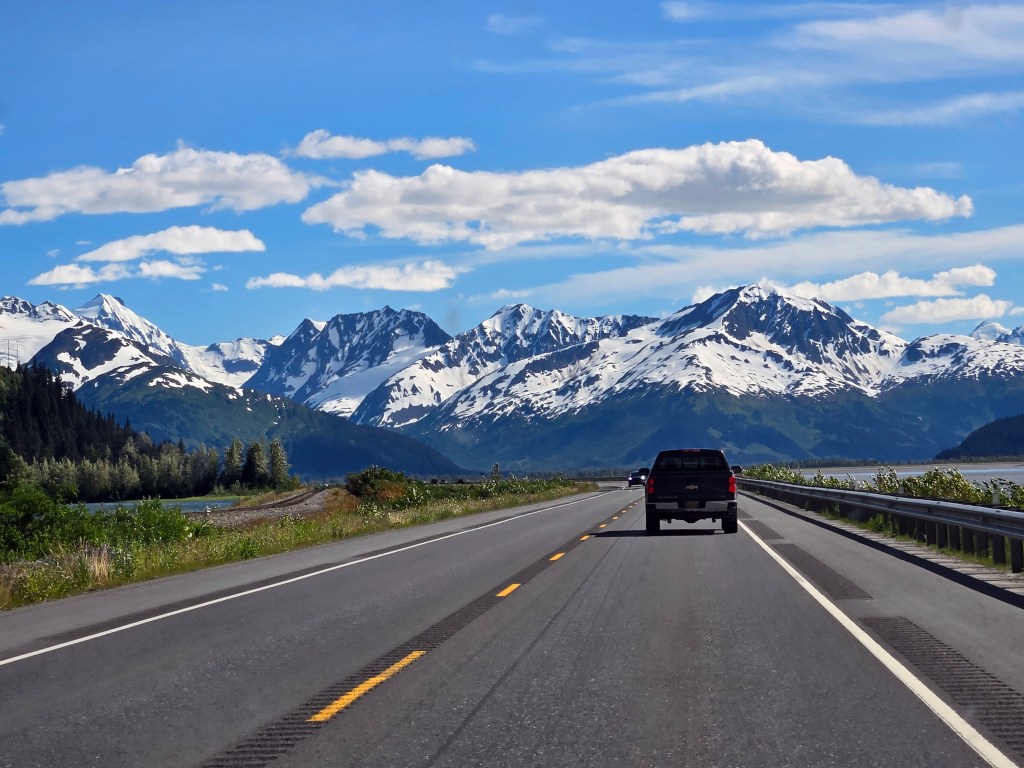
A) Seward Highway :Often considered one of the most scenic drives in the United States, the Seward Highway hugs the edge of Turnagain Arm, where steep mountains rise sharply on one side while expansive tidal flats, shimmering water, and distant glaciers stretch out on the other. Even without frequent stops, the drive itself is visually engaging, with constant changes in terrain and light. As you follow the coastline, you’re surrounded by rugged landscapes carved by ice over thousands of years. While many of the glaciers along this route aren’t roadside walk-ups, they are clearly visible throughout much of the drive. You’ll see hanging glaciers, snowfields tucked into the Chugach Mountains, and broad ice-carved valleys opening toward the water. Some of the most notable glaciers in this region include Portage Glacier , Byron Glacier , and Explorer Glacier, all of which contribute to the dramatic alpine-meets-ocean scenery that defines this stretch of road. We made just a couple of brief stops along the way, keeping the day relaxed and unhurried. Creek Fallswas a very quick pull-off and an easy roadside stop for a photo opportunity. It’s convenient and accessible, though you could easily spend more time here if you wanted to explore further or linger. For us, it was more of a short pause to stretch our legs rather than a major highlight. We also stopped at Beluga Point, one of the most popular viewpoints along the Seward Highway. This overlook offers wide panoramic views of Turnagain Arm, distant glaciers, and the surrounding mountains. While it’s often described as spectacular, we personally found it more pleasant and scenic than jaw-dropping. That said, one of the nicest aspects of Beluga Point is the opportunity to scan the high cliffs across the road for Dall sheep, which are sometimes visible perched on steep rock faces. It’s also known as a spot where beluga whales can occasionally be seen in the arm during certain times of year, though we didn’t spot any during our visit.If you have more time or want to break up the drive further, there are several additional stops worth considering along the Seward Highway:
Bird Point – One of the most popular overlooks with sweeping views of Turnagain Arm.
Girdwood – A charming stop for coffee, lunch, or a ride up the Alyeska Aerial Tram.
Alaska Wildlife Conservation Center: A great stop if you want guaranteed wildlife sightings in a short time.

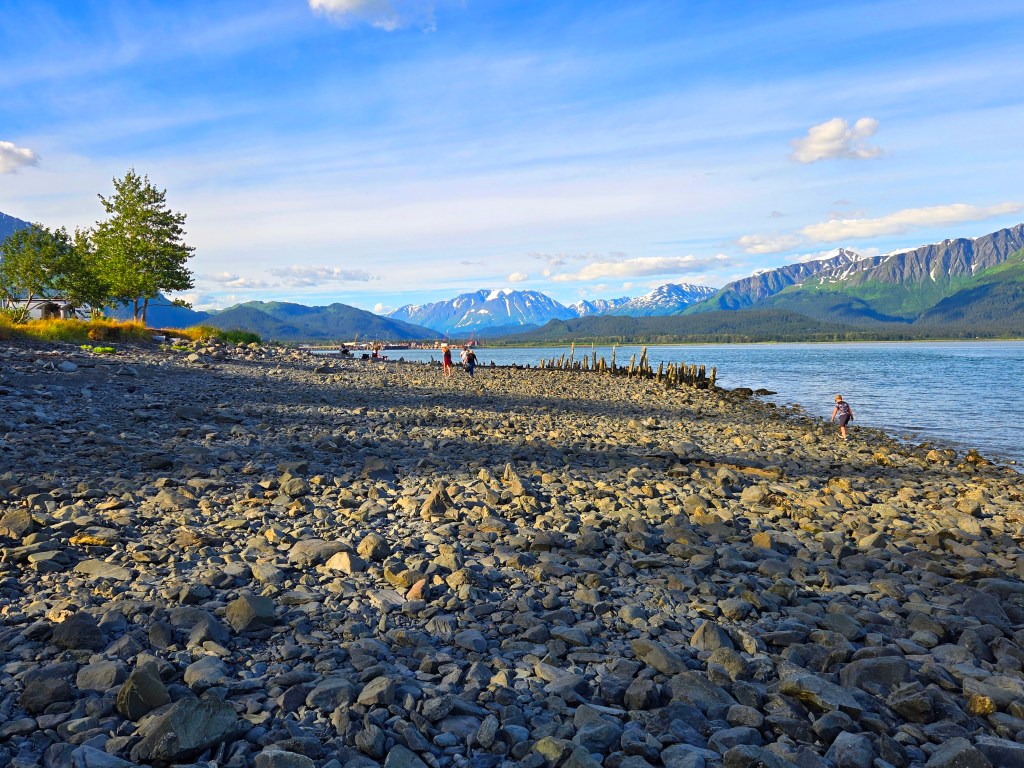
B) Seward Waterfront: After arriving in Seward, we spent a relaxed hour or two walking along the waterfront, which turned out to be a perfect way to ease into the town after a long drive. The Seward waterfront is flat, paved, and very easy to walk, making it ideal for a casual evening stroll rather than a planned hike. The main walking path runs along Seward Waterfront Park and the harbor area and can easily be adjusted in length depending on how far you want to go. You can walk a short loop near the harbor or extend it farther along the shoreline; overall, you can comfortably spend 1–2 hours here without feeling rushed. One interesting aspect of the waterfront is that it also functions as a campground, with several RVs and camper vans parked along the shoreline. Seeing people settled in for the night with views of the water and mountains adds to Seward’s relaxed, outdoorsy vibe. There are also playgrounds for kids, making this a family-friendly area where children can burn off energy while adults enjoy the views. The path itself is paved ( ~2miles) but if you want to get closer to the water, you can easily step off onto the rocky and pebbled shoreline, which many people do. It’s a nice option if you want to sit closer to the water, skip stones, or just enjoy the sound of the waves. The waterfront is also a great place for marine life spotting, even without taking a boat tour. While walking, you’ll often see sea otters floating near the harbor, seabirds like gulls and puffins, and occasionally sea lions lounging near docks or buoys. The harbor itself is lively, with fishing boats, tour boats, and kayaks coming and going, which adds a sense of energy without feeling crowded. Overall, the Seward waterfront felt like a calm, welcoming introduction to the town — scenic, accessible, and unpretentious.
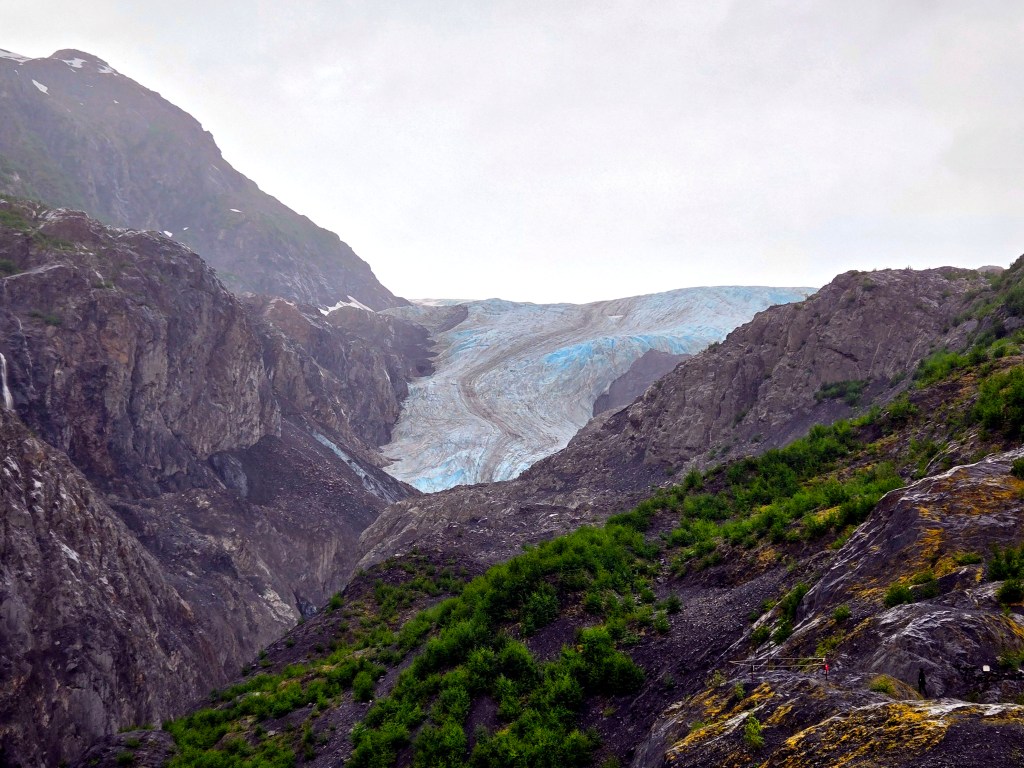
C) Exit Glacier: The Exit Glacier area is one of the most accessible and dramatic places to experience glacial landscapes in Alaska. Located just outside Seward within Kenai Fjords National Park, it offers visitors the rare opportunity to walk right up to a glacier and, for those up for a challenge, hike toward the vast Harding Icefield, which feeds dozens of glaciers across the region. On this day, I wasn’t feeling well and stayed back, while the rest of the group headed out to explore the area. Because of weather conditions and timing, they spent only a few hours here and didn’t attempt the full Harding Icefield hike, but even that limited time still offered an impressive glimpse into Alaska’s icy landscapes.The Exit Glacier itself is easily accessible via a short walk from the parking area and can be completed within 30-60mins. This makes it one of the few glaciers in Alaska that you can reach without extensive hiking or special equipment. Well-marked trails and interpretive signs show how dramatically the glacier has retreated over the past century, offering a powerful visual reminder of climate change. Even on a rainy day, the glacier area has a moody, dramatic beauty with mist rolling over ice, glacial runoff streams cutting through the valley, and dense green vegetation surrounding the ice. My group mentioned that the rain made the experience quieter and more atmospheric, though it also limited how far they wanted to hike.
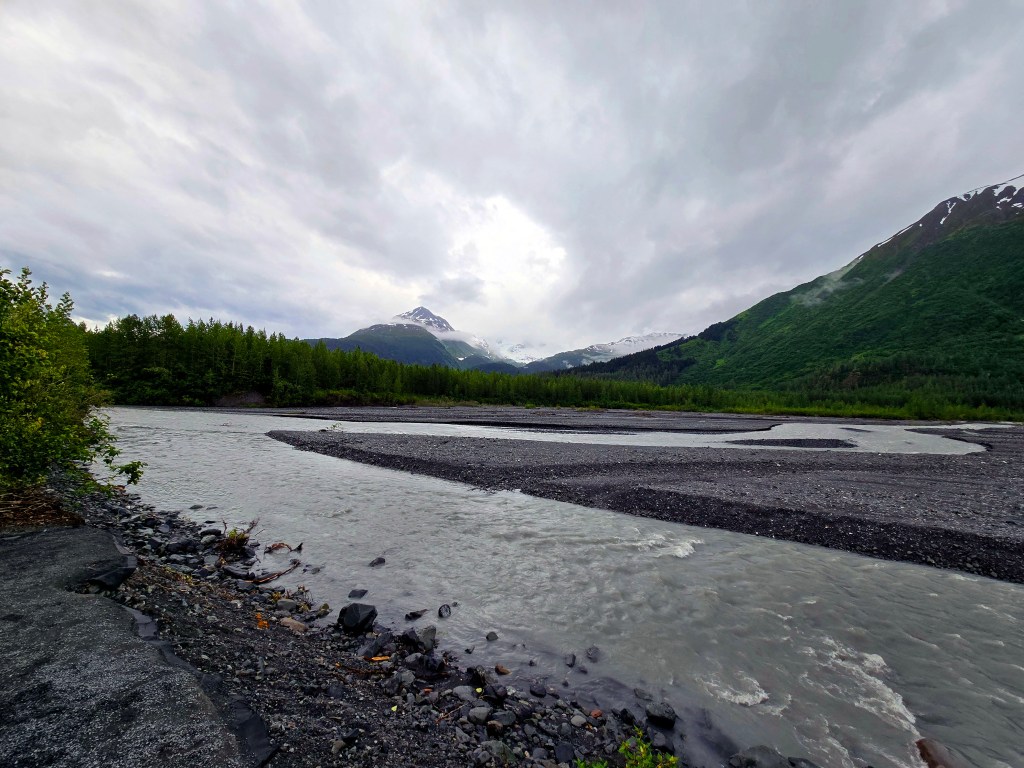
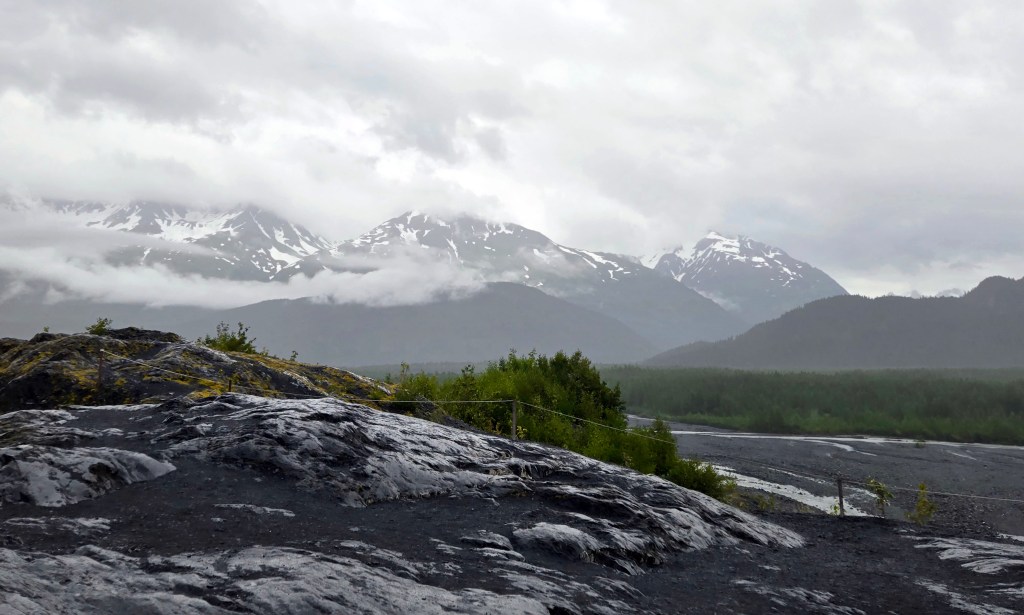
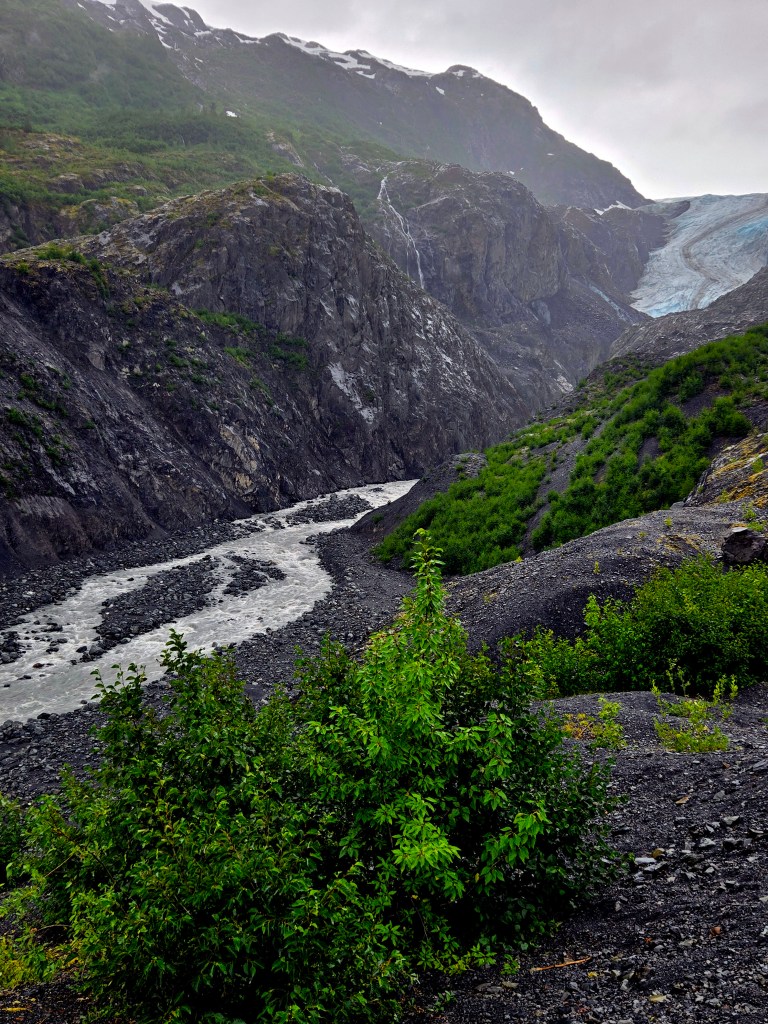
D) Harding Icefield Trail: The Harding Icefield Trail is one of the most strenuous and rewarding day hikes in Alaska. The full trail is approximately 8.2 miles round trip with nearly 3,000 feet of elevation gain, climbing from lush coastal forest all the way to panoramic views of the Harding Icefield — a massive expanse of ice stretching as far as the eye can see. Because of the steep grade, exposure, and rapidly changing weather, this hike is not something to take lightly. Rain, wind, and fog are common, and conditions can deteriorate quickly at higher elevations. On the day my group visited, rain and low visibility made it impractical to continue far up the trail, so they chose to hike only a portion before turning back. Even hiking just the lower sections of the trail offers beautiful views of forested slopes, glacial streams, and occasional openings where you can see the glacier below. Even the brief experience feels worthwhile without committing to the full ascent.
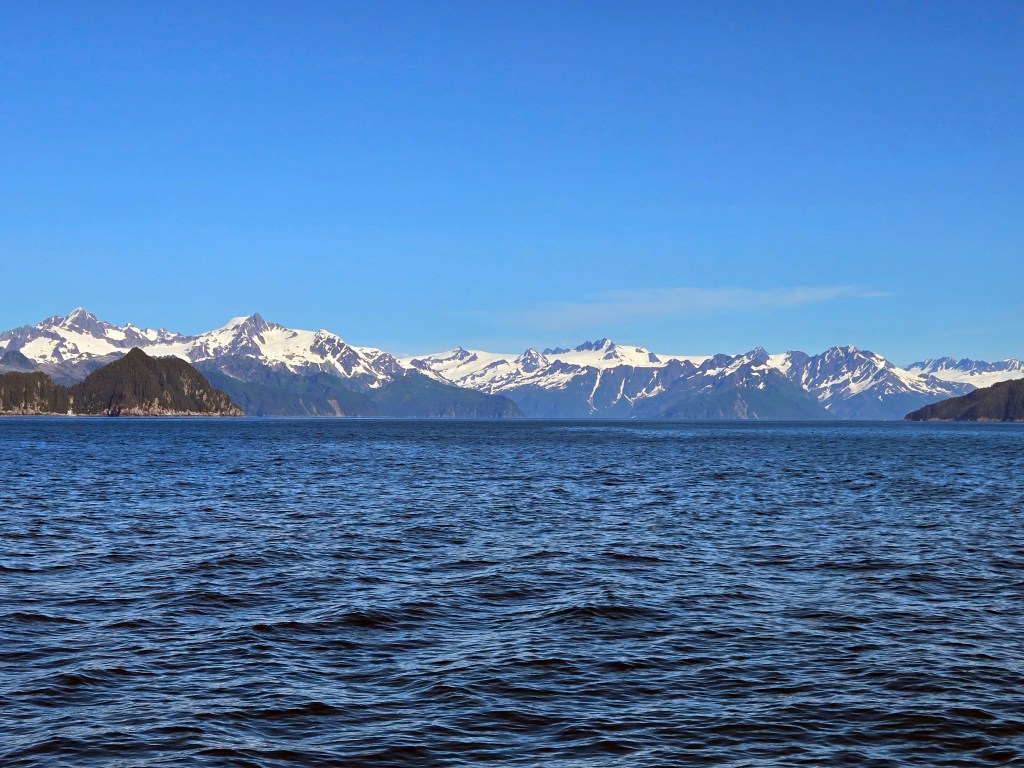
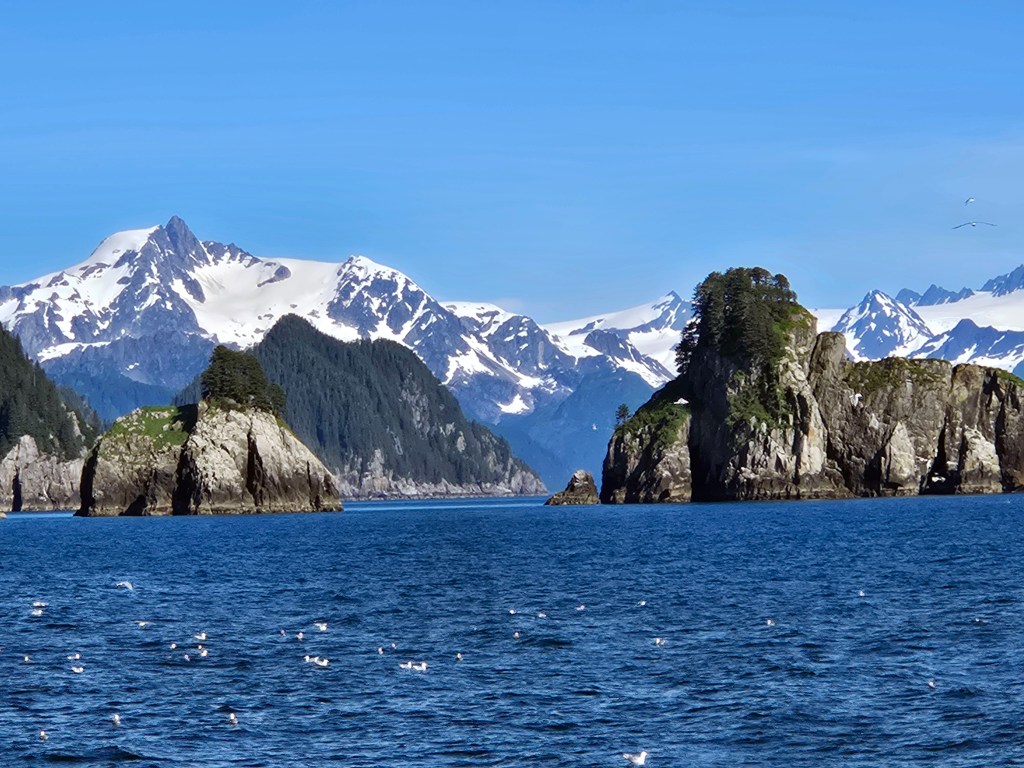
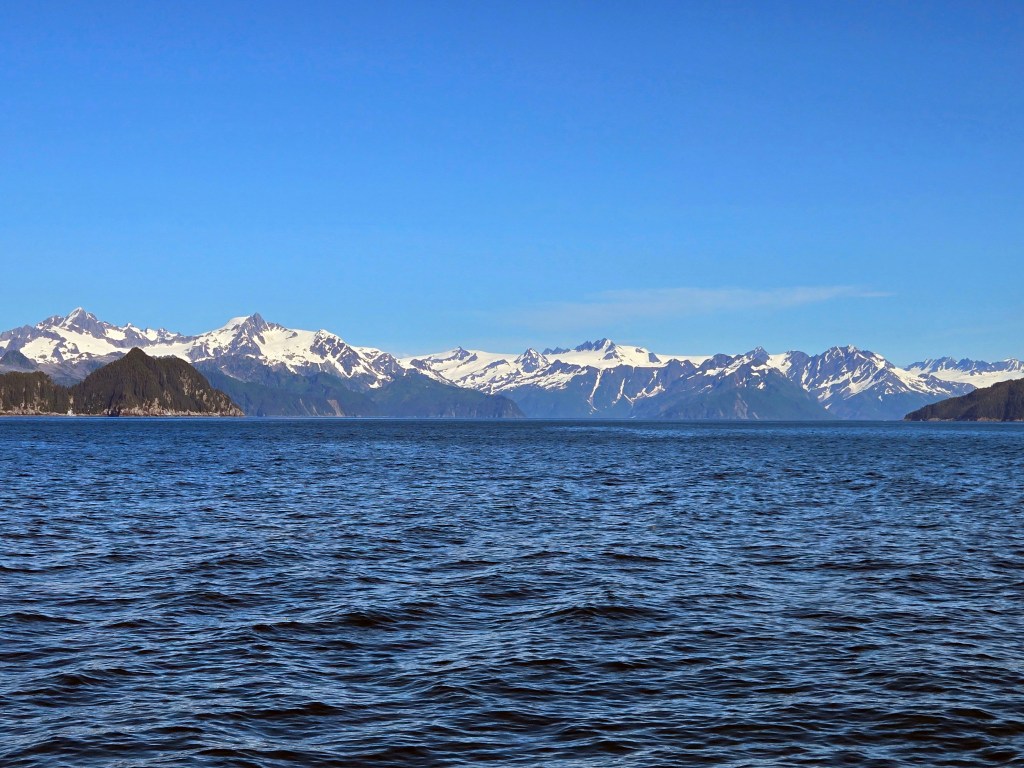
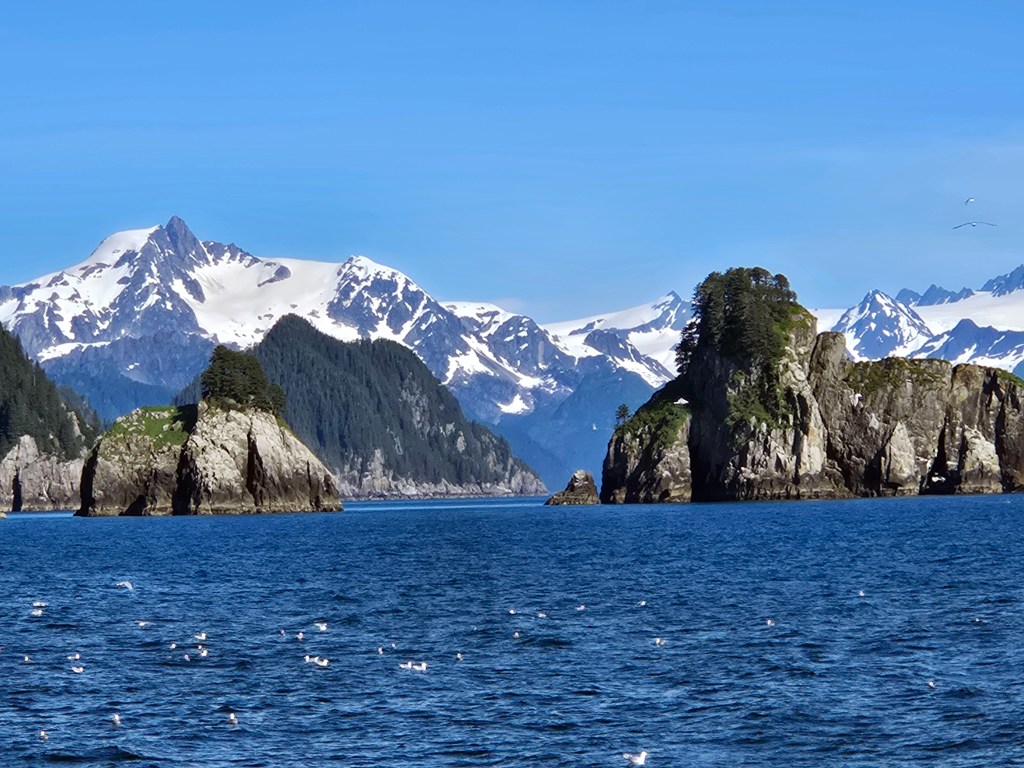
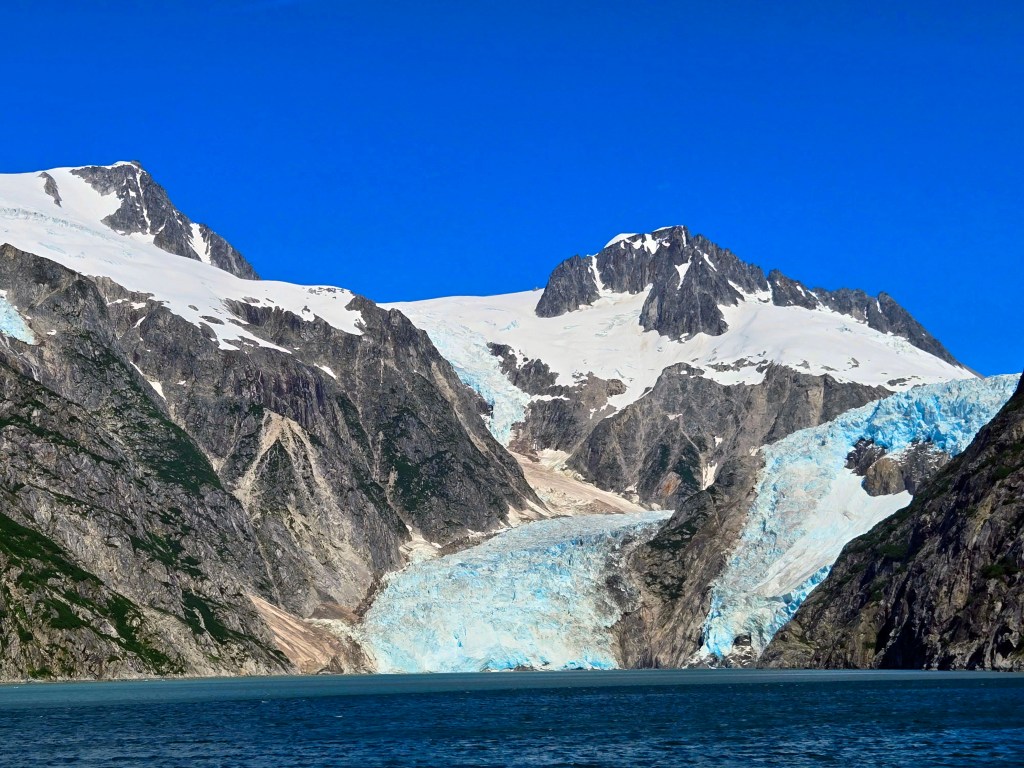
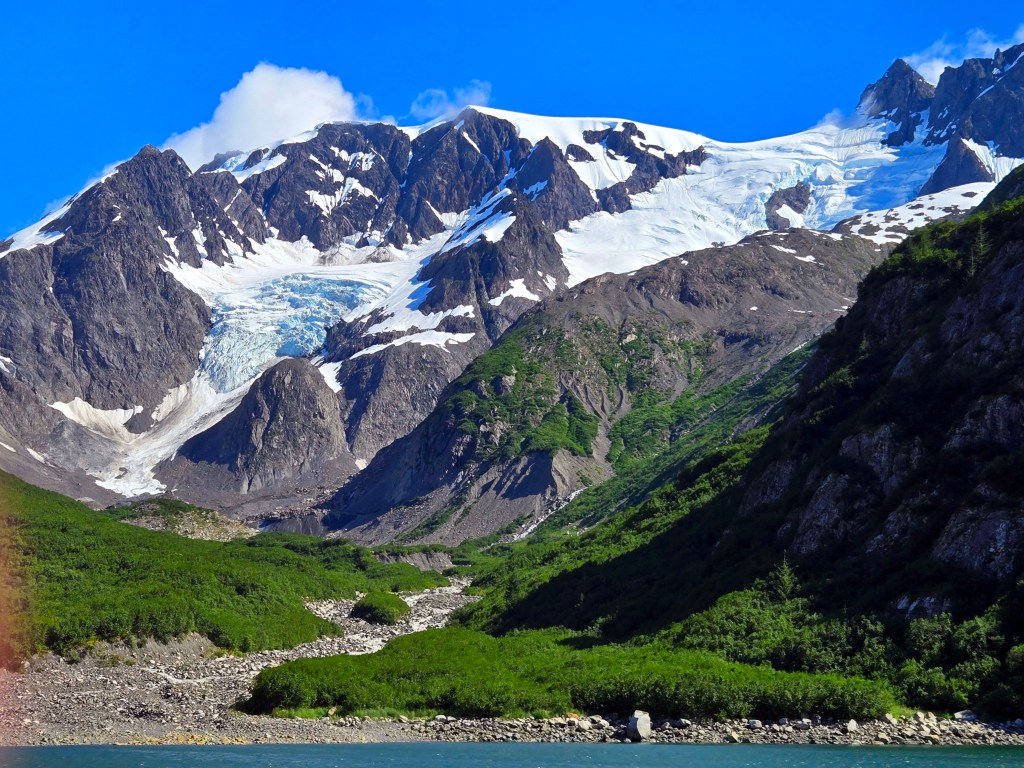
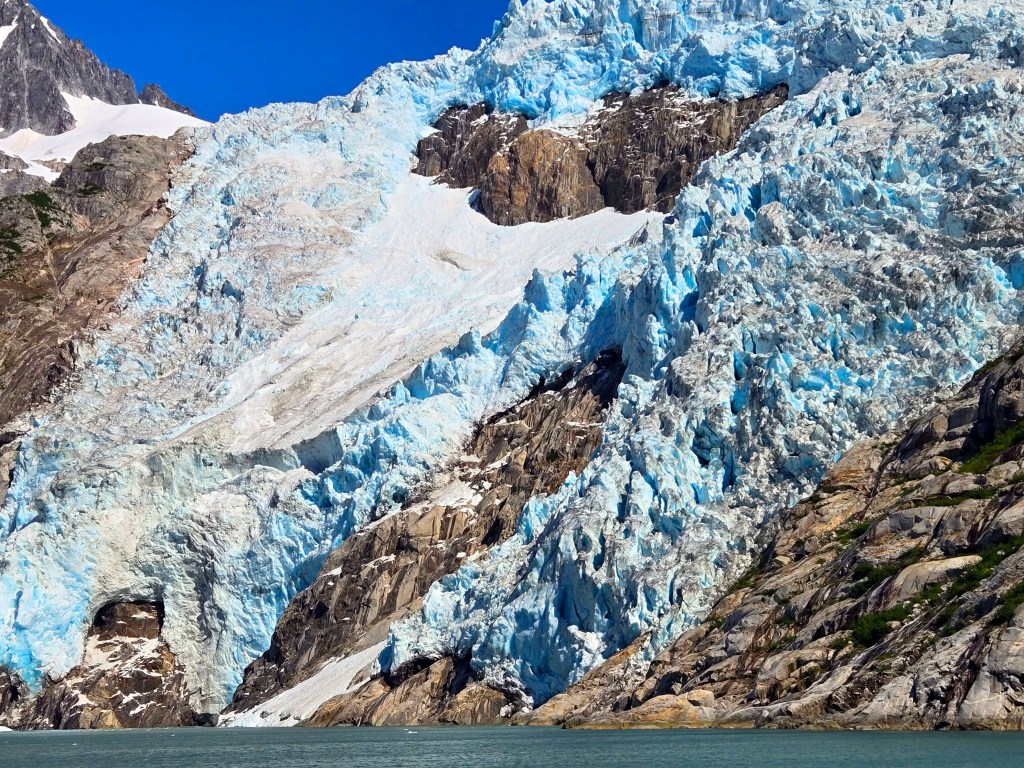
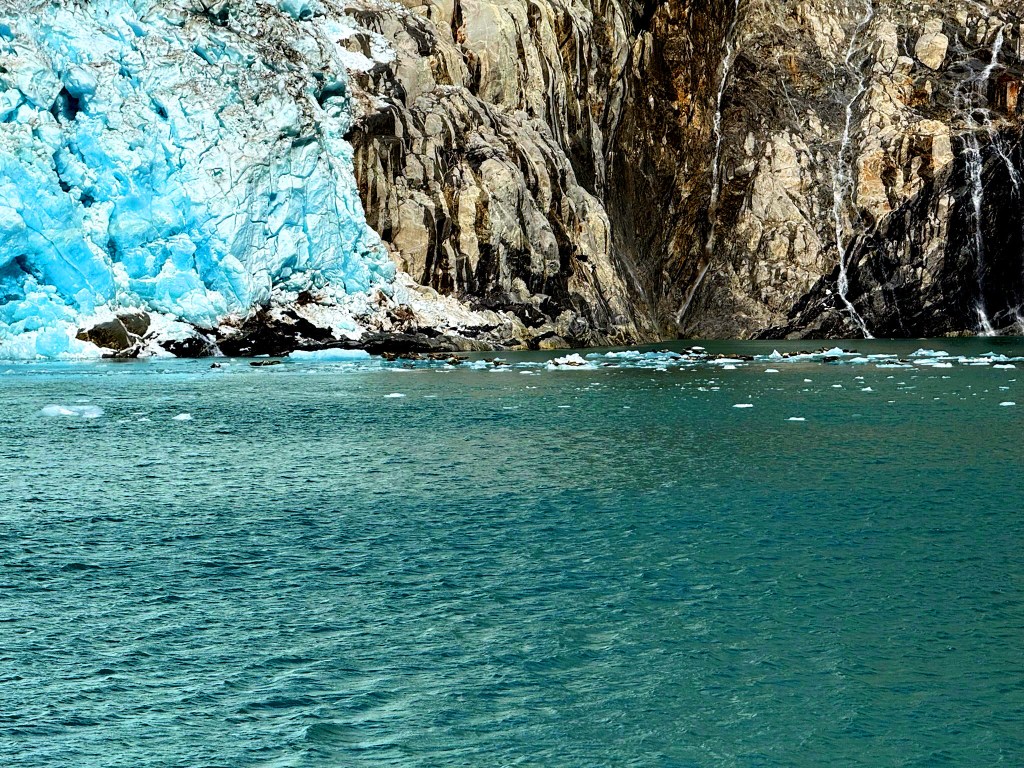
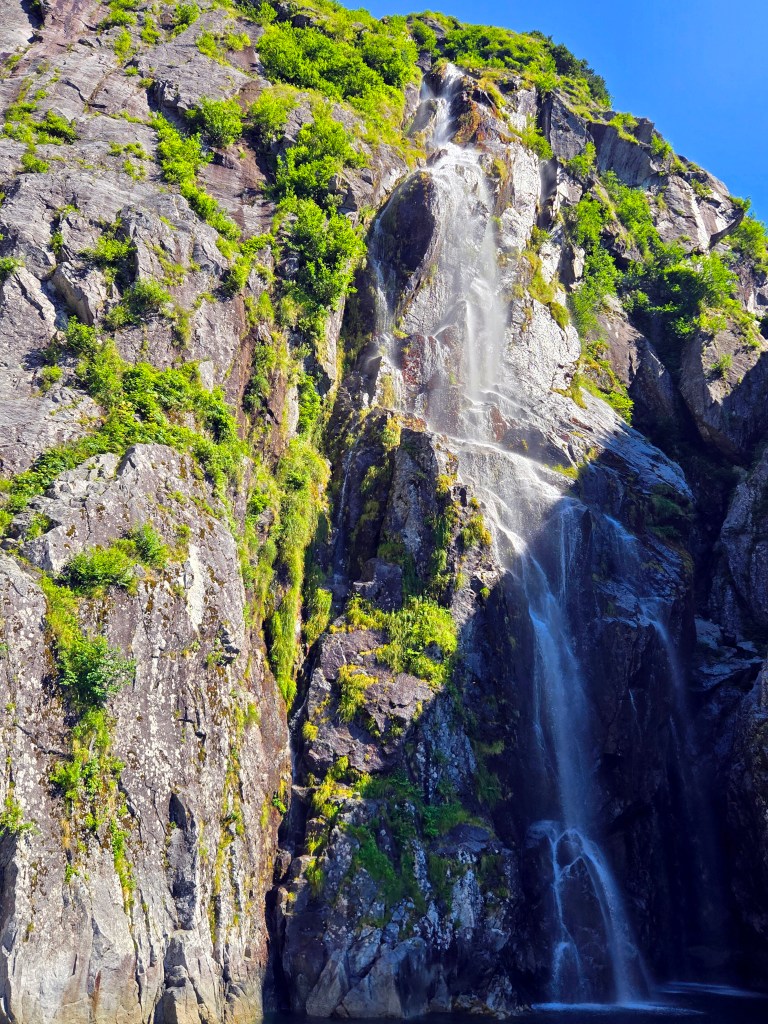
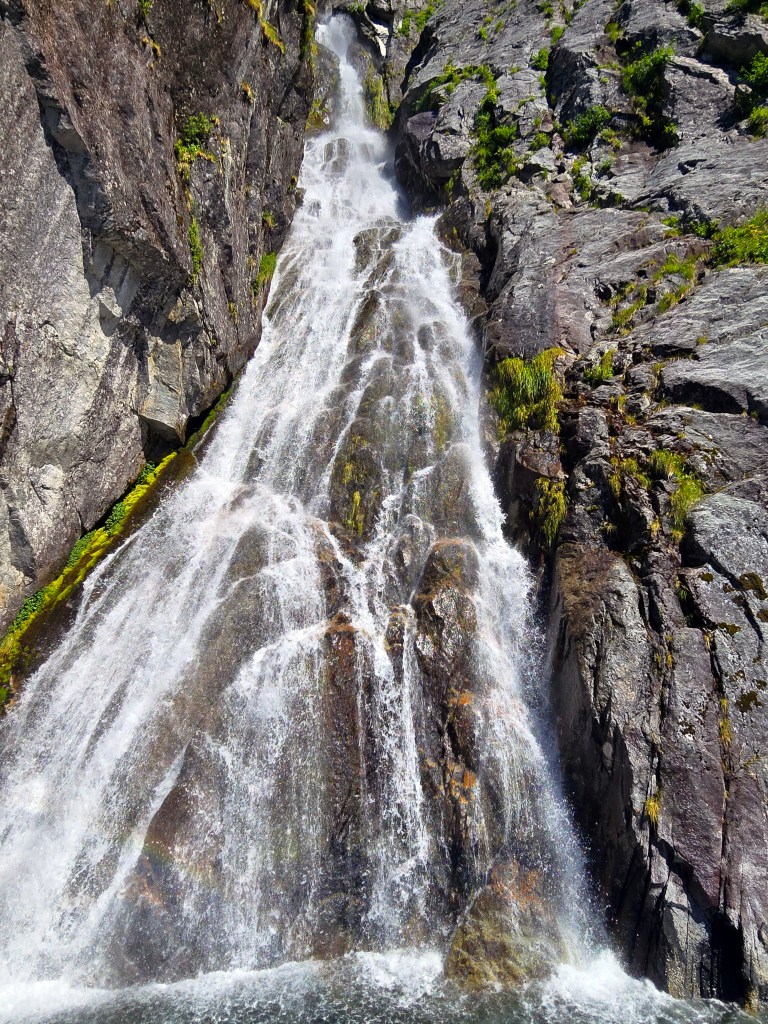
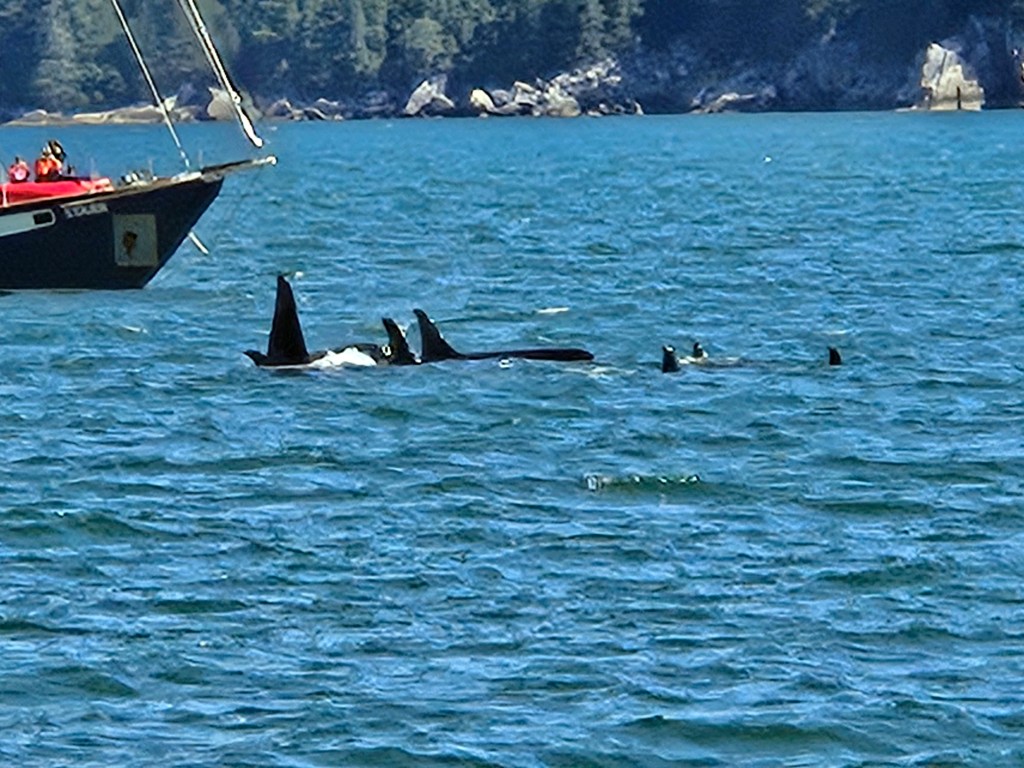
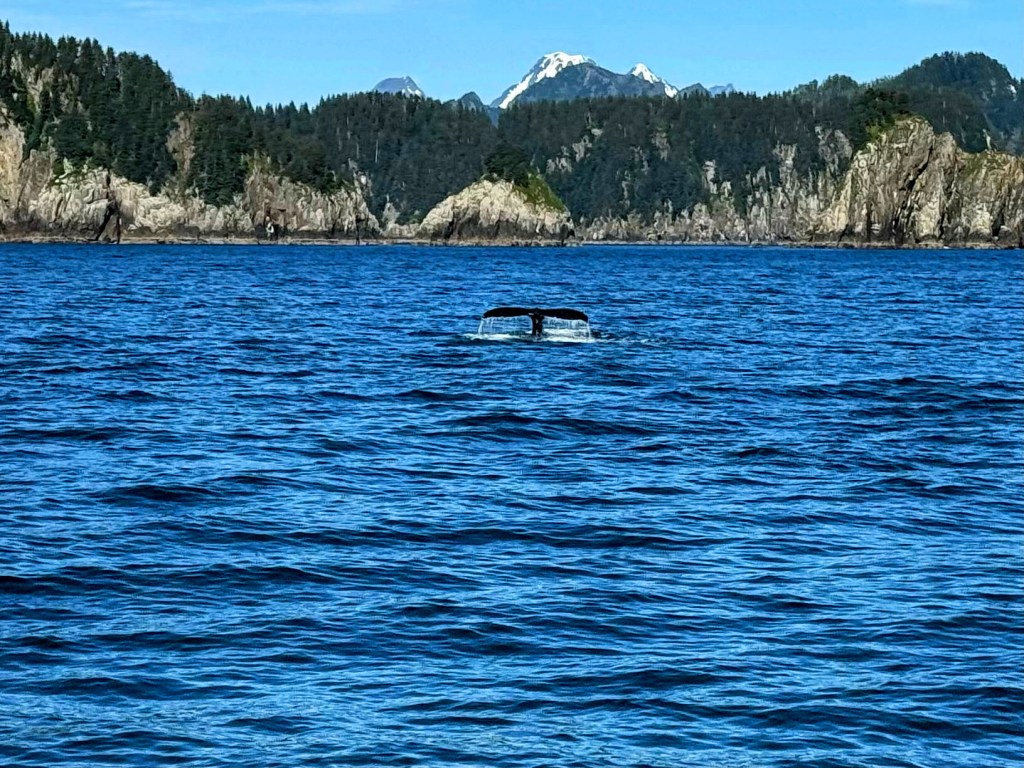
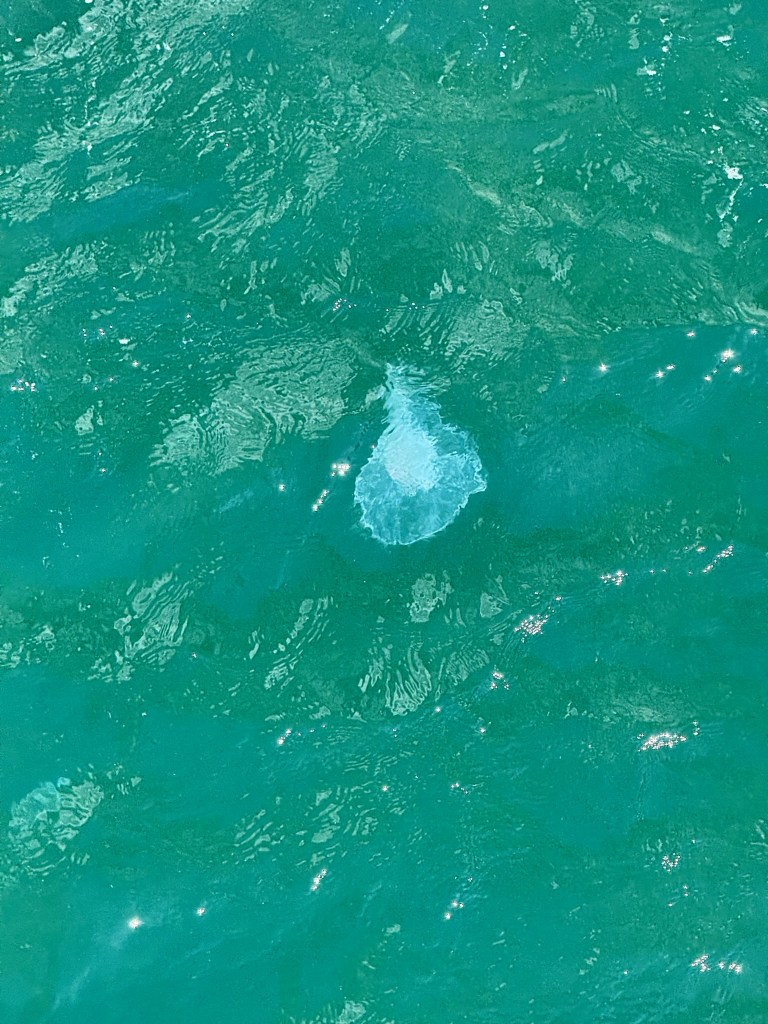
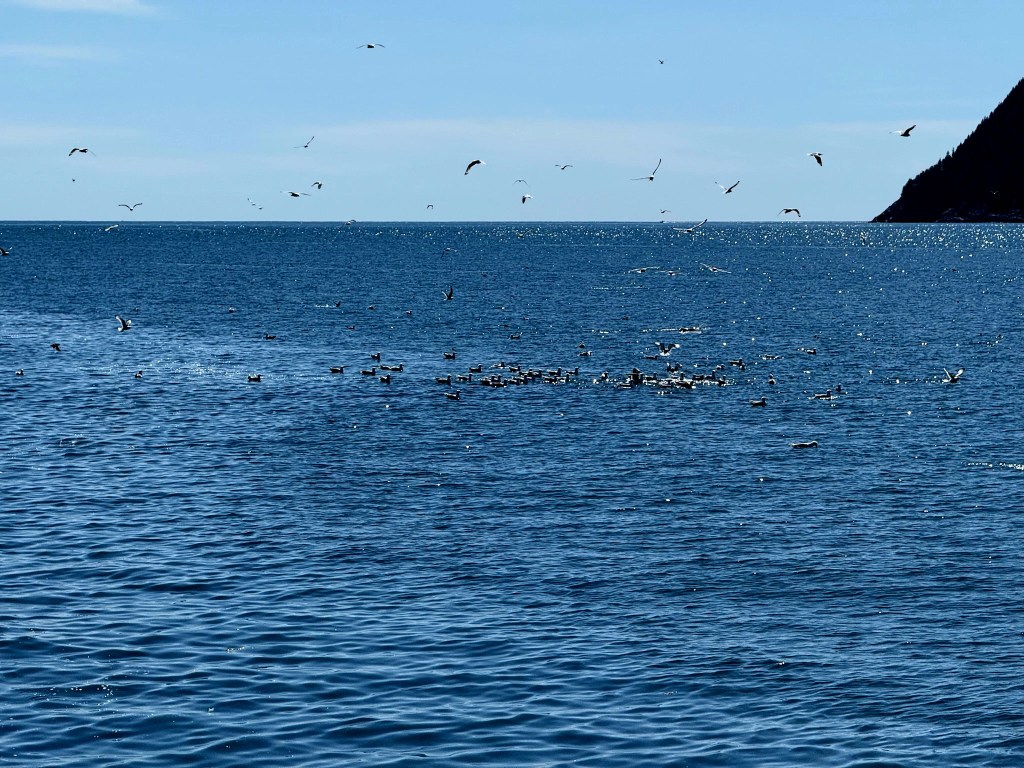
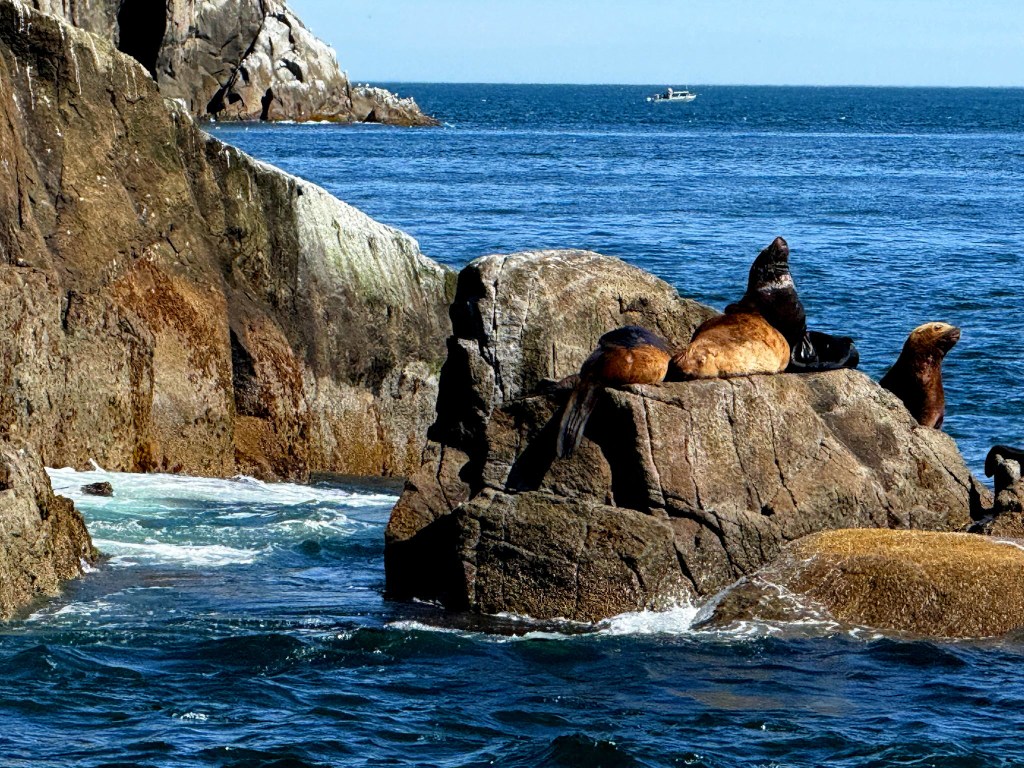
E) Kenai Fjords National Park Boat Tour: One of the absolute highlights of our time in Seward was the Kenai Fjords National Park boat tour. This is one experience that truly showcases Alaska’s raw coastal wilderness, combining glaciers, dramatic fjords, and extraordinary marine wildlife, all in one unforgettable day. There are two big, well-known companies that run these day cruises from Seward: Kenai Fjords Tours (the one we used) and Major Marine Tours. Both are reputable, both offer narrated glacier-and-wildlife cruises, and both have multiple durations—typically ranging from about 4 hours to 8+ hours depending on how far into the park you go. The biggest decision is the length of tour, because that determines how deep into the park you travel, how many glaciers you can reach, and how much time you spend lingering in front of the ice (which directly affects your odds of seeing glacier calving and larger marine wildlife). In general, the shorter cruises often focus on the nearer fjords and one major tidewater glacier, while longer cruises push farther into more remote fjords and may reach two glaciers and in some full-day itineraries, the goal is the Northwestern Fjord / Northwestern Glacier area, which is among the most remote options and a major reason people choose the longest tour. The 6-hour cruise is usually the most popular due to time constraints, but the 8+ hour tour is highly recommended if you are prioritizing glacier calving and marine wildlife sighting. However, it is worth noting that some major operators like the Major Marine tours uses a smaller vessel for its 8.5-hour Northwestern fjord cruise and does not allow children under 12 on that specific trip due to the longer open-ocean exposure and ride conditions, whereas the Kenai Fjords Tour uses a bigger boat that allows children for their similar 8-hour tour. We did the 8-hour Northwestern Fjord Tour with Kenai Fjords Tours, and it was nothing short of spectacular. The tour starts early around 8:00 AM and passengers are asked to check in about an hour before departure. You’re allowed to bring your own snacks and drinks onboard, which is helpful, especially for kids or longer days. The boat itself was extremely comfortable, far more than we had expected. Even though we visited during peak summer season, the boat was not overcrowded at all, and there was plenty of space to move around or spread out. The vessel had two floors with outdoor decks on each level, allowing you to step outside whenever wildlife or glaciers appeared close by. Inside, seating was arranged in a family-style layout, with two bench seats facing each other, a generously sized table in the middle and large glass windows for lookouts. This made it easy for families or groups to sit together, eat comfortably, and even play games during quieter stretches of the journey. It felt relaxed and social rather than cramped. The crew was outstanding. For the 8 hour tour, they provided complimentary water, breakfast (flavored yogurt and a pastry), and lunch, which included, chips and salsa and healthy burrito with a vegetarian option, and cookies toward the end of the tour. Kids were given chicken nuggets for lunch. Coffee and other drinks were also available for purchase onboard. Everything was well organized and thoughtfully done. Our boat captain also served as our guide, and he was excellent — knowledgeable, calm, and incredibly patient. Unlike some tours where you feel rushed, he lingered at key locations to ensure everyone had ample time to take photos, observe wildlife, and truly absorb the scenery. The pacing felt just right. And oh the wildlife…!! it exceeded all expectations. We saw numerous humpback whales and killer whales, often in family groups, surfacing repeatedly close to the boat. We also spotted sea otters, sea lions, puffins, and other seabirds along the way. One of the most unforgettable moments was witnessing glacier calving at Northwestern Glacier, where massive chunks of ice broke off and thundered into the water…a powerful reminder of how alive and dynamic these landscapes are. Watching the glaciers calve was both awe-inspiring and humbling. At the same time, it was also deeply sobering. Seeing how much these glaciers have receded compared to what they once were is heartbreaking, and it’s impossible not to reflect on the very real impacts of climate change. So much of Alaska’s glacial landscape has already melted away, and witnessing that firsthand made the experience emotionally powerful as well as visually stunning. Although we were lucky enough to have a clear, sunny day, it’s important to know that weather in coastal Alaska can change quickly. Even on sunny days, it can get windy and cold on the water, so dressing in layers is essential. If possible, it’s also wise to build an extra buffer day into your itinerary, allowing you to reschedule the tour if weather conditions turn foggy or rainy. Overall, this was a relaxing, immersive, and deeply rewarding day… The comfort of the boat, the quality of the narration, the generosity of the crew, and the sheer scale of wildlife and glaciers made this experience feel truly special. If there’s one activity in Alaska worth dedicating an entire day to, this is it.
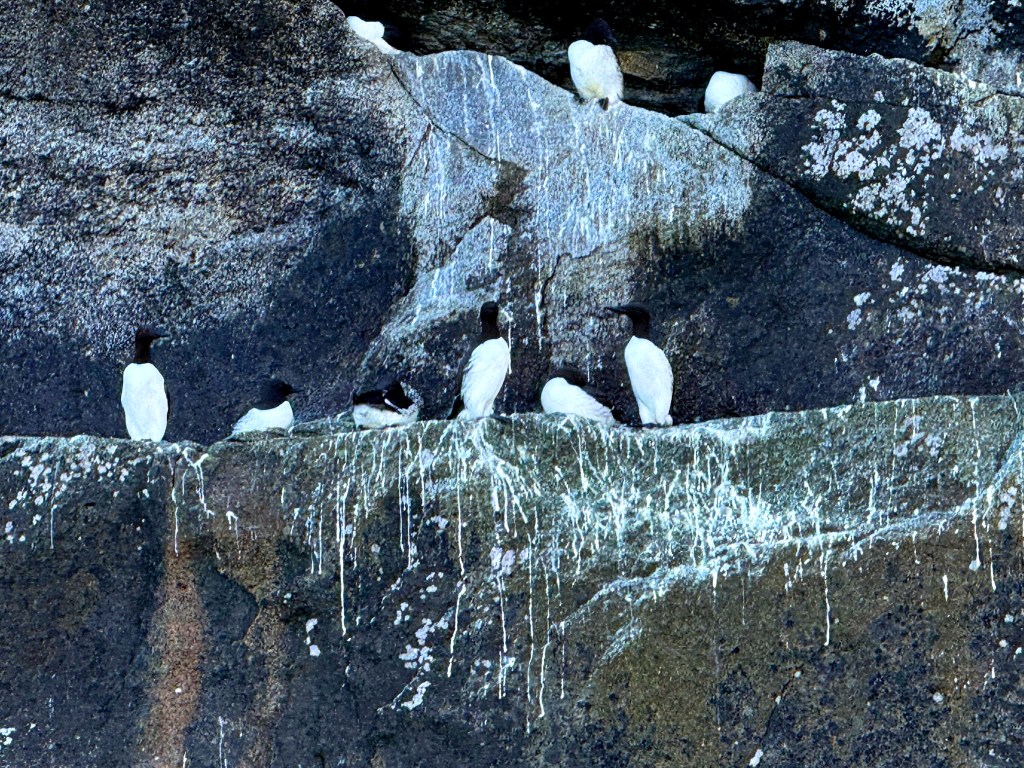
F) Other Attractions in Seward:
- Alaska Sealife Center: is a great stop, especially if you’re traveling with kids or want to learn more about Alaska’s marine ecosystems. It functions as both an aquarium and a marine research facility, featuring sea lions, puffins, seals, and interactive exhibits focused on conservation and rehabilitation.
- Hiking Around Seward:
–Mount Marathon Trail: 3miles RT, very strenuous
-Lost Lake Trail: 15 miles RT, Strenuous.
-Caines Head State Recreation Area: 2-4miles RT, moderately difficult.
-Tonsina Point Trail: 4 miles RT, moderately difficult.
- Fishing: Seward is one of Alaska’s premier fishing destinations, known for its rich waters teeming with salmon and halibut. If you want an authentic Alaska fishing experience, opting for a fishing charter is the way to go — local guides take you out into Resurrection Bay or deeper coastal waters where the fish are plentiful, and all the gear and expertise you need is included. Several reputable companies that offer fishing charters out of Seward including Alaska Fishing Adventures, Seward Charters, Puffin Fishing Charters, etc .
- Resurrection Bay Kayaking Tours: Kayaking is another popular activity in Seward. Kayaking in Resurrection Bay is generally better suited for experienced kayakers or confident beginners with a guide. The bay is open and exposed, which means conditions can change quickly with wind, waves, and tidal currents. Guided kayaking tours are the most common option in Seward. These typically come in 4-hour half-day tours and 8-hour full-day tours. It’s important to note that guided does not mean assisted paddling. Each kayak usually holds one or two people, and the guide paddles their own kayak, leading the group and setting the pace. You’re expected to paddle independently for the duration of the tour, so a basic level of comfort on the water is essential. Popular companies offering guided kayaking tours in Seward include Kayak Adventures Worldwide, Liquid Adventures, and Sunny Cove Kayaking. If you’re a beginner or looking for calmer waters, Homer is often the better choice. Kachemak Bay tends to be more sheltered, making it more forgiving for first-time kayakers or families. Guided tours in Homer feel less demanding physically and are a good introduction to sea kayaking in Alaska.
Homer
A) Drive from Seward to Homer: After wrapping up our time in Seward, we began the drive south toward Homer that unfolded Alaska’s quieter, coastal beauty. The drive itself is incredibly scenic and takes you through a mix of forests, lakes, rivers, and small towns that reflect a very different side of Alaska compared to Denali or the rugged Kenai Fjords. Although there are many worthwhile stops along the way, we kept this drive fairly simple and made just one main stop early on at the Bear Creek Weir. The weir allows you to watch salmon swimming upstream, and standing there observing their persistence and movement was both educational and humbling. It’s an easy stop, doesn’t require much time, and is especially interesting if you’re traveling with kids or curious about Alaska’s salmon lifecycle. Other stops you could consider along the way are:
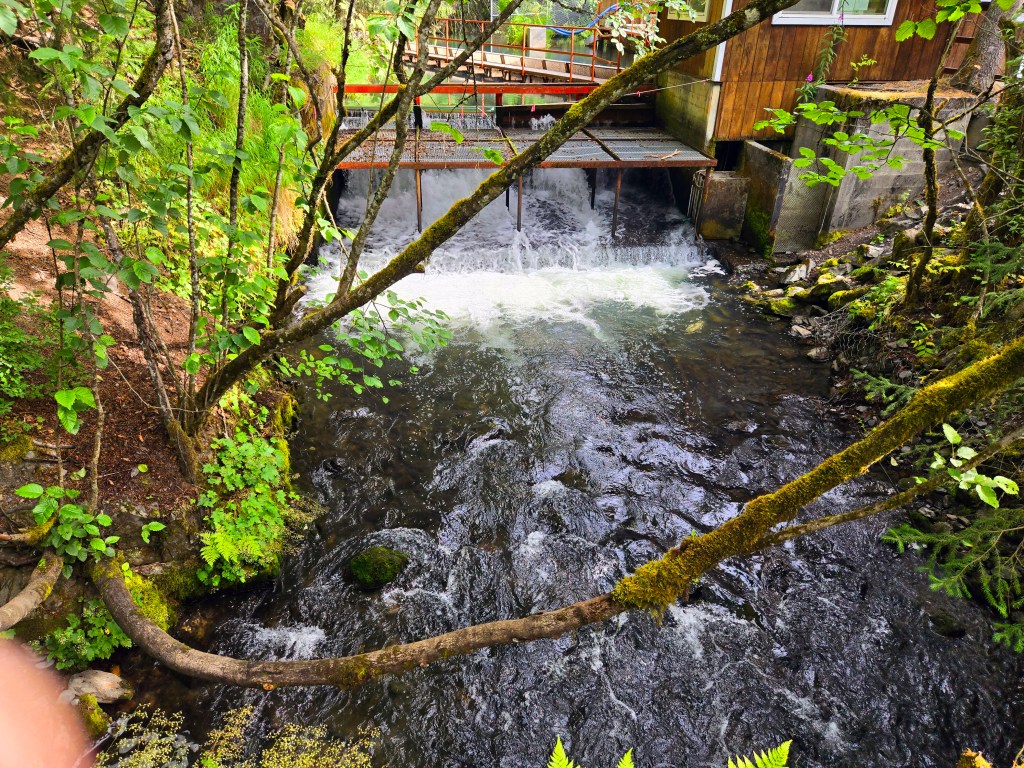
- Moose Pass – A charming small town that feels like classic rural Alaska, often used as a quiet coffee or rest stop.
- Tern Lake – A scenic lake at a major junction, popular for photography and wildlife spotting.
- K’beq’ Cultural Site – A meaningful stop to learn about the Indigenous Dena’ina Athabascan people, with guided cultural tours available.
- Russian River Falls – A popular and relatively short hike known for salmon runs and bear viewing (from a safe distance).
- Skilak Lake Road – An 18-mile gravel loop road branching off the main highway, offering deep wilderness views, wildlife sightings, and a more remote feel.
- Soldotna – A hub for fishing on the Kenai Peninsula, with plenty of services, shops, and river access.
- Ninilchik Holy Transfiguration of Our Lord Chapel – A picturesque Russian Orthodox church overlooking the coast, offering a glimpse into Alaska’s layered history.
- Anchor River State Recreation Area – A scenic riverside stop, especially popular for fishing and quiet walks.
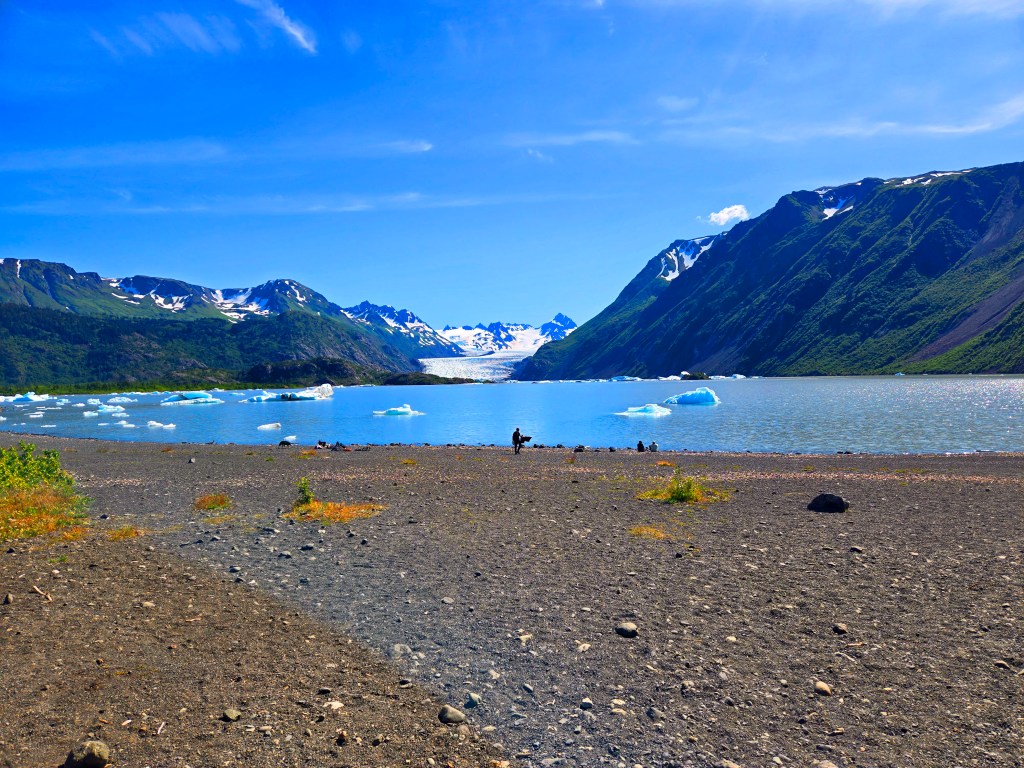
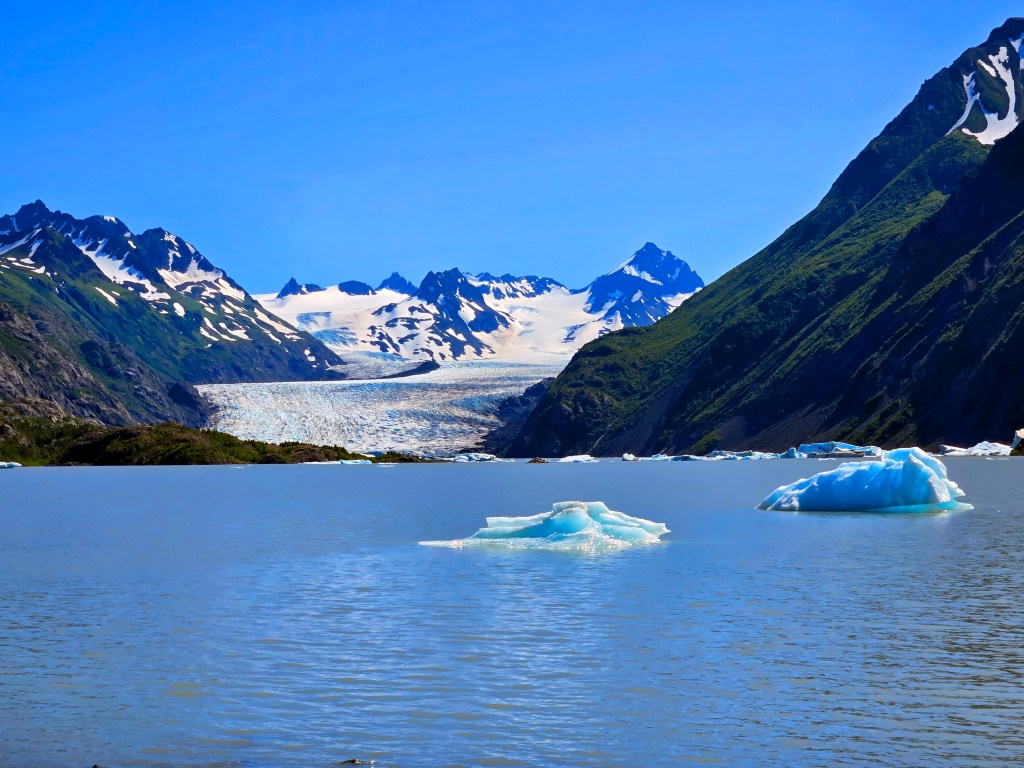
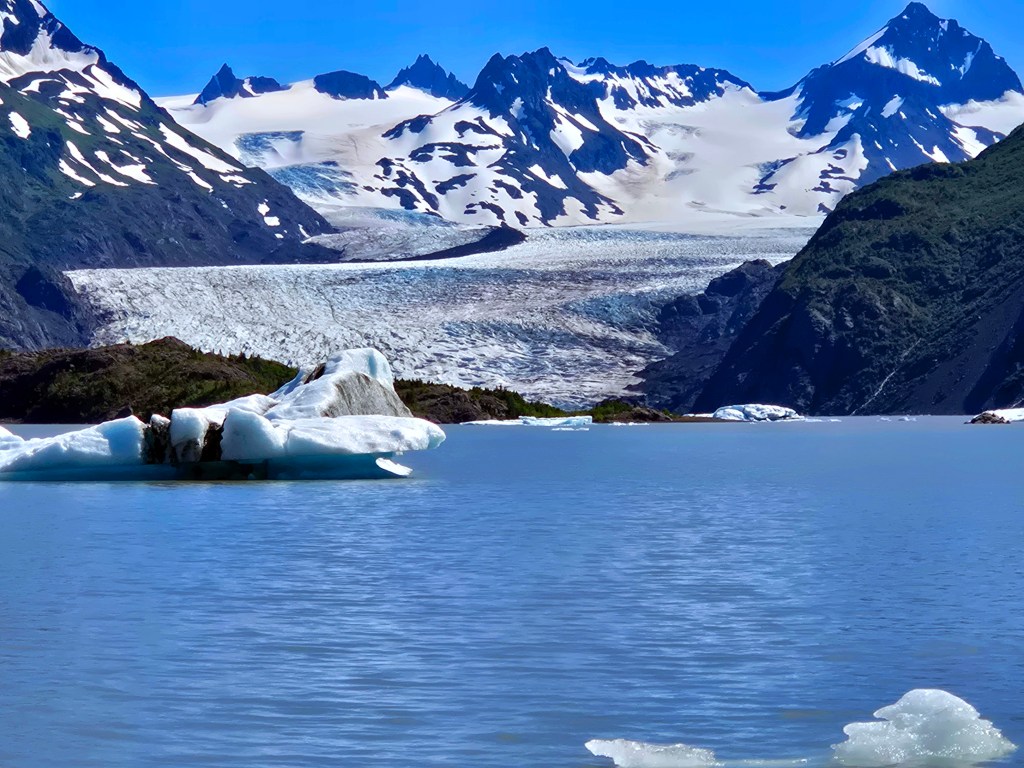
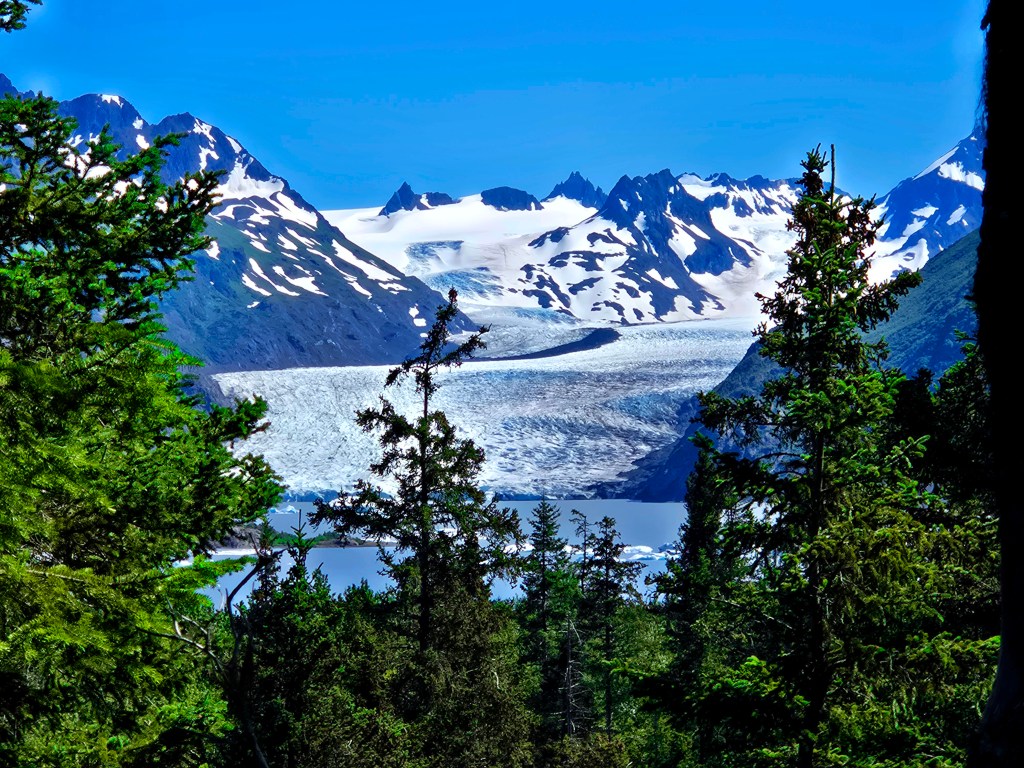
B) Grewingk Glacier Lake Hike (Kachemak Bay State Park):One of the highlights of our time in Homer was hiking to Grewingk Glacier Lake in Kachemak Bay State Park, a stunning and very popular backcountry hike that requires a water taxi to access. Water taxis can be booked in advance or arranged a day before (and sometimes even the day of), but for peace of mind, especially in peak summer, I highly recommend booking at least a day ahead. When you book, the company will schedule both your drop-off and pick-up times, which means timing matters a lot for this hike. A key logistical detail to understand is that most water taxi operators drop hikers at the Grewingk Glacier Lake Trailhead in the morning and pick them up later from the Saddle Trailhead. This route totals roughly 6 miles, with about 4 miles from the glacier trailhead to the lake, followed by another 2 miles descending the Saddle Trail. This direction is chosen because morning water conditions are typically calmer for drop-off at the glacier side, while afternoon waters can be choppier, which we definitely experienced on the return ride. This direction also makes the hike more manageable. Starting from the Saddle Trailhead and hiking up to the lake would be much more strenuous, even though it’s a shorter distance. In contrast, going from the glacier trailhead to the lake is mostly easy, though it involves walking on uneven, rocky terrain rather than a paved path. The Saddle Trail, on the other hand, is moderately strenuous, with rocky, curvy, and steep sections. The final 0.4 miles descending the Saddle Trail is particularly steep and requires careful footing, even when going downhill. The entire hike typically takes 4–5 hours, depending on pace and conditions. Different water taxi companies allow different time windows—some offer 4 hours, others 4.5, 5, or even 5.5 hours. Our operator allowed only 4 hours, which meant we could spend no more than about 30 minutes at the lake before needing to head back. If I were to do this again, I would absolutely choose a company that allows more time, as the lake is a place you’ll want to linger. In our case, due to low tide, the water taxi couldn’t drop us exactly at the glacier trailhead. We were dropped a bit farther away and had to walk an additional mile along a rocky beach to reach the trail, bringing our total distance to approximately 6.7 miles round-trip. Despite all of this, the hike was absolutely worth it. Grewingk Glacier Lake is breathtaking; a serene, turquoise lake dotted with floating icebergs, with the glacier looming directly in front of you. The setting is peaceful, quiet, and incredibly picturesque. The descent down the Saddle Trail is also beautiful, with colorful vegetation and expanding views of Kachemak Bay as you get closer to the shoreline. Water taxi operators provide binoculars for the ride across the bay, which adds to the experience, as you can scan for wildlife while crossing the water. Overall, this hike is a must-do in Homer if you’re physically able and comfortable with uneven terrain and time-bound logistics. It’s not effortless, but it’s one of those rare experiences that feels deeply rewarding—a combination of adventure, scenery, and solitude that stays with you long after the hike is over.
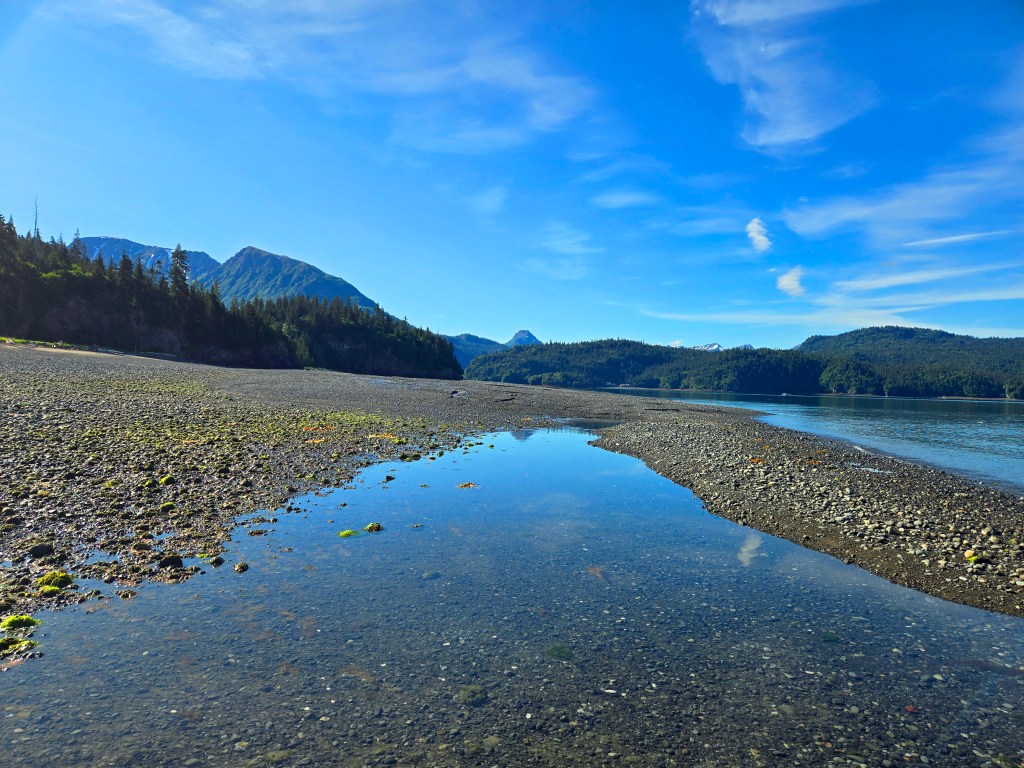
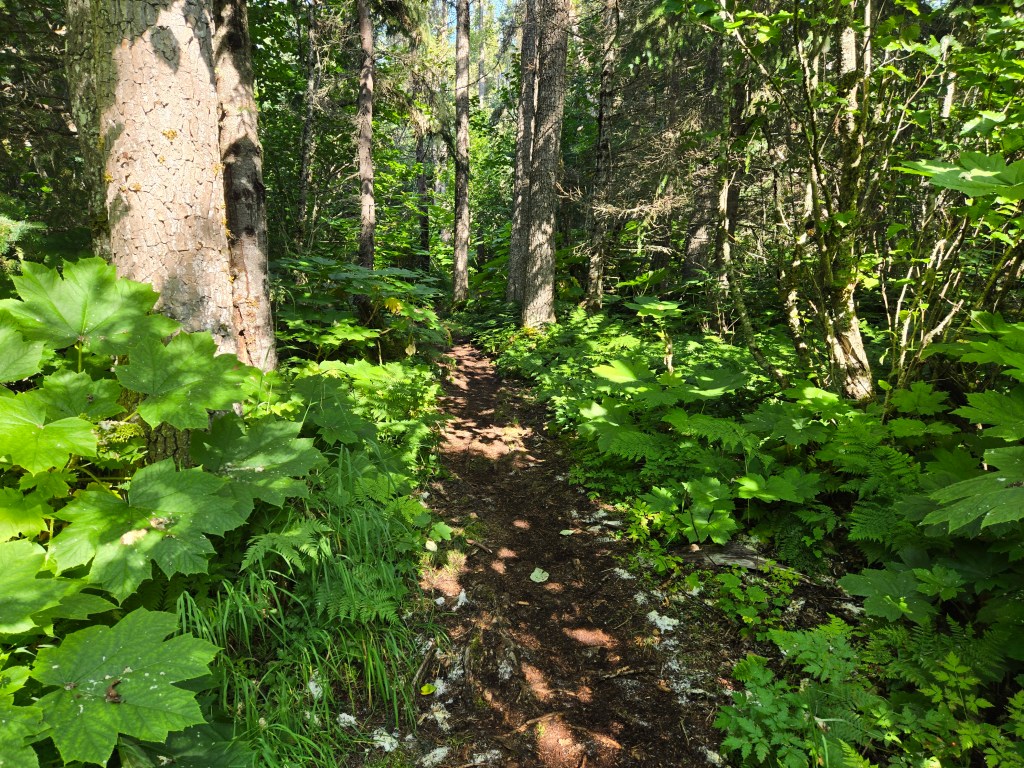
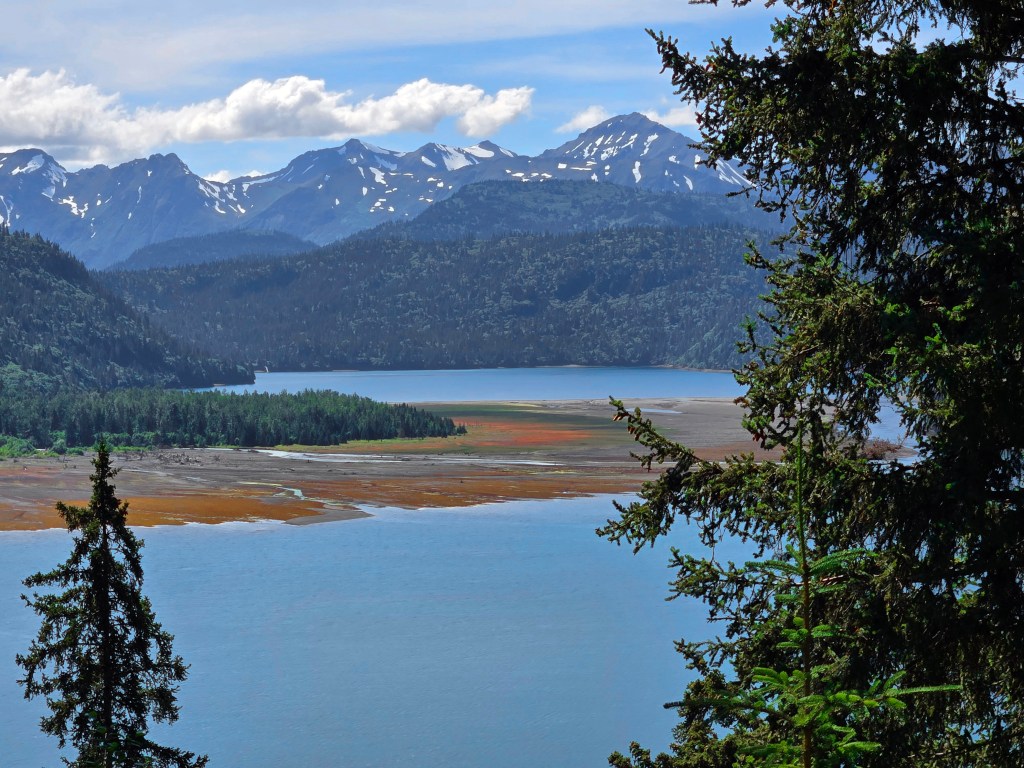
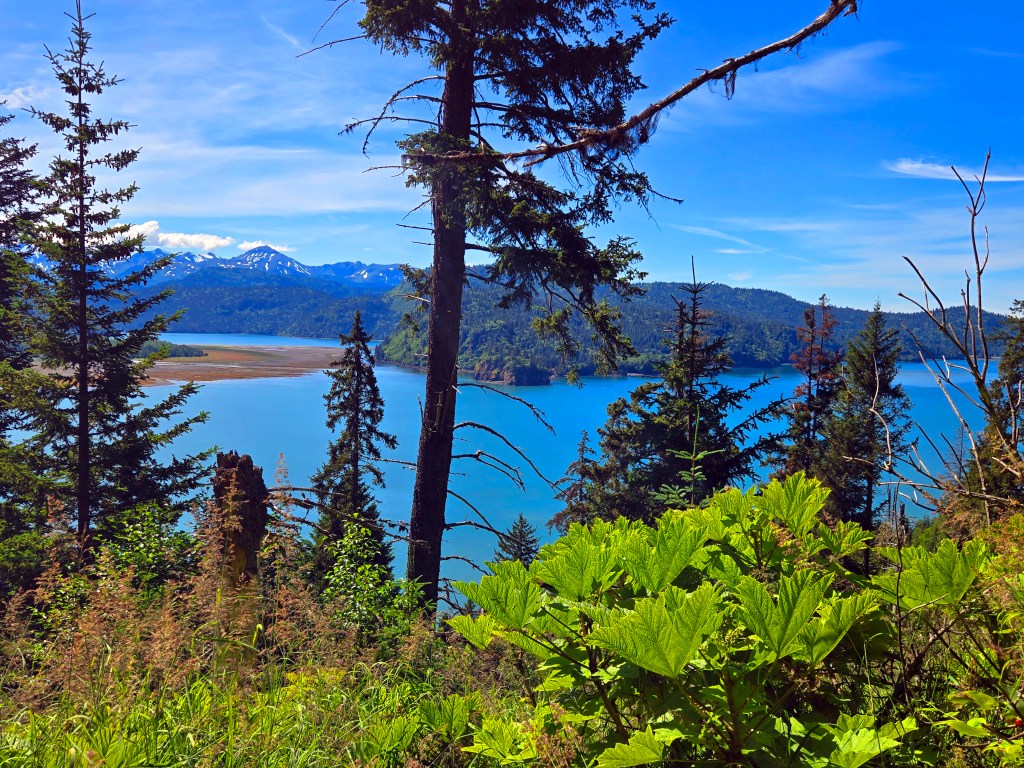
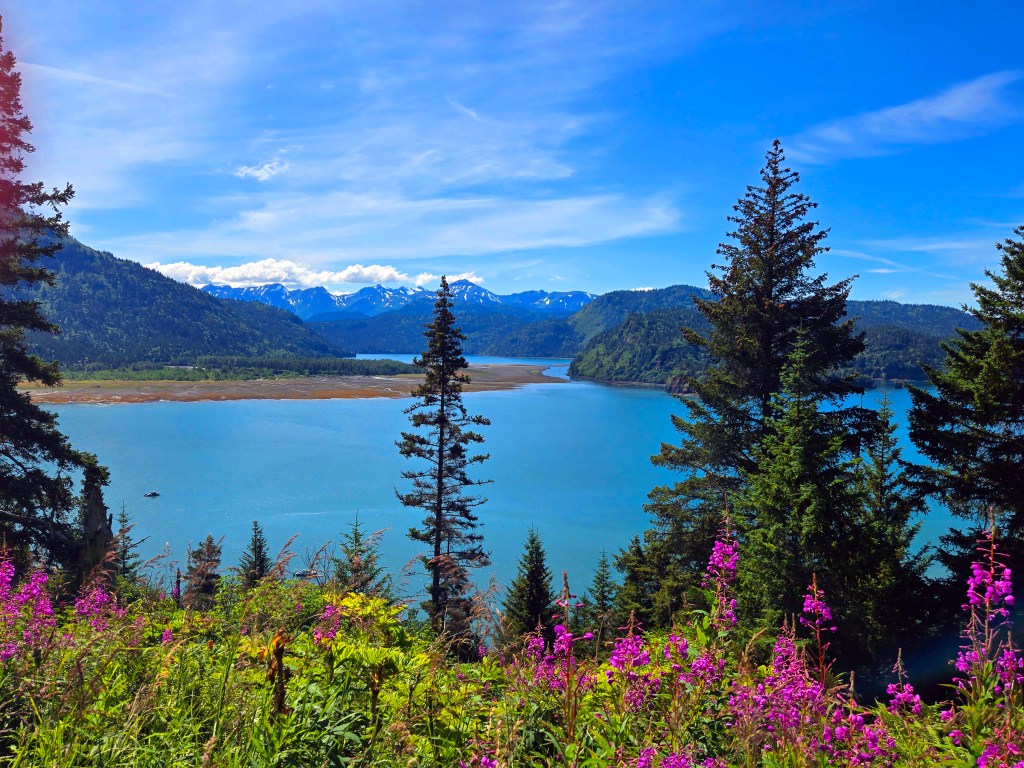
C) Homer Town & The Spit: Homer itself has a relaxed, artsy, coastal vibe that feels very different from other Alaska towns. The heart of the town is Homer Spit, a narrow strip of land stretching into Kachemak Bay, lined with restaurants, shops, fishing charters, and marinas. It’s a great place to wander, grab a meal, and watch boats come and go. You’ll often see seabirds, eagles, and fishing activity right from the docks. The town also has a strong local art scene, with galleries and small shops scattered throughout.
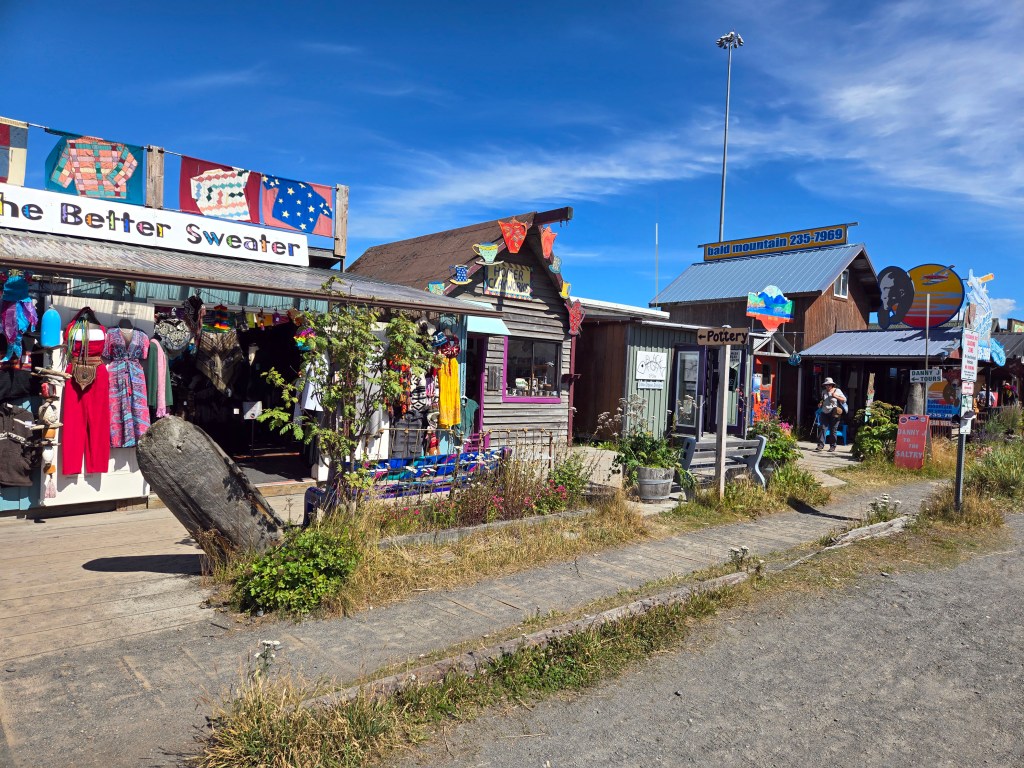
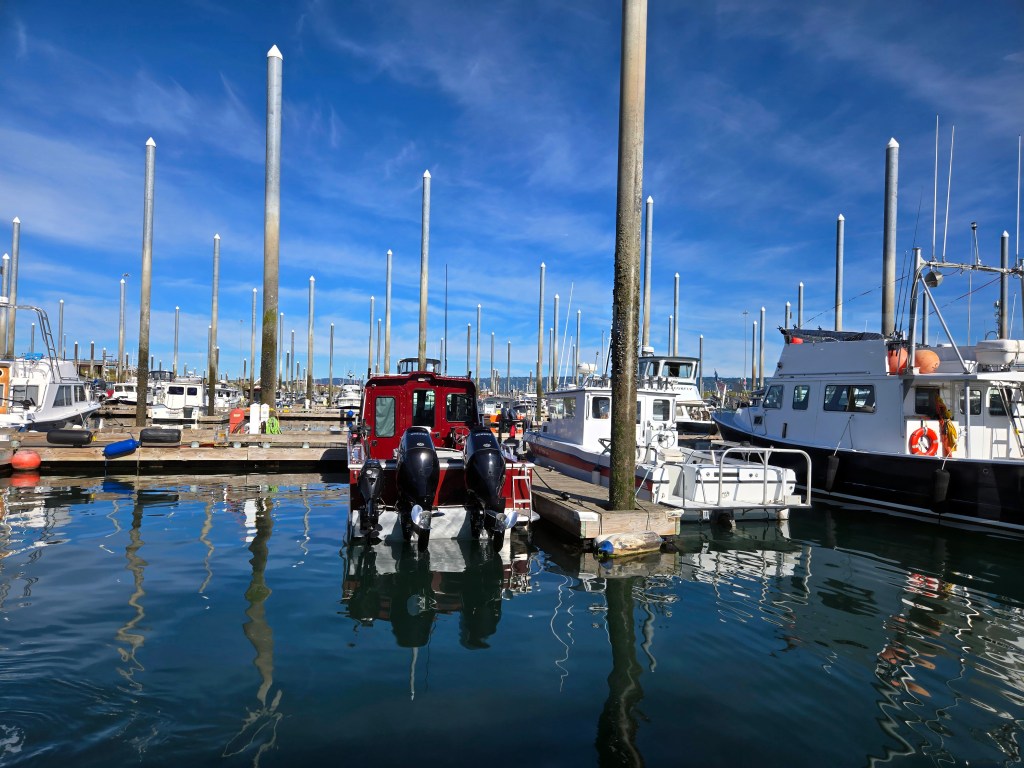
D) Other Attractions in Homer:
- Kayaking in Kachemak Bay: is often considered for more beginner-friendly experience thanks to calmer waters and sheltered coves. Similar to Seward, guided tours are available for half or full days. Many operators also offer combo-packages to include glacier lake hiking with kayaking for a day’s excursion. Popular kayaking companies in Homer include True North Kayak Adventures, Alan’s Watertaxi and Kachemak Bay Adventures, and Three Mouse Kayak Adventures.
- Fishing: Fishing charters out of Homer are similar in format to Seward but are especially popular for halibut fishing. Well-known companies include Homer Ocean Charters, Alaska Ultimate Safaris, and North Country Charters.
- Hiking in and Around Kachemak Bay State Park:
-Tutka Bay Lagoon Trail: 6miles RT, Moderate difficulty.
-Sadie Cove Trail: 4 miles RT, Moderate difficulty.
– China Poot Lake Trail: 7-8miles RT, Moderate difficulty.
- Wildlife and Bear Viewing: For those interested in bear viewing, Homer serves as a launch point for full-day excursions to remote areas along the coast or further into Katmai and Lake Clark regions. Small-group trips via floatplane or boat to observe brown bears in their natural habitat are available. Popular operators include Beluga Air, Bald Mountain Air Service, and Smokey Bay Air.
FOOD
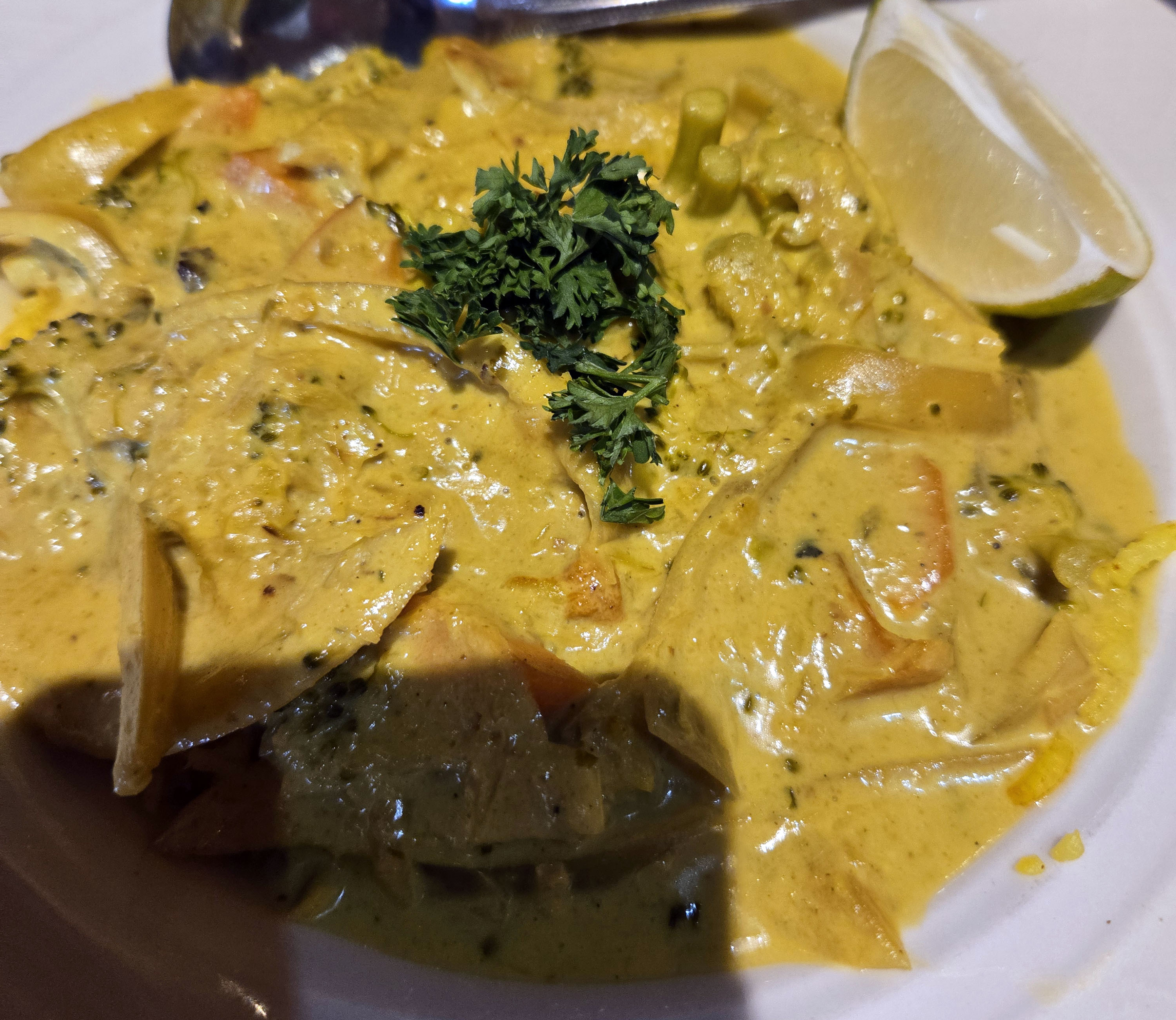
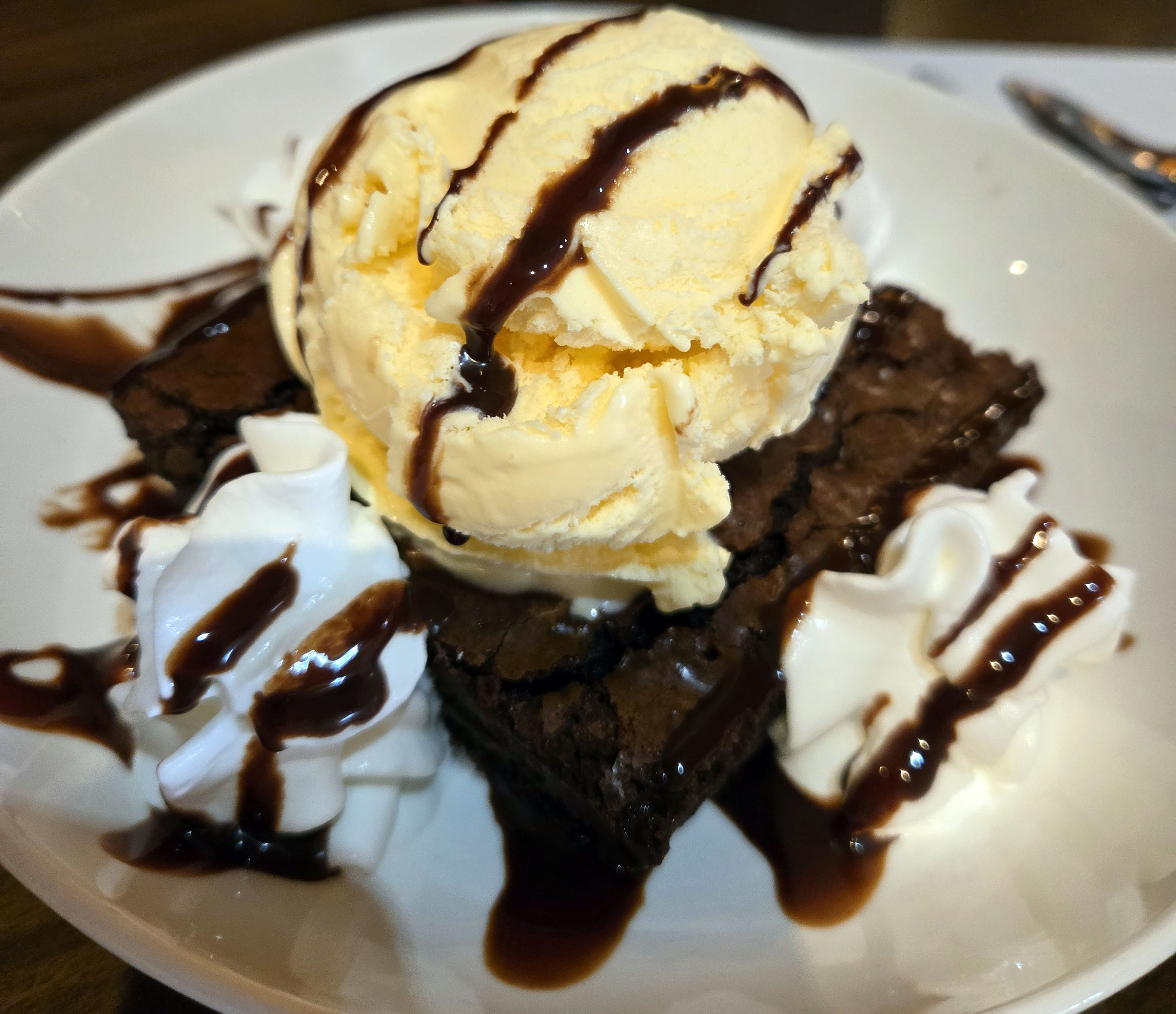
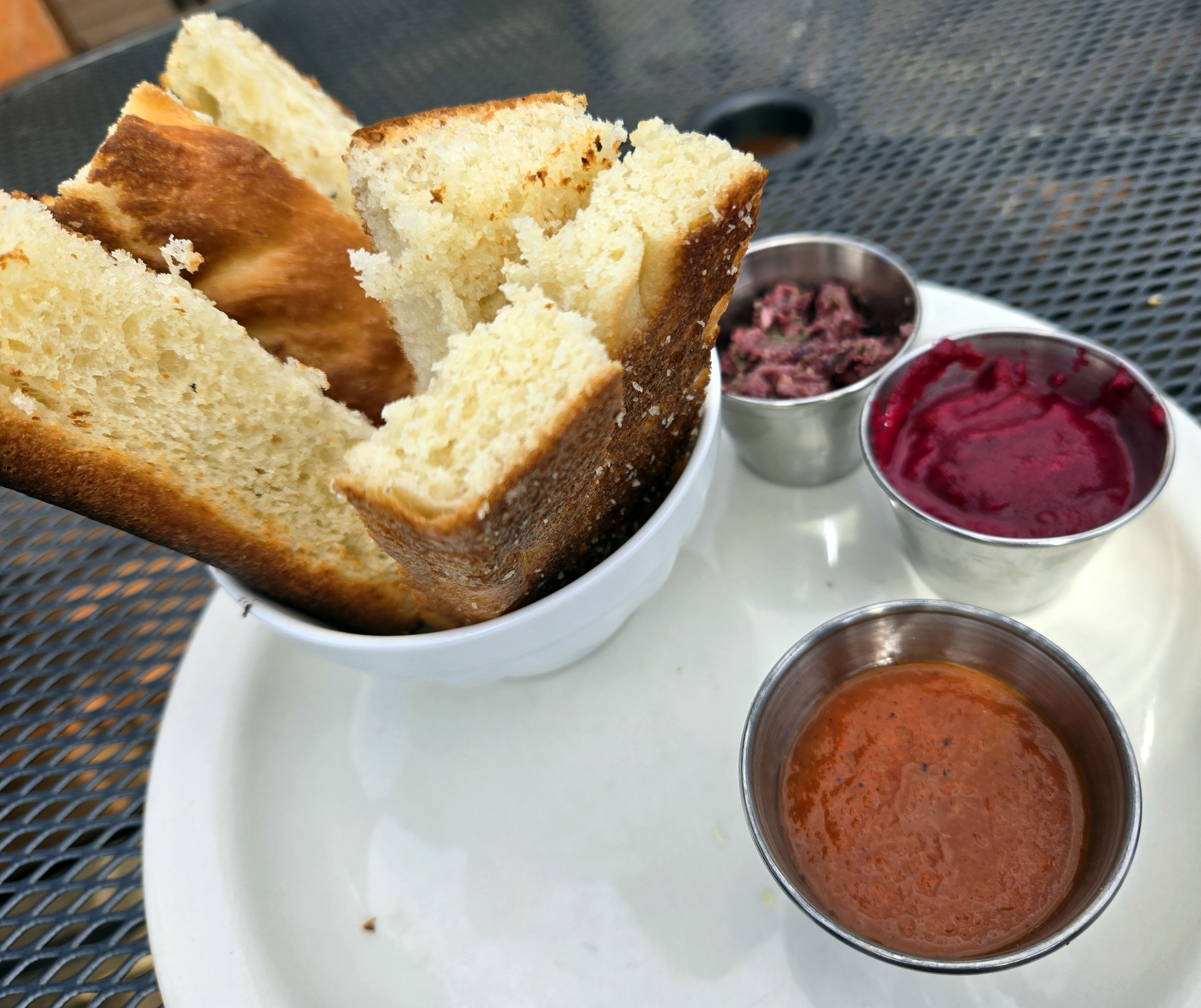
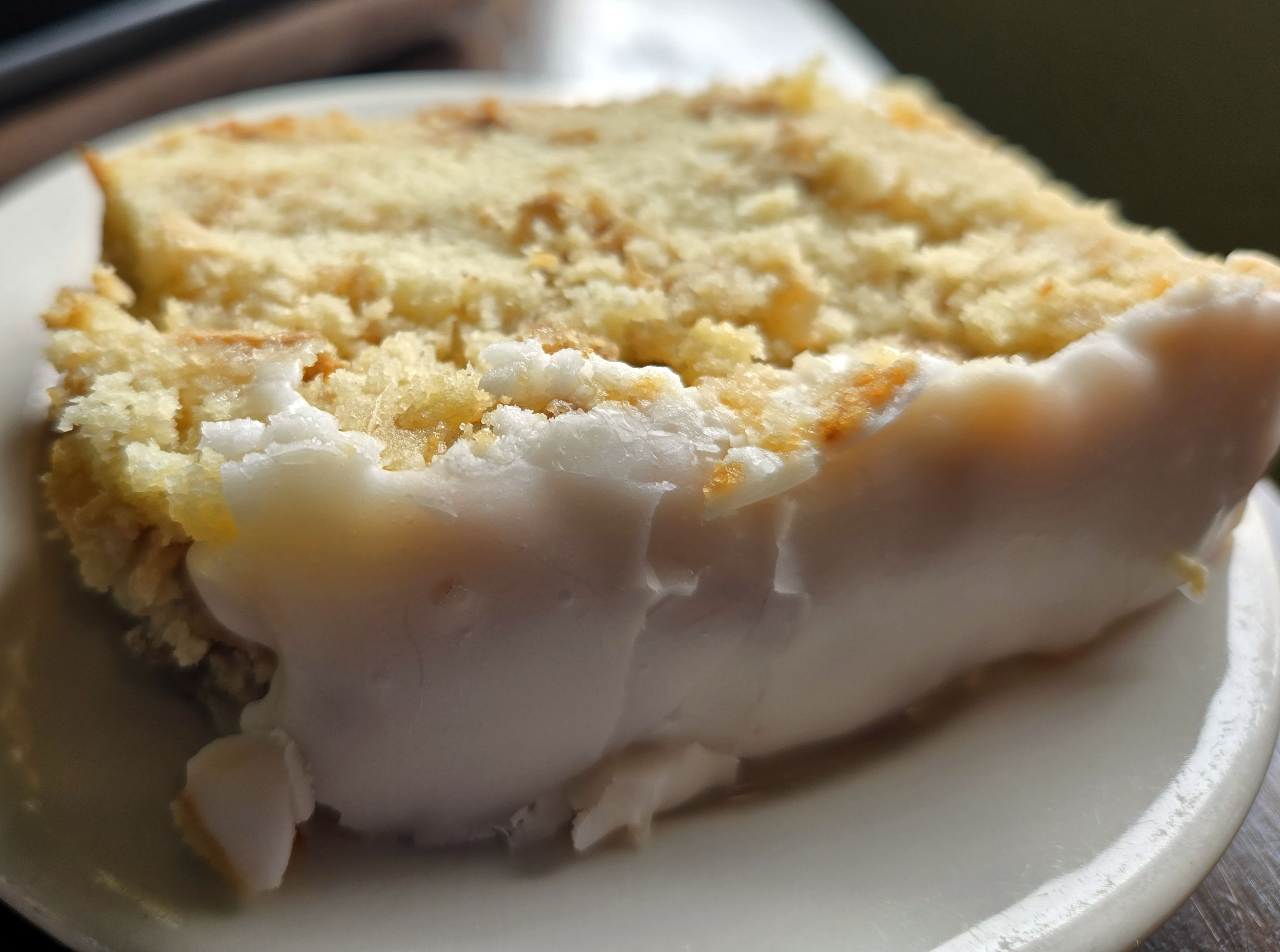
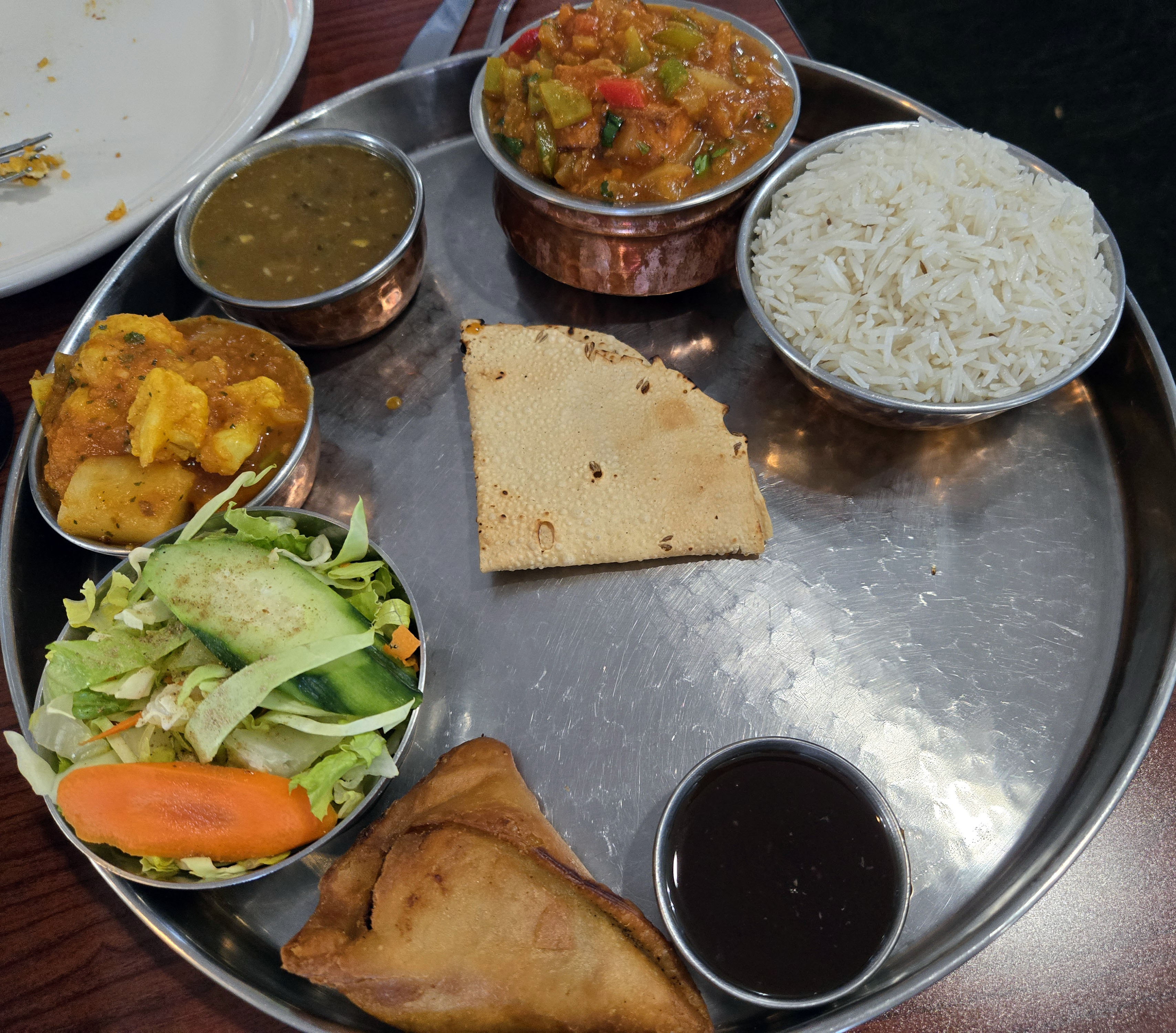
Before this trip, one of our biggest questions was food, especially as vegetarians. Alaska is often associated with seafood-heavy menus, and we fully expected dining to be a challenge, particularly outside major cities. To our surprise, this couldn’t have been further from the truth. Across the entire trip, whether we were in a city, a small wilderness town, or somewhere in between, we consistently found excellent vegetarian options, and not just as an afterthought. From breakfast to dinner, eating vegetarian in Alaska was easy, varied, and genuinely enjoyable. What stood out most was the diversity. We weren’t limited to one type of cuisine or a single token vegetarian dish. Instead, we found a wide range of options, including classic American comfort food with vegetarian adaptations, fresh and healthy bowls and salads, and more eclectic offerings. We came across Thai food, Indian-inspired dishes, fusion cuisine, and creative café menus, often even in smaller towns. Many places were accommodating and clearly used to dietary preferences, offering thoughtful vegetarian choices rather than just removing meat from a dish. Another pleasant surprise was how balanced and fresh many meals felt. Alaska’s food scene seems to emphasize quality ingredients, and even simple vegetarian dishes were well prepared and satisfying. Whether we were grabbing something quick after a long day outdoors or sitting down for a relaxed meal, we never felt limited or stuck. Overall, food was one area where Alaska far exceeded our expectations. Vegetarian travelers should feel confident that they’ll find plenty of options throughout the state, even in places that feel remote. With a little flexibility and curiosity, eating well in Alaska is absolutely not an issue, and in many cases, it became part of the joy of the trip.
















FINAL THOUGHTS
This Alaska road trip was everything we hoped for….vast, humbling, and incredibly diverse, from towering mountains and glaciers to quiet lakes, coastal fjords, and abundant wildlife. What made it especially memorable was the freedom to experience Alaska at our own pace, balancing adventure with moments of stillness and reflection. It’s a trip that stays with you long after you return, reminding you just how powerful and fragile these landscapes are, and how lucky we are to witness them.
SUGGESTED PACKING LIST:
- Blackout eye masks – Essential for sleeping during Alaska’s long summer daylight hours.
- Rain jacket or compact umbrella – Weather can shift quickly, especially along the coast and during hikes.
- Fleece or insulated jackets – Even summer days can feel cool, particularly near glaciers or on the water.
- Beanie or warm hat – Surprisingly useful on chilly mornings, boat tours, and higher elevations.
- Sun hat & sunglasses – Long daylight hours mean lots of sun exposure.
- Bug / mosquito repellent – Alaskan mosquitoes can be intense in some areas. We didn’t experience major issues, but it’s still wise to carry repellent or even a face net just in case.
- Bear spray – Many Airbnbs provide this but we didn’t really have to use it on our trip.
- Binoculars – Extremely useful for wildlife spotting, glacier viewing, and boat tours.
- Layered clothing – The most important strategy for Alaska; temperatures can vary significantly within a single day.
- Camelbacks or hydration packs – Much more convenient than water bottles for longer hikes and day tours.
- Comfortable hiking shoes with good grip – Trails are often rocky, uneven, or muddy rather than paved.
- Lightweight gloves – Handy on glacier tours, boat cruises, or windy days.
- Small backpack or daypack – For hikes, boat tours, and carrying layers, snacks, and gear.
- Quick-dry pants or hiking leggings – Ideal for rain, boat spray, and active days.
- Portable phone charger / power bank – Long days out mean fewer chances to recharge.
 Shivani's Travel Unraveled
Leave a comment